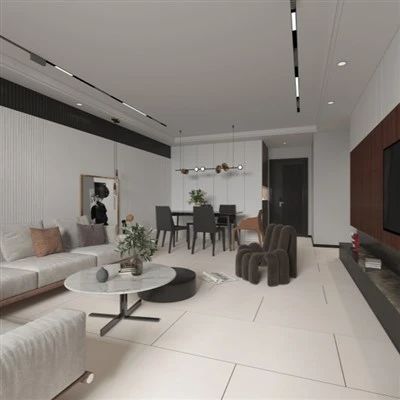
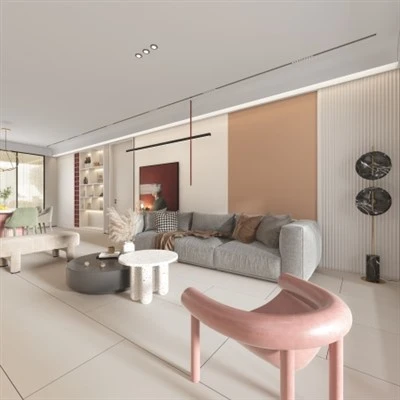
Wood look tiles have become an important flooring option for residential developments, hotels, apartments, retail spaces, and other interior projects. They combine the natural appearance of wood with the practical properties of ceramic and porcelain materials. For importers, distributors, contractors, and building material wholesalers, understanding their designs, technical characteristics, and purchasing requirements helps support more effective product selection.
For tile manufacturers and international buyers, the growing interest in wood-effect surfaces also highlights the importance of consistent appearance, reliable specifications, and suitable product ranges. Selecting the right wood look tiles requires more than comparing colors and patterns; it involves evaluating application requirements, installation conditions, and long-term maintenance.
1. What Are Wood Look Tiles?
Wood look tiles are ceramic or porcelain tiles designed to reproduce the visual characteristics of natural timber. Through digital printing, surface texturing, and different finishing techniques, manufacturers can create tile surfaces that resemble oak, walnut, ash, weathered wood, and other timber styles.
Unlike natural wood flooring, porcelain wood-effect tiles do not require the same protective treatments against moisture and are generally easier to clean. Their low water absorption, particularly in porcelain products, makes them suitable for a wider range of interior applications, depending on the product's technical specifications.
Wood-effect designs are available in various colors, textures, formats, and surface finishes. Light beige and pale oak tones suit bright, minimalist interiors, while medium brown and dark walnut patterns create a warmer appearance. Grey wood-effect surfaces are often selected for contemporary commercial spaces and projects with neutral color schemes.
For B2B buyers, understanding these variations helps build a product assortment that serves different markets without relying on a single color or design.
2. Why Wood Look Tiles Are Used in Construction Projects
One major advantage of wood look porcelain tiles is their combination of decorative appeal and practical performance. Natural wood can be affected by moisture, temperature changes, scratches, and routine wear. Porcelain tiles offer an alternative for projects where the appearance of timber is desired but the maintenance requirements of natural wood are less suitable.
In residential developments, wood-effect tiles are commonly considered for living rooms, bedrooms, kitchens, hallways, and selected bathroom areas. In commercial environments, they may be used in hotel rooms, office interiors, restaurants, retail stores, and apartment common areas, provided the product meets the requirements of the intended application.
Durability is another important consideration. Properly manufactured and installed porcelain tiles can withstand regular foot traffic and routine cleaning. Their suitability for a particular project depends on factors such as the tile's technical performance, surface finish, installation quality, and expected traffic conditions.
For developers and contractors managing multiple properties, these characteristics can help simplify flooring specifications across different rooms or building types. However, product selection should always be based on documented performance rather than appearance alone.
3. Choosing the Right Tile Size and Format
Tile dimensions influence both the visual effect and the installation process. Wood-effect tiles are often produced in elongated rectangular formats that resemble traditional timber planks. Common market formats include approximately 150 × 900 mm, 200 × 1000 mm, and 200 × 1200 mm, although availability varies by manufacturer and product range.
Longer formats can create a more continuous flooring appearance, particularly when installed in a suitable staggered pattern. Smaller formats may offer greater flexibility in certain layouts and renovation projects.
When comparing wood look tiles wholesale options, buyers should consider whether the selected dimensions match local market preferences and installation practices. Format selection also affects carton packing, pallet configuration, shipping volume, and material planning.
For large developments, consistent sizing and dimensional accuracy are important because they influence joint alignment and installation efficiency. Buyers should request technical specifications and confirm the actual dimensions, thickness, and recommended joint width before placing bulk orders.
It is also useful to review the number of different surface patterns within a product series. A wider range of patterns can reduce the repetitive appearance that sometimes occurs when printed designs are installed across a large floor area.
4. Surface Finishes and Wood Grain Design
Surface finish plays an important role in the appearance and practical use of wood-effect tiles. Matte finishes are widely considered for interiors that aim to reproduce the understated appearance of natural timber. They generally create a softer visual effect than highly polished surfaces.
Textured finishes can add depth to the grain pattern and help the surface feel more similar to wood. However, the level of texture should be evaluated alongside cleaning requirements, slip performance, and the intended application.
Digital printing allows manufacturers to reproduce different grain patterns, knots, color variations, and weathered effects. These design details influence whether a product appears suitable for a modern apartment, a hospitality project, or a more traditional interior.
For importers and distributors, it is useful to compare samples under consistent lighting conditions. Product images may not fully represent the actual shade, texture, or degree of pattern variation. Physical samples provide a better basis for evaluating color consistency and surface quality before confirming a purchase.
Manufacturers should also communicate whether a series has multiple faces, meaning different printed patterns within the same design. This information helps buyers and installers plan the layout and achieve a more natural-looking result.
5. How to Select Wood Look Tiles for Different Applications
Different spaces require different combinations of appearance and technical performance. A product suitable for a bedroom may not automatically meet the requirements of a commercial entrance or wet-area floor.
Residential interiors: Bedrooms, living rooms, and hallways often use beige, light brown, oak, or natural wood tones. Buyers should consider the relationship between tile color, furniture, wall finishes, and the overall interior design.
Kitchens: Kitchen flooring needs to accommodate routine cleaning, food spills, and frequent movement. Porcelain wood-effect tiles can be a practical option, but the selected surface should be suitable for the expected conditions and cleaning methods.
Bathrooms: Moisture resistance is important, especially in areas exposed to water. Buyers should verify water absorption, slip resistance, and suitability for wet-area installation. A wood-look appearance alone does not establish that a tile is appropriate for a shower floor.
Hotels and serviced apartments: These projects often require coordinated designs across numerous rooms. Consistent specifications, repeatable product supply, and appropriate surface performance can be important when selecting flooring for multiple units.
Retail and office spaces: Commercial projects should consider expected foot traffic, maintenance routines, and local building requirements. The required abrasion resistance and slip performance depend on the location and use of the floor.
Matching product characteristics to the application helps reduce specification errors and supports more predictable project outcomes.
6. Quality Factors Buyers Should Check Before Bulk Purchasing
For distributors, importers, and construction companies, evaluating a wood look tile manufacturer involves reviewing both product quality and supply requirements.
Dimensional accuracy is one important factor. Variations in size, thickness, or squareness can affect installation and the finished appearance. Buyers should review the manufacturer's quality-control procedures and request relevant technical data.
Surface quality should also be assessed. Visible printing defects, inconsistent textures, glaze problems, or unwanted color differences may affect the final installation. Samples can help establish the expected appearance, but larger orders should also be subject to appropriate production inspection and agreed acceptance criteria.
Technical documentation is equally important. Depending on the target market and intended application, buyers may need information on water absorption, breaking strength, abrasion resistance, slip resistance, chemical resistance, and dimensional tolerances. Applicable test methods and certification requirements differ by market, so documentation should be checked against the relevant regulations and project specifications.
Packaging is another consideration for international orders. Cartons should provide suitable protection, while palletization and loading arrangements should account for the product's weight, dimensions, and transport conditions. Buyers should confirm packaging details, quantities per carton, cartons per pallet, and shipping arrangements before shipment.
A clear quality agreement covering product specifications, acceptable variation, inspection procedures, and packaging requirements can help prevent misunderstandings between suppliers and overseas buyers.
7. Finding a Suitable Wood Look Tile Supplier in China
China is an established source of ceramic and porcelain tiles for international markets. When evaluating a wood look tile supplier in China, buyers should consider the supplier's product range, manufacturing arrangements, export experience, communication, and ability to provide consistent specifications.
A useful first step is to confirm the available product formats, surface finishes, colors, and technical characteristics. Importers should also establish whether the supplier can provide the quantities required for regular distribution or specific construction projects.
Production lead time and inventory status need to be clarified before an order is confirmed. Stock products may be available for earlier shipment, while made-to-order products generally require additional production time. The actual schedule depends on product availability, order volume, and manufacturing arrangements.
Buyers should also confirm the commercial details, including minimum order quantity, payment terms, packaging standards, loading plans, and the documents required for customs clearance in the destination market.
For repeat orders, maintaining consistent product codes and approved reference samples can make purchasing easier. Where color or appearance consistency is important, buyers should discuss batch management and the procedures used to verify products before shipment.
A reliable supplier relationship depends on clear specifications, realistic lead times, transparent communication, and effective handling of quality issues. These factors are especially relevant to distributors and importers who need to maintain stable product offerings for their own customers.
8. Packaging, Shipping, and Order Planning
Because tiles are heavy and fragile during transport, international purchasing requires careful logistics planning. Before placing a bulk order, buyers should calculate the required quantity based on the project area, installation layout, and an appropriate allowance for cutting and breakage.
Carton specifications should be reviewed to determine the total number of boxes, gross weight, and shipment volume. These details help importers compare freight quotations and plan warehouse capacity.
For container shipments, loading arrangements should protect cartons against movement and damage. Buyers should confirm pallet requirements, carton labeling, container loading methods, and any destination-market packaging requirements in advance.
Lead times should account for more than manufacturing alone. Sample approval, production scheduling, quality inspection, packaging, container booking, and international transportation can all affect the final delivery date.
For distributors maintaining regular stock, purchase planning should reflect sales demand and replenishment time. For project-based orders, the supplier's production schedule should be coordinated with the construction timetable to reduce the risk of material shortages.
Clear communication between the buyer, manufacturer, freight forwarder, and receiving party helps make the shipment process more manageable.
9. Market Considerations for Wood Look Tiles
Demand for wood-effect tile designs is influenced by interior design preferences, local construction activity, and the practical requirements of different building types. Some markets favor light oak and beige tones, while others show stronger interest in darker brown, grey, or weathered timber effects.
For wholesalers and distributors, offering a balanced selection of colors and formats can help serve different customer groups. However, expanding a product range should be based on local demand, sales feedback, and purchasing patterns rather than design trends alone.
It is also important to distinguish between residential and commercial requirements. A decorative product selected for a private home may not satisfy the technical requirements of a busy public building. Providing accurate product descriptions and technical information helps downstream customers make appropriate selections.
For manufacturers, understanding these differences supports more effective product development and communication with international buyers. Clear descriptions of material type, finish, dimensions, application suitability, and packaging specifications are more useful to professional purchasers than broad promotional claims.
Conclusion
Wood look tiles provide an alternative to natural timber for projects that require a wood-inspired appearance alongside the practical characteristics of ceramic or porcelain materials. Their suitability depends on the selected design, dimensions, surface finish, technical performance, and installation conditions.
For overseas importers, distributors, contractors, and developers, successful purchasing involves evaluating product quality, confirming specifications, reviewing packaging arrangements, and coordinating delivery schedules. Working with a supplier that communicates these details clearly can support more consistent procurement for both individual projects and ongoing distribution.
For a Zibo-based tile manufacturer serving export markets, providing clear product specifications, varied wood-grain designs, reliable packaging information, and responsive order communication helps overseas B2B buyers assess products according to their actual market and project requirements.

China Ceramic Tile Manufacturer
Golden State Ceramics has been deeply rooted in the ceramic industry for nearly two decades, collaborating with clients from over 50 countries to provide tailored ceramic tile solutions for diverse regional markets. In recent years, we have remained committed to staying ahead of market trends, developing more competitive products to meet the evolving needs of our global clientele.