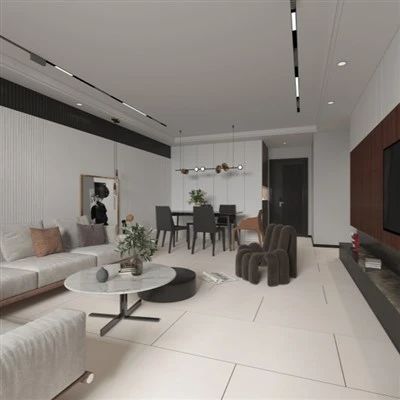
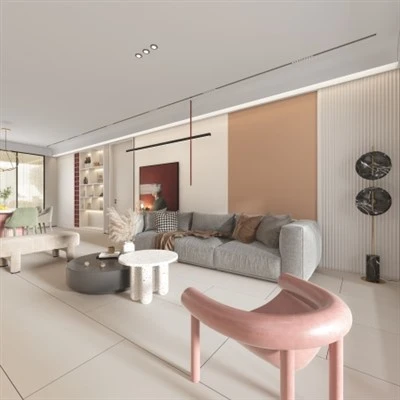
Understanding Floor Tiles in Today's Tile Market
Floor tiles remain an important material choice for residential, commercial, and public building projects. For importers, distributors, contractors, and project developers, selecting suitable floor tiles involves more than appearance. Surface performance, dimensional consistency, installation requirements, and supply stability all influence purchasing decisions.
As construction projects become more diverse, buyers are looking for tile products that combine practical performance with adaptable designs. Ceramic and porcelain floor tiles are available in a wide range of colors, sizes, textures, and finishes, making them suitable for different interior styles and project requirements.
For international buyers sourcing from China, understanding these product characteristics helps simplify supplier evaluation and product selection. A clear purchasing plan also helps reduce unnecessary sampling, installation adjustments, and inventory pressure.
1. Main Types of Floor Tiles
Different tile materials offer different performance characteristics. Understanding these differences is an important first step when building a product range or preparing a project specification.
Ceramic floor tiles are commonly used in residential interiors and selected light-commercial environments. They offer a broad choice of colors, patterns, and surface finishes. Their suitability depends on the intended application, technical specifications, and expected level of use.
Porcelain floor tiles are produced using carefully controlled raw materials and firing processes. They generally have low water absorption, making them suitable for many areas where moisture resistance is important. Depending on their technical properties and surface treatment, they can be specified for bathrooms, kitchens, living areas, retail spaces, and other applications.
Wood-look floor tiles reproduce the appearance of natural timber through printed grain patterns, color variations, and different surface textures. They provide a wood-inspired design while offering the practical characteristics of ceramic or porcelain materials. These products are frequently considered for residential developments, hotels, apartments, and hospitality projects.
Marble-look floor tiles feature patterns inspired by natural marble, including soft veins, contrasting lines, and varied background colors. They allow designers to create stone-inspired interiors with a more consistent manufactured surface pattern than natural stone. Product appearance varies according to the design, finish, and production specifications.
Other options include concrete-look, stone-look, terrazzo-look, and solid-color tiles. For distributors, these categories can support different customer groups without requiring an entirely separate product range for every interior style.
2. Choosing the Right Size and Format
Tile size influences the visual effect of a space, installation planning, packaging, and transportation. Buyers should therefore evaluate dimensions alongside appearance and technical performance.
Small-format tiles can be useful in compact spaces, detailed layouts, and areas requiring more frequent grout lines. Medium-sized tiles offer flexibility for many residential projects and are often easier to incorporate into established installation practices.
Large-format floor tiles are widely considered for modern interiors because fewer grout lines can create a more continuous visual surface. They may be specified for living rooms, hotel lobbies, retail environments, and other spaces where a clean appearance is required. However, large tiles can require more careful substrate preparation, handling, cutting, and installation.
For wholesale purchasing, buyers should confirm the available sizes, actual dimensions, thickness, dimensional tolerances, and recommended installation methods before placing an order. These details help determine whether a product is appropriate for a particular project.
Consistency between batches is also important. When additional tiles may be required later, buyers should clarify production arrangements and the possibility of obtaining matching products from a subsequent order.
3. Surface Finishes and Their Applications
Surface finish affects the appearance, cleaning requirements, and functional suitability of floor tiles. Three common options are polished, matte, and textured finishes.
Polished floor tiles have a smooth, reflective surface that can make interiors appear brighter. They are frequently selected for living areas, hotel interiors, and commercial spaces where a refined appearance is desired. Buyers should assess scratch visibility, maintenance requirements, and slip performance under the intended conditions.
Matte floor tiles offer a less reflective appearance and can complement contemporary, minimalist, and natural interior designs. They are available in neutral colors, stone-inspired patterns, concrete effects, and other styles. Their cleaning characteristics depend on surface structure, so sample testing can be useful when selecting products for busy environments.
Textured floor tiles provide a more pronounced surface structure and are often considered for entrances, selected wet areas, outdoor applications, and spaces where additional slip resistance may be required. However, texture alone does not establish slip performance. Buyers should request relevant test results and confirm suitability for the intended environment.
The same finish may perform differently depending on the surrounding conditions. Water, cleaning products, footwear, slope, and maintenance practices can all affect floor safety. Specifications should therefore be based on the actual application rather than appearance alone.
4. Design Trends and Commercial Demand
Neutral colors remain useful across many architectural styles because they are relatively easy to coordinate with furniture, wall finishes, lighting, and other construction materials.
Grey, beige, white, and warm earth tones are frequently incorporated into contemporary tile collections. These colors can support residential developments, apartments, hotels, offices, and retail interiors without restricting designers to a single decorative style.
Natural-material effects also continue to provide useful options for project planning. Wood-look tiles can introduce visual warmth, while marble-look and stone-look products can create a more formal or natural atmosphere. Concrete-inspired surfaces are another option for industrial, minimalist, and contemporary commercial interiors.
For distributors and importers, a balanced selection is often more practical than an excessively broad catalog. A collection covering several established colors, surface finishes, and commonly requested sizes can serve different customer requirements while helping manage stock.
Before expanding a product range, buyers should review local preferences, competing products, project specifications, and the needs of existing customers. Regional differences matter: a finish or size that performs well in one market may have limited demand in another.
5. Technical Factors Buyers Should Check
Appearance is important, but technical documentation is essential when evaluating floor tiles for commercial supply or construction projects.
Water absorption is particularly relevant when comparing ceramic and porcelain products. Buyers should obtain the manufacturer's declared values and applicable test reports rather than relying only on product descriptions.
Abrasion resistance, breaking strength, dimensional accuracy, surface quality, and slip resistance may also be relevant, depending on the intended application. Requirements vary according to product type, installation environment, and local building standards.
For projects involving outdoor installation, additional considerations may include weather exposure, thermal variation, drainage, and resistance to relevant environmental conditions. Not every interior tile is suitable for exterior use.
Buyers should also distinguish between visual consistency and technical consistency. Two tiles may look similar in a photograph while differing in thickness, surface treatment, or performance. Samples and product specifications provide a more reliable basis for comparison.
When evaluating a new supplier, it is useful to request product data sheets, available test reports, sample tiles, and information about the standards followed during production. These materials can support internal approval and communication with contractors or project consultants.
6. Sourcing Floor Tiles from China
China is an established source of ceramic and porcelain tile products for international markets. Buyers sourcing from Chinese manufacturers can explore different designs, formats, and product specifications within a single purchasing program.
However, supplier evaluation should consider more than the quoted unit price. Production capability, quality control, packaging, order coordination, and export experience all influence the overall purchasing process.
For importers and wholesalers, product range and repeat-order consistency are important. A supplier should be able to explain which sizes and finishes are available, whether products are produced to order, and how batch identification and quality checks are managed.
Buyers should also confirm minimum order quantities, production lead times, sample availability, and the process for handling quality concerns. These details help distributors plan inventory and allow project buyers to coordinate tile deliveries with construction schedules.
Packaging deserves particular attention during international transportation. Tiles are heavy and vulnerable to edge damage if they are not adequately protected. Export packaging should be appropriate for the product format, shipment method, handling conditions, and destination requirements.
Before confirming a shipment, buyers should review carton information, pallet arrangements where applicable, loading plans, and the documents required for customs clearance. Accurate communication at this stage can help reduce avoidable delays and handling problems.
7. Quality Control and Order Management
Quality control should begin before mass production rather than only after the goods are ready to ship.
An approved sample provides a useful reference for color, pattern, surface finish, and general appearance. Buyers should establish which characteristics are critical to the order and clarify acceptable variation where relevant.
During production, manufacturers may conduct checks on dimensions, surface defects, shade variation, and other specified characteristics. The inspection scope should reflect the product requirements and the buyer's quality standards.
For large projects, coordinating production batches can help maintain a more consistent appearance across connected areas. Buyers should confirm quantities carefully and consider reasonable allowances for cutting, installation waste, and future maintenance needs.
Order documentation should clearly identify product codes, sizes, finishes, quantities, packaging details, and any agreed technical requirements. This information helps keep communication consistent among the buyer, manufacturer, logistics provider, and installation team.
For repeat orders, retaining product specifications and batch records can make future purchasing more straightforward. It also helps buyers identify whether a replacement order can match the original selection.
8. Installation and Long-Term Maintenance
Even well-manufactured tiles require correct installation to achieve the intended result. Substrate preparation, adhesive selection, joint spacing, cutting methods, and curing procedures should follow the relevant installation guidance and local requirements.
Large-format tiles may require specialized handling and careful control of substrate flatness. In wet areas, waterproofing and drainage should be addressed as part of the complete installation system rather than relying on the tile surface alone.
Maintenance requirements also vary by finish and surface structure. Routine cleaning with suitable products can help preserve the appearance of the floor. Abrasive tools and incompatible chemicals should be avoided when they may damage the surface or affect its finish.
For commercial environments, buyers should consider cleaning frequency and expected traffic before selecting a product. A surface that is attractive in a sample display may require a different maintenance routine when installed across a large public area.
Providing installation and care guidance alongside product specifications can help distributors support their customers after delivery.
Conclusion
Selecting suitable floor tiles requires a balance of design, technical performance, installation conditions, and supply planning. For overseas distributors, importers, contractors, and developers, understanding these factors can support more accurate product selection and reduce avoidable purchasing risks.
When sourcing from China, buyers should evaluate manufacturers through product samples, technical documentation, quality-control procedures, packaging arrangements, and clear order communication. These checks provide a practical foundation for comparing suppliers and planning repeat purchases.
For Zibo tile manufacturers serving export markets, consistent product information and reliable production coordination are important parts of meeting international buyer requirements. A well-organized tile range, supported by clear specifications and appropriate quality checks, can help buyers select products for different residential and commercial projects with greater confidence.

China Ceramic Tile Manufacturer
Golden State Ceramics has been deeply rooted in the ceramic industry for nearly two decades, collaborating with clients from over 50 countries to provide tailored ceramic tile solutions for diverse regional markets. In recent years, we have remained committed to staying ahead of market trends, developing more competitive products to meet the evolving needs of our global clientele.