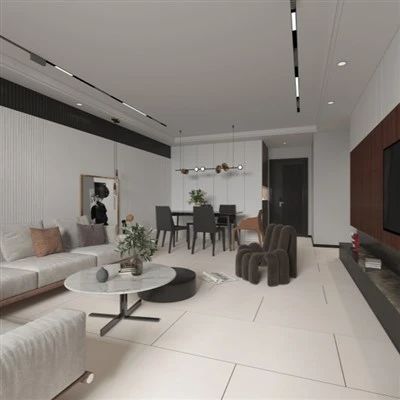
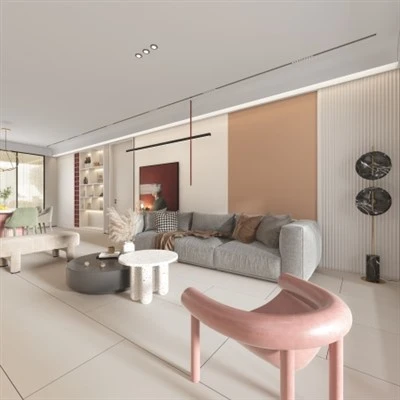
Wood-look tiles have become an important flooring option for residential and commercial projects that require the natural appearance of wood with the practical benefits of ceramic or porcelain materials. For tile importers, distributors, contractors, and project developers, understanding the differences in surface finishes, sizes, technical properties, and supply requirements helps improve product selection and purchasing decisions. As a major tile manufacturing area in China, Zibo provides access to a wide range of tile products for international markets, including wood look tiles designed for different applications and project specifications.
1. What Are Wood Look Tiles?
Wood look tiles are ceramic or porcelain tiles designed to reproduce the appearance of natural timber. Through digital printing, surface texturing, and controlled glazing techniques, manufacturers can create patterns that resemble oak, walnut, ash, and other wood species. Variations in color, grain, knots, and texture help create a realistic wood-inspired finish without using natural timber as the primary flooring material.
Unlike traditional wood flooring, porcelain and ceramic tiles do not require wood-specific treatments to protect against moisture, insects, or changes in humidity. Their performance depends on the tile body, water absorption, surface finish, installation quality, and intended application.
For B2B buyers, the distinction between ceramic wood-look tiles and porcelain wood-look tiles is particularly important. Porcelain tiles generally have lower water absorption and are often selected for areas exposed to moisture or heavy use. Ceramic options can also serve specific wall and floor applications, depending on their technical specifications.
When evaluating products from a wood look tile manufacturer, buyers should review the material composition, dimensions, surface treatment, and relevant test results rather than relying on appearance alone.
2. Why Wood Look Tiles Are Used in Commercial Projects
The demand for wood-inspired interiors extends across hotels, apartments, retail spaces, restaurants, offices, and residential developments. These projects often require a consistent design style across multiple rooms while maintaining manageable cleaning and maintenance requirements.
Wood-look tiles provide several practical advantages for these applications.
First, they offer a timber-inspired appearance without the same maintenance requirements as many natural wood floors. Routine cleaning generally involves sweeping or vacuuming and damp mopping with a suitable cleaning product. This can be useful in commercial environments where floors are cleaned frequently.
Second, porcelain wood-look tiles can be suitable for areas where moisture resistance is an important consideration. Bathrooms, kitchens, hotel entrances, and selected commercial interiors may benefit from porcelain surfaces with appropriate technical ratings and installation systems.
Third, tile products are available in a range of colors, plank sizes, and surface finishes. This allows architects and developers to coordinate flooring with furniture, wall finishes, and other interior materials.
For distributors, a consistent product range can also simplify product presentation and inventory planning. Offering several related colors or finishes within one collection makes it easier to serve customers working on different interior design schemes.
However, wood-look tiles should not be treated as identical to natural timber in every respect. They feel different underfoot, and their thermal and acoustic properties differ from those of wood. These characteristics should be considered during project specification.
3. Choosing Colors and Wood Grain Patterns
Color selection is one of the most important factors when specifying wood look tiles. Different shades can influence the visual balance of a room and determine how easily a product fits into different design styles.
Light beige, pale oak, and natural wood tones are commonly considered for contemporary residential interiors, apartments, and hospitality projects. Their relatively neutral appearance makes them easier to coordinate with white walls, warm lighting, and minimalist furniture.
Medium brown and honey-colored designs can create a warmer visual effect. These options may suit hotel rooms, restaurants, residential living areas, and commercial spaces that use natural-looking materials.
Dark brown, walnut-inspired, and smoked wood finishes offer a stronger visual contrast. They may be appropriate for selected hospitality interiors, offices, and retail environments, although lighting conditions and room size should be considered before choosing darker surfaces.
Gray wood-look tiles can complement modern interiors with concrete, metal, or neutral-colored finishes. Beige-gray and greige options provide a softer alternative for projects that require a restrained color palette.
Pattern variation is another important consideration. Repeating the same printed grain too frequently can make a tiled floor look artificial, particularly across large open areas. Buyers should therefore review the number of distinct face designs available in a collection and request representative samples when evaluating a new product.
For large developments, coordinating color, grain variation, and surface finish across the entire order can help maintain a consistent design outcome.
4. Tile Sizes and Installation Layouts
The dimensions of wood-look tiles influence both appearance and installation planning. Long rectangular planks are widely used because their proportions resemble traditional timber boards.
Common formats include 150 × 900 mm, 200 × 1000 mm, and 200 × 1200 mm, although actual availability varies by manufacturer and collection. Other dimensions may be available for specific product lines or market requirements.
Long plank formats can create a continuous visual direction through living rooms, corridors, hotel rooms, and retail interiors. Narrower planks may produce a more traditional flooring effect, while wider formats can give a space a more contemporary appearance.
Installation patterns also affect the finished result. Straight-lay layouts emphasize clean lines and are relatively straightforward to plan. Staggered layouts can create a more natural wood-floor appearance, while herringbone patterns provide a distinctive decorative effect when the product dimensions and installation requirements permit.
The installation method should match the tile's size, flatness, and technical characteristics. Long tiles require particular attention to substrate preparation and lippage control. Installers should follow the manufacturer's recommendations for joint width, adhesive selection, and permissible offset. A large staggered offset should not be assumed suitable for every plank tile.
For B2B buyers, confirming the dimensions before ordering is essential. Tile thickness, carton quantity, coverage per carton, and pallet configuration affect shipping calculations, warehouse planning, and installation estimates.
5. Surface Finishes and Technical Performance
The surface finish of a tile affects its appearance, cleaning requirements, and suitability for different environments.
Matte wood-look tiles provide a relatively understated appearance and are often specified for contemporary interiors. Their visual effect can resemble unfinished or naturally textured timber, depending on the design and surface treatment.
Textured finishes can add depth to the printed grain and create a closer visual connection with natural wood. However, the degree of texture may influence cleaning, so buyers should assess the surface against the expected maintenance conditions.
Glazed finishes allow manufacturers to reproduce detailed wood patterns and offer a range of colors and appearances. Their performance depends on the glaze, tile body, and product specifications.
For floor applications, slip resistance should be evaluated using the relevant test method and requirements of the destination market. A matte or textured appearance alone does not establish that a tile is suitable for wet or commercial areas. Bathrooms, pool surrounds, entrances, and other potentially wet environments may require products with specific slip-resistance characteristics.
Buyers should also review water absorption, breaking strength, abrasion resistance where applicable, dimensional tolerances, and relevant product standards. Requirements vary by application, so the technical documentation should correspond to the intended installation rather than relying on a general product description.
6. Ceramic or Porcelain Wood Look Tiles?
Choosing between ceramic and porcelain products depends on project conditions, technical requirements, and budget.
Ceramic wood-look tiles may be suitable for selected indoor applications where the product's performance meets the project specification. They can provide the desired wood-inspired appearance in a range of decorative styles.
Porcelain wood-look tiles are often considered for projects requiring low water absorption and durable hard surfaces. They are frequently specified for residential flooring, hospitality developments, and selected commercial environments, subject to the product's tested performance and installation requirements.
For importers and distributors, the decision should also consider the target market. Some customers prioritize price and standard dimensions, while others require specific finishes, technical documentation, or coordinated product collections.
Comparing the actual specifications of shortlisted products is more useful than assuming that every porcelain tile will outperform every ceramic tile in all conditions. Application, surface treatment, testing, and installation all influence the final result.
7. What B2B Buyers Should Check Before Ordering
Sourcing from a reliable wood look tile supplier involves more than selecting a color from a product catalog. Importers and project buyers should establish the commercial and technical requirements before confirming an order.
Product specifications: Confirm the tile material, dimensions, thickness, finish, water absorption, and applicable performance ratings. Request technical data sheets and test reports where required.
Color consistency: Ask how production batches are managed and whether samples can be approved before mass production. For large projects, discuss how repeat orders will be coordinated to reduce avoidable differences.
Available quantities: Confirm the minimum order quantity, production capacity, and availability of the selected design. Stock items and made-to-order products may have different lead times.
Packaging: Review the carton specifications, protective materials, labeling, pallet arrangement, and loading plan. Suitable packaging helps reduce the risk of damage during international transportation.
Export documentation: Confirm the commercial invoice, packing list, shipping arrangements, and any product documents required by the destination country. Buyers should also establish the applicable trade terms and responsibility for transportation costs.
Communication and after-sales support: Clear communication is important when handling samples, production schedules, quality questions, and shipping arrangements. Buyers should establish how product issues will be documented and addressed before placing an order.
For distributors managing several product categories, these checks help create a more predictable purchasing process and reduce uncertainty when planning inventory.
8. Working with a Wood Look Tile Manufacturer in China
China is an established source of ceramic and porcelain tiles for international construction and interior design markets. Buyers sourcing from a wood look tile manufacturer in China can compare product collections, factory capabilities, specifications, packaging arrangements, and export experience according to their business needs.
Zibo, Shandong Province, is one of China's recognized ceramic production areas. For overseas importers, working with a manufacturer in this region can provide access to a range of tile designs and formats for residential and commercial applications.
Before establishing a long-term supply relationship, buyers should evaluate the manufacturer's actual production arrangements, quality-control procedures, sample approval process, and ability to maintain product specifications across orders. Factory information, product documentation, and clear communication are useful starting points, but each supplier should be assessed individually.
It is also important to distinguish between products available from existing inventory and products that require production. Stock orders may be ready for shipment sooner, while made-to-order products need additional time for manufacturing, inspection, packing, and transport preparation. Buyers should confirm the schedule for each order rather than relying on a general lead-time estimate.
For large-volume purchases, an agreed specification sheet can record product dimensions, finish, color reference, packaging requirements, and inspection criteria. This provides a shared reference for both the buyer and supplier throughout the order process.
9. Applications Across Residential and Commercial Spaces
Wood-look tiles can be specified in many interior environments, provided the selected product meets the relevant technical requirements.
In residential projects, they are used in living rooms, bedrooms, kitchens, and selected bathrooms. Their wood-inspired appearance allows designers to maintain a consistent material theme across different spaces without using natural timber throughout the property.
In hotels and serviced apartments, porcelain wood-look tiles may be considered for guest rooms, corridors, and shared interiors where routine cleaning and coordinated design are important. Product selection should account for traffic levels, maintenance practices, and local building requirements.
Restaurants, retail stores, and offices may use wood-look flooring to create a warmer appearance than conventional stone-effect or concrete-effect surfaces. In these settings, the tile's abrasion performance, slip resistance, and cleaning characteristics should be matched to actual operating conditions.
For multi-unit residential developments, standardized product specifications can help simplify procurement across multiple rooms or buildings. The chosen size, color, finish, and installation pattern should be confirmed early enough to coordinate material orders with construction schedules.
10. Conclusion
Wood look tiles combine timber-inspired design with the practical characteristics of ceramic and porcelain materials. Their range of colors, plank formats, and surface finishes makes them relevant to residential developments, hospitality projects, commercial interiors, and wholesale distribution.
For overseas B2B buyers, selecting the right product requires attention to more than visual appearance. Material type, technical performance, dimensions, batch consistency, packaging, production lead time, and export arrangements all contribute to a successful purchasing decision.
By comparing product specifications and confirming project requirements before ordering, importers, distributors, architects, and developers can identify suitable wood-look tile solutions for their markets. For buyers sourcing from China, evaluating the capabilities and documentation of a qualified manufacturer provides a practical foundation for long-term supply cooperation.

China Ceramic Tile Manufacturer
Golden State Ceramics has been deeply rooted in the ceramic industry for nearly two decades, collaborating with clients from over 50 countries to provide tailored ceramic tile solutions for diverse regional markets. In recent years, we have remained committed to staying ahead of market trends, developing more competitive products to meet the evolving needs of our global clientele.