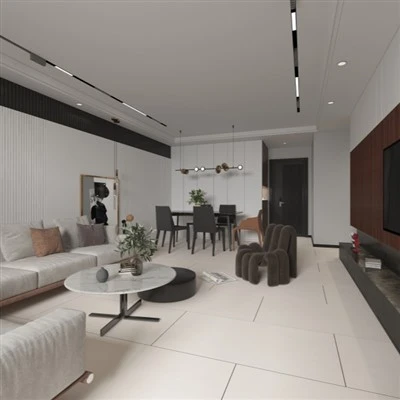
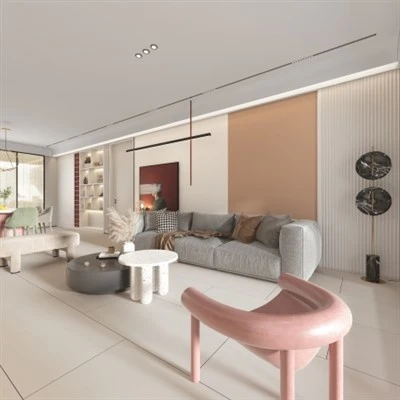
Wood look tiles have become an important product category in the global ceramic tile market. Combining the natural appearance of wood with the durability of porcelain and ceramic materials, these tiles are widely used in residential, commercial, hospitality, and renovation projects. For importers, distributors, wholesalers, developers, and project buyers, wood-look products offer a practical solution for markets that require attractive flooring materials with stable performance and easier maintenance.
As a ceramic tile manufacturer in Zibo, China, we work with overseas customers who have different requirements for size, color, surface finish, packaging, and order quantities. Understanding how to select and source wood look tiles is important for B2B buyers who want to build a competitive and reliable product range.
Why Wood Look Tiles Continue to Grow in B2B Markets
Natural wood flooring has long been popular because of its warm appearance and natural texture. However, real wood can be affected by moisture, temperature changes, scratches, and daily wear. It may also require regular maintenance, especially in commercial environments or humid areas.
Wood look tiles provide an alternative by reproducing wood grain patterns on a ceramic or porcelain body. Modern production technology allows manufacturers to create detailed grain variations, natural color transitions, and textured surfaces that are visually closer to natural timber.
For B2B buyers, the value of wood look tiles is not limited to appearance. The product can meet the needs of multiple applications while offering relatively stable quality and easier maintenance. This makes it suitable for distributors building a broad flooring collection and for project buyers looking for materials that can be used in different spaces.
The category is especially suitable for customers looking for:
Durable flooring products
Wood-inspired designs
Low-maintenance surfaces
Moisture-resistant flooring options
Multiple size and color choices
Residential and commercial applications
Products suitable for export and bulk purchasing
Because of these advantages, wood-look porcelain and ceramic tiles have become an established category rather than a short-term design trend.
Understanding Different Types of Wood Look Tiles
Before purchasing, overseas buyers should understand that wood-look tiles are available in different materials, sizes, finishes, and production specifications.
Porcelain Wood Look Tiles
Porcelain wood-look tiles are commonly selected for projects requiring good durability and low water absorption. They can be used for floors and walls and are suitable for many residential and commercial environments.
For importers and distributors, porcelain products can provide a broader range of applications. They are often available in plank-shaped formats that reproduce the proportions of traditional wood flooring.
Ceramic Wood Look Tiles
Ceramic wood-look tiles can also be suitable for selected wall and floor applications, depending on the product specification. Buyers should confirm the intended application before placing an order.
For suppliers and distributors, ceramic options may help create a more complete product range with different price levels and market positions.
Wood Grain Porcelain Tiles
Wood grain porcelain tiles focus on realistic surface patterns. The design may include oak, walnut, maple, ash, and other wood-inspired styles. Some products use digital printing to create more natural variations between individual tiles.
For B2B customers, pattern variation is an important consideration. Products with repetitive designs may appear less natural after installation. A suitable design combination can help create a more realistic flooring effect for larger projects.
Choosing the Right Size for Different Markets
Size is one of the most important factors when sourcing wood-look tiles. Different markets and customer groups may prefer different formats.
Traditional wood-look tile sizes often follow a plank-style design. Common formats include narrow and long rectangular tiles that visually resemble wooden boards. Longer sizes can create a more modern appearance and are frequently used in residential interiors, hotels, and commercial projects.
When selecting sizes, buyers should consider local installation preferences, transportation costs, project requirements, and customer demand.
Smaller or medium-sized formats can be easier to handle and install. Larger plank tiles may provide a stronger visual effect but require more attention to flatness, packaging, and transportation.
For distributors, offering several sizes can help serve different customer segments. However, it is also important not to create too many slow-moving specifications. A focused product range based on local market demand is often more practical for inventory management.
Surface Finish Makes a Difference
The surface finish directly affects both the appearance and application of wood-look products.
Matte surfaces are widely used because they create a natural wood-inspired appearance. Compared with highly polished surfaces, a matte finish can better reproduce the visual character of timber.
Structured and textured surfaces are also increasingly important. A slightly raised texture can add depth to the wood grain and improve the tactile feeling of the tile.
For certain applications, buyers may also consider anti-slip performance. This is especially relevant for bathrooms, kitchens, balconies, commercial areas, and other spaces where moisture may be present.
When sourcing wood look tiles, B2B buyers should not evaluate the product based only on photographs. Surface texture, finish consistency, slip resistance, and overall production quality should also be considered.
Color Selection for Overseas Markets
Color plays an important role in product selection. Wood-look tiles are available in a wide range of tones, from light natural colors to deep brown and dark gray designs.
Light wood-look tiles can create a bright and clean interior environment. Beige, light oak, cream, and natural wood tones are commonly suitable for modern residential projects.
Gray wood-look tiles provide a more contemporary appearance and can work well with modern architectural styles. They are often combined with concrete-look, stone-look, or neutral interior designs.
Brown and dark wood-look tiles can create a warmer and more traditional atmosphere. These colors may be suitable for hotels, villas, restaurants, and premium residential projects.
For importers and distributors, it is important to build a balanced color collection. Instead of selecting too many similar products, buyers can combine light, medium, and dark tones to provide customers with clear choices.
A well-organized collection may include:
Light natural wood
Beige wood grain
Gray wood texture
Medium brown wood
Dark walnut-inspired designs
This type of product structure can make showroom displays and catalog organization more efficient.
Applications of Wood Look Tiles
One major advantage of wood look tiles is their flexibility. Depending on the product specification, they can be used in many types of projects.
Residential Projects
Wood-look tiles are commonly used in living rooms, bedrooms, kitchens, bathrooms, and hallways. They provide a warm visual effect while offering the practical benefits of ceramic or porcelain materials.
For homes in humid regions, porcelain wood-look products can be particularly attractive because they provide a wood-inspired appearance without requiring the same maintenance approach as natural timber flooring.
Commercial Spaces
Retail stores, offices, restaurants, and public spaces often require flooring materials that can handle regular use. Wood-look tiles can provide a decorative flooring solution for these environments.
Project buyers should select products based on the specific performance requirements of each project.
Hotels and Hospitality Projects
Hotels often use wood-inspired materials to create a comfortable and welcoming atmosphere. Wood-look tiles can be used in guest rooms, corridors, public areas, and selected wall applications.
For hospitality projects, consistency between batches and stable supply can be especially important because projects may require repeat orders or additional quantities.
Bathrooms and Kitchens
Wood-inspired designs are increasingly used in bathrooms and kitchens. When combined with suitable technical performance, wood-look porcelain tiles can bring a natural visual element into spaces traditionally dominated by stone or plain ceramic surfaces.
What B2B Buyers Should Check Before Ordering
For overseas importers and wholesalers, product appearance is only one part of the purchasing decision. Several other factors should be reviewed before confirming an order.
Product Consistency
Tiles should maintain stable dimensions, surface quality, color, and pattern appearance. This is particularly important for distributors who need to supply the same product over a longer period.
Buyers can ask manufacturers about batch management and color variation. If repeat orders are expected, product continuity should be discussed before the first purchase.
Technical Specifications
Different projects may require different technical standards. Buyers should confirm the specifications needed for their target market and intended application.
Important points may include water absorption, surface finish, slip resistance, thickness, dimensional tolerance, and recommended installation areas.
A professional supplier should provide clear product information rather than relying only on product images.
Packaging
Export packaging is another important consideration. Tiles must be protected during container loading and international transportation.
B2B buyers should confirm carton strength, pallet requirements, corner protection, labeling, and loading methods according to the destination market and shipping conditions.
For long-distance transportation, suitable packaging can help reduce the risk of product damage.
MOQ and Production Time
Minimum order quantity and production lead time should be discussed at an early stage. Some products may be available from stock, while customized colors, sizes, or surfaces may require production time.
For distributors planning regular purchases, production scheduling is important for inventory management. Buyers should also consider shipping schedules and seasonal demand.
Customization Opportunities
Customization can help importers and brands develop products that better match their local markets.
Depending on manufacturing capabilities and order quantity, customization may include:
Tile size
Color tone
Wood grain design
Surface finish
Thickness
Packaging
Carton design
Private labeling
However, customization should be based on realistic market demand. Developing too many exclusive products may increase inventory pressure and make repeat purchasing more complicated.
For many distributors, a combination of standard products and selected customized designs can be a practical strategy.
Why Work Directly with a Wood Look Tile Manufacturer?
Working directly with a manufacturer can provide B2B buyers with more direct communication during product selection and order preparation.
Buyers can discuss technical requirements, packaging, production schedules, and loading arrangements with the supplier. This can be useful when purchasing containers, supplying projects, or developing a long-term product range.
As a Zibo-based ceramic tile manufacturer focused on export business, we understand that overseas customers often need more than a single product quotation. They may need support with product selection, size combinations, packaging requirements, and container loading plans.
For this reason, communication before production is important. Confirming specifications early can reduce misunderstandings and help both sides prepare orders more efficiently.
How Distributors Can Build a Competitive Wood Look Tile Collection
A successful collection does not necessarily require a large number of products. For many distributors, a focused range with clear differences can be easier to market and manage.
A practical collection can include several popular color groups, different plank sizes, and selected surface finishes. Products should have enough variation to meet different design preferences while avoiding excessive overlap.
For example, distributors can combine natural oak-inspired designs with modern gray and warm brown options. This can serve both contemporary and traditional interior styles.
Sample boards and showroom displays are also important. Because the appearance of wood grain is highly visual, customers often want to see the surface texture and color before making a purchasing decision.
Good product photography can support online marketing, but physical samples remain useful for B2B sales and project discussions.
The Importance of Quality Control
Quality control is particularly important for export orders. Before shipment, manufacturers should check the products according to agreed requirements.
This may include inspections of appearance, dimensions, surface condition, packaging, and quantity.
For project orders, consistency is especially important because tiles from different production batches may be installed in the same area. Buyers should communicate clearly about shade and caliber requirements.
A clear quality control process can help reduce claims and improve long-term cooperation between manufacturers and overseas buyers.
Future Opportunities for Wood Look Tiles
The market for wood-inspired surfaces continues to develop as interior design preferences change. Customers increasingly look for materials that combine natural appearance with practical performance.
Wood-look tiles can meet this demand across different market segments. From apartments and private homes to hotels and commercial projects, the category offers broad application opportunities.
At the same time, B2B buyers are becoming more focused on product differentiation. Standard designs remain important, but surface texture, color development, larger formats, and packaging customization can help suppliers and distributors build stronger product collections.
For manufacturers and buyers, the future of wood look tiles will depend not only on design trends but also on supply stability, product quality, technical performance, and efficient export service.
Conclusion
Wood look tiles offer overseas B2B buyers a practical combination of natural design and ceramic durability. With different colors, sizes, textures, and material options available, the category can serve residential, commercial, hospitality, and project markets.
For importers, distributors, wholesalers, and developers, selecting the right supplier involves more than comparing prices. Product consistency, technical specifications, packaging, production capacity, lead time, and communication should all be considered.
As a ceramic tile manufacturer in Zibo, China, we supply wood-look tile products for international customers and understand the requirements of export-oriented orders. By selecting suitable designs, maintaining stable quality, and planning products according to local market demand, B2B buyers can develop a more practical and competitive wood-look tile range.
For businesses sourcing wood look tiles from China, long-term cooperation with a reliable manufacturer can help simplify product development, purchasing, and export planning while supporting a stable supply for future market growth.

China Ceramic Tile Manufacturer
Golden State Ceramics has been deeply rooted in the ceramic industry for nearly two decades, collaborating with clients from over 50 countries to provide tailored ceramic tile solutions for diverse regional markets. In recent years, we have remained committed to staying ahead of market trends, developing more competitive products to meet the evolving needs of our global clientele.