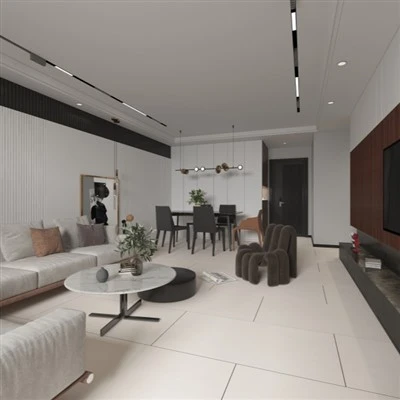
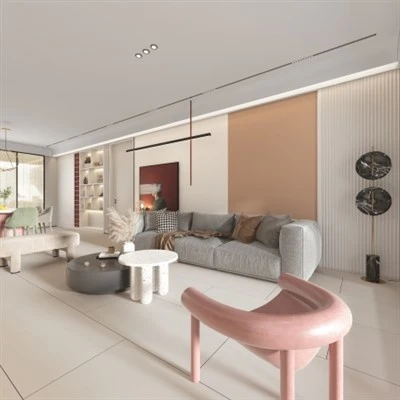
As construction projects, commercial developments, and residential markets continue to demand durable and versatile surface materials, Floor Tiles remain an important product category for importers, distributors, wholesalers, and project buyers. From residential apartments and hotels to shopping centers and public buildings, the right floor tile can influence both the visual effect and long-term performance of a space.
For overseas B2B buyers, sourcing Floor Tiles is not simply about selecting colors or patterns. Product quality, size consistency, surface performance, production capacity, packaging, loading, and supplier reliability are all important factors in the purchasing process. As a porcelain tile manufacturer and exporter in Zibo, China, we understand that international buyers need stable products and practical supply solutions for different markets.
This article looks at the main factors global buyers should consider when sourcing floor tiles from China and how to build a more efficient purchasing strategy.
Why Floor Tiles Remain Important in Global Construction Markets
Flooring materials need to meet both decorative and functional requirements. Compared with many traditional flooring materials, ceramic and porcelain tiles offer a combination of durability, easy maintenance, moisture resistance, and a wide range of designs.
Modern Floor Tiles are available in many different styles, including marble-look, stone-look, concrete-look, wood-look, terrazzo-look, and simple solid-color surfaces. This allows distributors and project buyers to select products for different customer groups without changing the basic product category.
For importers and wholesalers, floor tiles also provide flexibility in product portfolio planning. Different sizes, finishes, and designs can be combined to serve residential, commercial, and project markets. A well-organized floor tile collection can help buyers cover multiple application scenarios while maintaining a clear purchasing structure.
The development of manufacturing technology has also improved the visual and technical performance of porcelain and ceramic floor tiles. Digital printing, surface treatment, mold technology, and improved production control allow manufacturers to create products with more realistic textures and more consistent appearances.
Choosing the Right Material for Floor Tile Projects
One of the first decisions for B2B buyers is selecting the appropriate material. Ceramic and porcelain tiles are both widely used, but their applications may differ depending on project requirements.
Porcelain tiles are commonly selected for areas that require higher durability and lower water absorption. They can be used in residential spaces as well as commercial environments. Their dense structure and stable performance make them suitable for buyers looking for long-term flooring solutions.
Ceramic tiles are also an important product category and can provide a wide range of decorative options. Depending on the body structure, glaze, and production technology, ceramic floor tiles can be suitable for many indoor applications.
When sourcing products, buyers should not select materials based only on appearance. It is important to consider the target market, installation environment, customer expectations, and price positioning.
A professional supplier should be able to provide clear product information and help buyers understand the differences between available materials and finishes.
Size Selection Is Important for Different Markets
Tile size is one of the most important considerations when building a product range. Different markets and projects often have different preferences.
Common floor tile sizes include traditional square formats as well as larger rectangular and large-format options. Smaller and medium-sized tiles may be suitable for standard residential projects, while larger formats are increasingly used in modern apartments, villas, hotels, retail spaces, and commercial developments.
However, larger tiles are not always the best choice for every market. B2B buyers need to consider transportation costs, installation requirements, local labor experience, and customer preferences.
For example, a distributor serving the residential renovation market may require a wider range of standard sizes. A project supplier working with hotels or commercial developments may focus more on large-format products with coordinated wall and floor applications.
When purchasing from China, buyers should discuss size requirements with the manufacturer before placing an order. Production capability, packaging methods, loading efficiency, and container quantity can all be affected by product dimensions.
Surface Finish and Performance Should Match the Application
The surface finish of a tile directly affects its appearance and application. Popular options include polished, matte, structured, and other decorative finishes.
Polished tiles can provide a bright and refined appearance and are commonly used in indoor residential and commercial spaces. Marble-look polished products are especially popular for projects requiring an elegant and spacious visual effect.
Matte tiles provide a more natural appearance and are increasingly used in contemporary interiors. Concrete-look, stone-look, and wood-look designs often use matte surfaces to create a realistic visual effect.
Structured surfaces can provide additional texture and may be selected for applications where surface performance is an important consideration.
When purchasing Floor Tiles, B2B buyers should evaluate more than the appearance of the surface. Wear resistance, maintenance requirements, water absorption, and application conditions should also be considered.
A product that performs well in a showroom should also be suitable for the actual environment where it will be installed.
Popular Floor Tile Designs for International Buyers
Design trends continue to change, but several categories remain important for global B2B markets.
Marble-Look Floor Tiles
Marble-look tiles continue to be widely used because they combine the visual character of natural stone with the practical advantages of ceramic and porcelain materials.
White marble patterns, gray marble designs, beige stone styles, and darker decorative surfaces can serve different market segments. These products are suitable for residential projects, hotels, apartments, and commercial spaces.
Stone-Look Floor Tiles
Stone-look products provide a natural and stable visual effect. They are often used in modern homes and commercial projects because they can work with different interior styles.
Gray, beige, sand, and natural earth-tone designs remain practical choices for distributors because they can be combined with different furniture and wall materials.
Wood-Look Floor Tiles
Wood-look tiles provide the decorative appearance of natural wood while offering the practical advantages of porcelain or ceramic materials.
They are commonly used in living rooms, bedrooms, hotels, restaurants, and other indoor spaces. For markets where moisture resistance and easy maintenance are important, wood-look floor tiles can be an effective alternative to traditional wood flooring.
Concrete-Look Floor Tiles
Concrete-look designs are suitable for modern, industrial, and minimalist spaces. Neutral colors such as gray, beige, and warm greige can be used in residential and commercial projects.
For distributors, these designs can help build a modern product collection without relying on highly decorative patterns.
Quality Consistency Is Critical for B2B Purchasing
For individual consumers, purchasing a small quantity of tiles may focus mainly on appearance. For importers and distributors, consistency is often much more important.
A container order may include thousands of square meters of products. Even small differences in shade, size, surface quality, or packaging can create problems for the buyer.
When sourcing Floor Tiles from a manufacturer, B2B buyers should pay attention to several important areas.
Size consistency is essential for installation. Tiles with stable dimensions can help reduce installation difficulties and improve the final appearance.
Surface quality should also be checked. Buyers need to ensure that the glaze, pattern, texture, and finish meet the agreed product standard.
Color and shade consistency are particularly important for large projects and wholesale orders. Products should maintain a stable appearance within the same production batch.
Packaging quality is another important factor for export business. Tiles must be protected during warehouse handling, container loading, and international transportation.
Reliable quality control can help reduce claims and improve long-term cooperation between manufacturers and overseas buyers.
Why Production Capacity Matters
Production capacity is especially important for importers and project buyers who require stable supply.
A supplier may be able to provide attractive samples, but B2B purchasing requires the ability to maintain production quality across larger orders and repeated purchases.
Before starting cooperation, buyers should understand the supplier's production capability, available product categories, and normal production lead time.
For regular products, inventory availability may support faster shipment. For customized designs or production orders, additional manufacturing time may be required.
Clear communication about production schedules can help importers manage inventory and project buyers coordinate construction timelines.
A manufacturer with experience in export business should also understand the importance of production planning. Container orders often involve multiple products, and production coordination is necessary to ensure efficient loading and delivery.
Packaging and Container Loading for Export Orders
Export packaging is an important part of the tile supply process. Even high-quality products can suffer damage if packaging and loading are not properly managed.
For floor tile exports, packaging should provide protection during transportation while also supporting efficient container loading.
Depending on product requirements, tiles can be protected with internal plastic corner protectors and packed with neutral outer cartons. Pallet arrangements and loading methods can also be adjusted according to product size and transportation requirements.
Container space utilization is another important consideration for importers. Efficient loading can help buyers manage transportation costs and maximize the quantity shipped in each container.
Buyers should discuss packaging and loading requirements before confirming the order. This is especially important for mixed containers containing different sizes or product categories.
Customization for Different Markets
Different countries and customers may have different requirements for size, color, surface, packaging, and product design.
Customization can help distributors develop products that are better suited to their local markets. Project buyers may also require specific designs or coordinated products for a particular development.
When discussing customization, buyers should communicate technical requirements clearly with the manufacturer. Samples, product specifications, packaging requirements, and order quantities should be confirmed before production.
A practical customization process requires both design capability and stable production management.
For manufacturers, customization should not only focus on creating new designs. It should also consider production efficiency, quality control, and the buyer's long-term purchasing plans.
How Importers Can Build a Balanced Floor Tile Collection
Importers and distributors do not always need to offer every available product. A focused product range can be easier to manage and promote.
A balanced collection may include several popular styles, different price levels, and products suitable for multiple applications.
For example, a distributor may combine marble-look tiles, stone-look tiles, wood-look tiles, and modern matte products. Standard sizes can provide stable sales volume, while selected large-format products can support higher-value projects.
Color selection is also important. Neutral colors such as white, gray, beige, and natural earth tones generally provide flexibility across different interior styles.
Instead of frequently adding large numbers of new products, B2B buyers can focus on maintaining stable products while introducing selected new designs based on market demand.
This approach can help reduce inventory complexity and improve purchasing efficiency.
Communication and After-Sales Support
International tile sourcing involves more than production and shipment. Communication is important throughout the entire purchasing process.
Before the order, buyers need accurate product information and clear quotations. During production, both sides should communicate about specifications and schedules. Before shipment, packaging and loading requirements should be confirmed.
After delivery, a reliable supplier should also provide support if problems occur.
For long-term cooperation, fast and clear communication can be as important as product quality. Buyers need suppliers who understand export requirements and can respond efficiently when questions arise.
For manufacturers, long-term relationships are built through consistent products, realistic delivery schedules, and practical solutions rather than only competitive prices.
The Value of Working with an Experienced Chinese Tile Manufacturer
China remains an important sourcing location for the global tile industry because of its manufacturing capability, product variety, and export experience.
Zibo is one of China's established ceramic production areas, with experience in different types of ceramic and porcelain products. For overseas buyers, working directly with a manufacturer can provide better access to product information and production communication.
However, buyers should evaluate suppliers carefully. Product quality, production capability, export experience, communication, and service should all be considered.
A suitable manufacturer should understand that B2B customers often have different needs. A distributor may focus on stable inventory and repeat orders, while a project buyer may require specific specifications and delivery schedules.
The supplier should be able to provide practical support based on the buyer's business model.
Conclusion
Sourcing Floor Tiles for international markets requires a combination of product knowledge and supply chain planning. Buyers need to consider material, size, design, surface finish, quality consistency, production capability, packaging, and communication.
For importers, distributors, wholesalers, and project buyers, the goal is not simply to find the lowest price. A reliable supply solution should support stable product quality, efficient purchasing, and long-term market development.
As a tile manufacturer in Zibo, China, we provide floor tile solutions for overseas B2B customers and focus on practical cooperation for export markets. From product selection and production to packaging and container loading, every stage should support a more efficient sourcing process.
With the continued development of global construction and renovation markets, Floor Tiles will remain an important category for residential and commercial applications. Buyers who understand product requirements and work with reliable manufacturing partners will be better positioned to build stable and competitive tile collections for their markets.
Floor Tiles are not only a decorative material but also an important part of modern building projects. By selecting suitable products, maintaining consistent quality, and establishing efficient supply relationships, international B2B buyers can create stronger opportunities for long-term business development.

China Ceramic Tile Manufacturer
Golden State Ceramics has been deeply rooted in the ceramic industry for nearly two decades, collaborating with clients from over 50 countries to provide tailored ceramic tile solutions for diverse regional markets. In recent years, we have remained committed to staying ahead of market trends, developing more competitive products to meet the evolving needs of our global clientele.