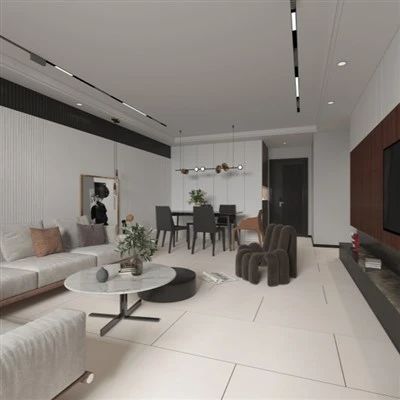
White tiles remain a practical choice for residential developments, hotels, retail spaces, and commercial buildings. For architects, importers, distributors, and construction contractors, white tiles offer a flexible color foundation that works with different interior styles, furniture finishes, and building materials. When selecting products for bulk purchasing, buyers also need to consider tile material, surface finish, dimensions, technical performance, and supply consistency.
As construction and renovation projects increasingly require coordinated material specifications, understanding these factors helps buyers select suitable white tile products for different applications and establish more efficient procurement plans.
1. Why White Tiles Remain in Demand
White is a versatile color in architectural design. It reflects light effectively and can make smaller rooms appear brighter and more open. In apartments, hotels, and office buildings, white tiled surfaces can create a clean visual appearance without limiting the choice of furniture, lighting, or decorative materials.
For property developers and contractors, this versatility allows the same color family to be used across different spaces while maintaining a consistent design direction. White floor tiles can be combined with grey walls, wooden furniture, metal fixtures, or darker decorative elements. White wall tiles also provide a neutral background for kitchens, bathrooms, reception areas, and retail interiors.
From a purchasing perspective, white tiles are available in multiple materials, sizes, and finishes. Buyers can select products according to project budgets, installation conditions, and local market preferences. Distributors may also include several white tile designs in their product portfolios to serve different customer groups, from residential renovation businesses to commercial construction companies.
2. Choosing the Right Material for White Tiles
Material selection is one of the first decisions buyers need to make. Ceramic tiles and porcelain tiles are both used in white tile collections, but their properties and suitable applications can differ.
White ceramic tiles are commonly used for interior walls and selected flooring applications. They offer a broad range of designs, including plain white surfaces, subtle textures, and decorative patterns. For projects where wall appearance and cost control are primary considerations, ceramic wall tiles can be an appropriate option.
White porcelain tiles are often selected for flooring and applications that require lower water absorption and suitable mechanical performance. Their suitability depends on the product's tested properties, surface finish, and intended installation environment. White porcelain floor tiles are commonly specified for residential living areas, hotel corridors, offices, and retail spaces when their technical characteristics meet project requirements.
Buyers should not assume that every white tile is suitable for every application. Before placing an order, importers and project procurement teams should review the manufacturer's technical data, including water absorption, breaking strength, abrasion resistance where applicable, and slip-resistance performance when required.
The distinction between ceramic and porcelain products should also be clearly communicated in product catalogues. Accurate descriptions help distributors manage customer expectations and allow contractors to match materials with project specifications.
3. White Tile Finishes: Polished, Matte, and Textured
Surface finish influences both the appearance and practical use of white tiles. Selecting a finish based on the intended environment can help buyers balance design requirements with maintenance and safety considerations.
Polished white tiles feature a smooth, reflective surface that distributes light across an interior. They are frequently considered for living rooms, hotel lobbies, reception areas, and other spaces where a bright, refined appearance is desired. However, reflected light, visible surface marks, and wet-floor conditions should be considered during product selection.
Matte white tiles provide a softer appearance with less surface reflection. They can complement contemporary, minimalist, and natural interior designs. Depending on the specific surface texture and product specifications, matte tiles may also be suitable for spaces where glare reduction is preferred. Their slip resistance should still be verified rather than assumed from the matte appearance alone.
Textured white tiles introduce visual depth through subtle patterns or tactile surface details. They may be used on feature walls, selected bathroom surfaces, and other areas where a plain finish would appear too simple. For floor applications, the texture should be evaluated alongside cleaning requirements and the intended level of foot traffic.
For wholesalers and distributors, offering different finishes within a coordinated white tile collection can make it easier to serve customers with varied design preferences. Consistent product naming and clear finish descriptions are particularly useful when buyers are comparing samples with catalogue specifications.
4. Common Applications of White Floor and Wall Tiles
White tiles can be used in a wide range of residential and commercial environments. The appropriate product depends on whether the surface is installed on a wall or floor and on the environmental conditions it will encounter.
In residential developments, white floor tiles are frequently considered for living rooms, kitchens, bedrooms, and entrance areas. Their neutral color allows developers to coordinate flooring with different interior packages without changing the basic material specification for every unit.
Bathrooms require more careful selection. White wall tiles can help create a bright appearance and provide a neutral background for sanitary fixtures. For bathroom floors and shower areas, buyers should prioritize products with suitable wet-area performance, including verified slip resistance, alongside appropriate installation materials and waterproofing systems.
In hotels and serviced apartments, white tiles can support a consistent interior design across guest rooms, corridors, and shared facilities. Procurement teams may prefer coordinated product series that provide compatible colors, dimensions, and finishes for different parts of a project.
Retail stores, offices, and showrooms may also use white porcelain flooring to create a bright setting for merchandise, furnishings, and displays. In these environments, the selected tile should match expected foot traffic, cleaning frequency, and maintenance practices.
For outdoor installations, the product must be specifically suitable for the local climate and exposure conditions. Frost resistance, water absorption, slip resistance, and installation requirements should be checked against the project specification before purchase.
5. Selecting Tile Sizes for Different Projects
Tile dimensions affect the visual proportions of a space, installation efficiency, packaging requirements, and material planning. Common formats include square tiles and rectangular tiles, with the appropriate size depending on the design concept and installation area.
Smaller formats can be useful for compact spaces, detailed layouts, and installations involving multiple changes in direction. Medium-sized tiles are widely considered for apartments and standard residential projects because they can provide a balance between appearance and installation practicality.
Large-format white porcelain tiles can create a more continuous visual effect by reducing the number of grout joints across a given area. They may be suitable for spacious living rooms, hotel lobbies, commercial interiors, and contemporary developments. However, installation requires suitable substrate preparation, handling equipment where necessary, and appropriate installation techniques.
When sourcing white tiles wholesale, buyers should confirm the exact dimensions, thickness, edge treatment, and dimensional tolerances of the selected product. Nominal size and actual manufacturing dimensions may differ according to the applicable product standard.
Project teams should also calculate the required quantity based on the installation area, tile layout, cutting losses, and a reasonable allowance for future replacements. For multi-building developments or phased construction, ordering coordination is important to reduce the risk of color or batch differences between deliveries.
6. Key Quality Checks Before Bulk Purchasing
For importers, distributors, and contractors, evaluating samples is an important step before confirming a large order. A white tile may appear consistent in a catalogue image but look different under natural light, artificial lighting, or alongside other construction materials.
Color consistency should therefore be checked using physical samples whenever possible. Buyers should also review surface flatness, edge quality, visible defects, and the consistency of the finish. Where the product includes printed stone patterns or subtle surface textures, the variation between individual tiles should be assessed to determine whether it matches the intended design.
Technical documentation is equally important. Depending on the product and destination market, buyers may need test reports or declarations covering water absorption, breaking strength, abrasion resistance, frost resistance, or slip resistance. Requirements should be confirmed against the relevant standards and project specifications rather than assumed to be identical across markets.
Packaging should be suitable for international transportation. Carton strength, corner protection, pallet arrangement, loading methods, and container utilization all influence the condition of tiles when they arrive at the destination. Buyers should confirm packaging details and shipping arrangements with the supplier before production or dispatch.
A clear inspection process can help reduce misunderstandings between the manufacturer, importer, and final project team. Agreed specifications, approved samples, and documented packaging requirements provide a useful reference throughout the order.
7. Working with a White Tile Manufacturer in China
China is an important sourcing market for ceramic and porcelain tiles, offering buyers access to a broad range of designs, dimensions, finishes, and production options. For overseas customers, choosing a suitable white tile manufacturer involves more than comparing unit prices.
Importers should review the manufacturer's product range, production capabilities, quality-control procedures, export experience, and ability to provide clear technical information. It is also useful to confirm whether the supplier can support repeat orders with consistent specifications, particularly when products are intended for distribution or multi-phase construction projects.
For distributors, a stable product catalogue and accurate product descriptions can simplify stock planning and customer communication. For developers and contractors, clear quotations, confirmed quantities, production schedules, and export packaging details help coordinate procurement with construction timelines.
A quotation request should include the required tile type, dimensions, surface finish, quantity, destination port, and any applicable technical requirements. If several designs are being considered, buyers should specify whether mixed products can be included in one shipment and confirm the relevant minimum order quantities.
Manufacturers based in Zibo, China, can be considered by overseas buyers seeking ceramic and porcelain tile products for international distribution and construction projects. As with any sourcing decision, product samples, verified specifications, and clear commercial terms should form the basis of the final selection.
8. Building a Practical White Tile Product Range
For tile distributors and importers, developing a product range around white tiles requires a balance between design variety and inventory management. Too few options may not cover different customer needs, while too many similar products can complicate purchasing, warehousing, and product presentation.
A structured collection can include plain white tiles, white marble-look tiles, polished porcelain tiles, matte finishes, and selected large-format products. Each option should have a clear application, defined specifications, and a distinct visual characteristic.
White marble-look tiles are worth considering for projects that require the appearance of natural stone without using marble as the tile material itself. Subtle grey veins can add variation while maintaining the neutral character associated with white surfaces. Plain white tiles, by contrast, may be preferred for projects that require a simpler and more uniform appearance.
Product descriptions should focus on useful information such as material, dimensions, finish, recommended application, and relevant technical properties. This approach helps overseas buyers compare products efficiently and supports more accurate searches for terms such as white porcelain floor tiles, white ceramic wall tiles, and white tile supplier China.
Conclusion
White tiles remain a flexible material choice for residential developments, hospitality projects, retail interiors, and commercial buildings. Their suitability depends on selecting the right material, finish, size, and technical properties for each application.
For overseas importers, distributors, architects, and contractors, the purchasing process should combine design evaluation with technical verification, sample approval, quantity planning, and reliable export arrangements. Working with a manufacturer that communicates specifications clearly can make product selection and repeat procurement more straightforward.
By approaching white tile sourcing through practical project requirements rather than appearance alone, buyers can develop product ranges and material specifications that better match their markets and construction needs.

China Ceramic Tile Manufacturer
Golden State Ceramics has been deeply rooted in the ceramic industry for nearly two decades, collaborating with clients from over 50 countries to provide tailored ceramic tile solutions for diverse regional markets. In recent years, we have remained committed to staying ahead of market trends, developing more competitive products to meet the evolving needs of our global clientele.