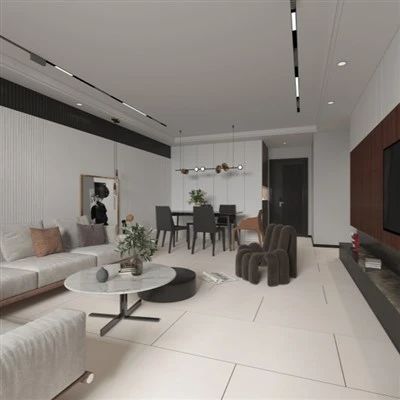
Understanding Floor Tile Selection for Wholesale and Construction Projects
Floor tiles play an important role in residential developments, commercial buildings, hospitality projects, and retail spaces. For importers, distributors, contractors, and project developers, selecting suitable tiles involves more than appearance. Product specifications, surface finishes, size availability, quality consistency, and supply capacity all affect purchasing decisions and project performance.
As construction requirements vary across international markets, buyers need to evaluate floor tiles according to their intended applications and local standards. Understanding these factors helps businesses build more suitable product ranges, control procurement costs, and coordinate deliveries for projects of different scales.
1. Choosing the Right Floor Tile Material
Material selection is one of the first considerations when sourcing floor tiles. Ceramic and porcelain tiles are widely used in residential and commercial interiors, but their technical characteristics differ.
Ceramic floor tiles are commonly selected for residential applications and areas with moderate traffic. They offer a variety of colors, patterns, and surface finishes, allowing buyers to develop product collections for different market segments. Their suitability depends on the product specifications and intended installation environment.
Porcelain floor tiles are manufactured using carefully selected raw materials and high-temperature firing. They generally have lower water absorption than standard ceramic tiles, making them suitable for many demanding interior applications. Depending on their technical properties, porcelain tiles can be used in living rooms, hotel corridors, offices, retail spaces, and other areas requiring durable flooring.
For B2B buyers, material selection should be based on measurable performance rather than appearance alone. Water absorption, breaking strength, abrasion resistance, and surface slip characteristics are important factors to review. Product test reports and applicable certification documents can help buyers determine whether a tile meets the requirements of a particular market or project.
2. Popular Floor Tile Designs in International Markets
Design preferences differ between countries, but several styles remain relevant across residential and commercial projects.
Marble-look floor tiles provide the visual effect of natural marble through printed patterns and carefully designed surfaces. They are available in white, beige, gray, and darker tones, allowing architects and developers to coordinate flooring with different interior styles. Compared with natural marble, porcelain alternatives generally require less specialized maintenance and offer more predictable product specifications.
Wood-look floor tiles combine wood-inspired patterns with the practical properties of ceramic or porcelain materials. They are frequently considered for bedrooms, living areas, hotels, and selected commercial interiors where a natural appearance is preferred. Long plank formats can help create a continuous visual effect across larger floor areas.
Concrete-look and stone-look floor tiles are suitable for contemporary interiors, offices, retail environments, and hospitality projects. Their relatively understated patterns can coordinate with metal, glass, wood, and other architectural materials.
Neutral colors, including beige, gray, cream, and off-white, are useful for projects requiring flexible interior coordination. For distributors, maintaining a balanced range of colors and designs can help serve different customer groups without creating an unnecessarily complicated inventory.
3. Understanding Tile Sizes and Formats
Tile size affects installation planning, visual proportion, packaging, and transportation. Common floor tile formats include 300 × 300 mm, 600 × 600 mm, 600 × 1200 mm, and larger formats such as 750 × 1500 mm. Actual availability depends on the manufacturer's product range.
Small-format tiles can be practical for compact spaces and certain detailed layouts. Medium-sized tiles are widely used in residential and commercial interiors because they offer flexibility across different room dimensions. Large-format floor tiles can reduce the number of visible joints and create a more continuous appearance, making them relevant to modern apartments, hotels, showrooms, and public interiors.
However, a larger tile is not automatically suitable for every project. Buyers should consider substrate conditions, installation methods, handling requirements, and local installer experience. Large-format products may require more careful transportation, specialized handling equipment, and appropriate installation systems.
When purchasing from a floor tile manufacturer, importers should confirm the available dimensions, thickness, dimensional tolerances, edge finishing, and packing specifications before placing an order. These details are particularly important when tiles must match an approved design or be installed across multiple buildings.
4. Surface Finishes and Their Applications
Surface finish affects the appearance, maintenance requirements, and potential applications of floor tiles. The most common options include polished, matte, and textured finishes.
Polished floor tiles feature a reflective surface that can enhance brightness and emphasize decorative patterns. They are frequently used in living rooms, hotel lobbies, showrooms, and other interior spaces where a refined appearance is desired. Their suitability for wet or high-traffic areas should be evaluated according to the product's tested properties.
Matte floor tiles provide a softer appearance with limited reflection. They are often selected for contemporary residential interiors, offices, and commercial environments. Their maintenance characteristics depend on the surface structure, finish, and type of dirt encountered during daily use.
Textured floor tiles offer additional surface variation and may be designed for areas where greater slip resistance is required. Nevertheless, texture alone does not guarantee safety. Buyers should request relevant slip-resistance test results and check the requirements applicable to the installation environment.
For projects involving bathrooms, entrances, kitchens, or other potentially wet areas, surface selection should consider both the expected exposure to water and the maintenance practices of the building operator. Product suitability should be confirmed through technical documentation rather than visual assessment alone.
5. Quality Control in Floor Tile Manufacturing
Consistent quality is essential for importers and distributors who need reliable products across repeat orders. Variations in dimensions, color, surface appearance, and flatness can complicate installation and affect the final appearance of a project.
A structured quality-control process may include raw material preparation, forming, drying, glazing or decoration, firing, sorting, and final inspection. The exact process depends on the product type and manufacturing technology.
During procurement, buyers should pay attention to several product characteristics. Dimensional accuracy helps installers maintain consistent joint widths and alignment. Surface flatness affects the finished floor, especially when larger formats are used. Color consistency is important when tiles from multiple cartons are installed within the same visible area. Edge quality and surface defects should also be checked against the agreed product specifications.
Buyers should confirm the manufacturer's grading system and understand how different production batches are identified. For projects requiring large quantities, ordering sufficient material from an appropriately coordinated batch can reduce the risk of visible differences between installation areas.
Sample approval is another useful step. Before mass production or shipment, the buyer and supplier can confirm the selected color, pattern, finish, size, and other agreed requirements. For repeat orders, keeping product codes and approved specifications consistent helps simplify communication and procurement.
6. Floor Tiles for Residential and Commercial Applications
Different projects require different combinations of design and technical performance.
In residential developments, floor tiles are commonly used in living rooms, bedrooms, kitchens, bathrooms, and entrance areas. Buyers may prioritize coordinated designs, easy cleaning, suitable dimensions, and compatibility with the overall interior scheme.
Hotels and serviced apartments often require products that maintain a consistent appearance across multiple rooms and public areas. Procurement teams should consider traffic levels, cleaning procedures, replacement requirements, and the availability of matching products for future maintenance.
Retail stores and office buildings may require flooring that can accommodate regular foot traffic while supporting the intended architectural design. The selected tile should meet the relevant performance requirements for its installation environment.
For larger commercial projects, technical specifications should be reviewed before the product is approved. Slip resistance, wear characteristics, strength, and other relevant properties should be assessed according to the intended use and applicable local standards. Tiles suitable for a private bedroom, for example, may not be the correct choice for a busy entrance or an exposed outdoor walkway.
Matching product selection to actual application requirements helps buyers avoid unnecessary costs and reduces the likelihood of specification changes during construction.
7. What B2B Buyers Should Consider When Sourcing Floor Tiles
For importers, wholesalers, and project purchasers, sourcing decisions involve both product suitability and supply coordination.
The first step is to establish clear purchasing specifications. These should include material type, dimensions, thickness, surface finish, color, quantity, packaging requirements, and destination market. Providing these details early helps suppliers prepare more accurate quotations and reduces misunderstandings during production.
The second consideration is supply capacity. Buyers handling multiple projects need to understand production lead times, minimum order quantities, available stock, and the supplier's ability to coordinate repeat orders. Stock availability and production schedules should be confirmed before delivery commitments are made.
Packaging and transportation also require attention. Floor tiles are heavy and can be damaged if cartons, pallets, or loading arrangements are unsuitable. Importers should confirm carton specifications, pallet requirements, container loading plans, and shipping marks according to their logistics arrangements. Transit protection and packaging suitability are particularly important for long-distance export shipments.
Documentation is another part of the procurement process. Depending on the destination and contract, buyers may need product specifications, test reports, packing lists, commercial invoices, or other export documents. Applicable product standards and import requirements should be checked before an order is finalized.
Finally, communication should continue throughout the order process. Clear confirmation of samples, production schedules, inspection arrangements, and shipping details helps both parties manage expectations and respond to changes more efficiently.
8. Working with a China Floor Tile Manufacturer
China is an important sourcing destination for ceramic and porcelain tiles, offering a broad range of product styles, dimensions, and finishes. For international buyers, working directly with a manufacturer can provide a clearer communication channel for product specifications, production arrangements, and order coordination.
Zibo, Shandong Province, has an established ceramic industry, making the region relevant to buyers researching Chinese tile suppliers. When evaluating a supplier, however, location alone should not determine the purchasing decision. Buyers should review the manufacturer's actual product range, quality-control procedures, export experience, production arrangements, and ability to meet the requirements of the target market.
A reliable sourcing process begins with clear technical communication. Importers can provide drawings, reference images, required dimensions, estimated quantities, and intended applications. The manufacturer can then confirm which products are available and identify any differences between the requested specifications and standard production options.
For wholesale orders, it is also useful to establish consistent product codes and written specifications. These records help simplify repeat purchasing and reduce confusion when managing several designs or project locations.
Conclusion
Selecting suitable floor tiles for international markets requires a balanced assessment of material, design, dimensions, surface finish, technical performance, and supply conditions. Residential developments, hospitality projects, and commercial buildings may have different priorities, so product selection should always reflect the intended application.
For importers, distributors, and project developers, a clear procurement process can improve product consistency and reduce avoidable sourcing problems. Confirming specifications, checking quality documentation, coordinating packaging, and reviewing delivery schedules are practical steps when working with a floor tile manufacturer.
As demand for varied tile designs and project-specific specifications continues across international markets, buyers can benefit from building product ranges around actual customer requirements. Careful planning and clear communication help establish a more stable foundation for long-term cooperation between tile manufacturers and overseas B2B customers.

China Ceramic Tile Manufacturer
Golden State Ceramics has been deeply rooted in the ceramic industry for nearly two decades, collaborating with clients from over 50 countries to provide tailored ceramic tile solutions for diverse regional markets. In recent years, we have remained committed to staying ahead of market trends, developing more competitive products to meet the evolving needs of our global clientele.