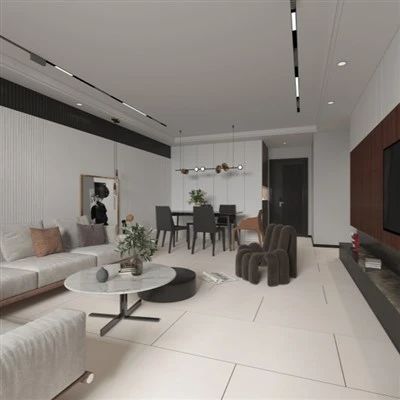
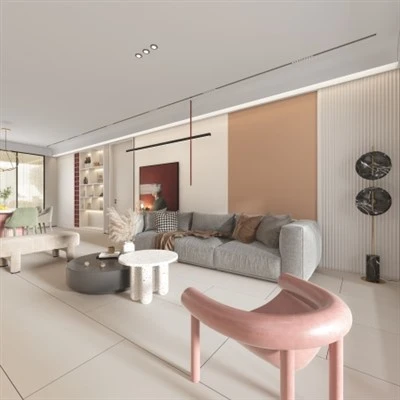
Wall tiles are widely used in residential, commercial, hospitality, and public projects, where material selection needs to balance appearance, technical performance, installation requirements, and project cost. For importers, distributors, contractors, and project buyers, choosing the right wall tiles is not only about surface design. Tile type, size, finish, water absorption, packaging, and supply consistency can all affect the final application.
Choosing the Right Wall Tile Material
The first consideration is the tile material. Ceramic and porcelain tiles are commonly used for wall applications, with different properties suited to different project requirements.
Ceramic wall tiles are often selected for interior walls because they are relatively easy to process and available in a wide range of colors, patterns, and surface finishes. Porcelain tiles generally have lower water absorption and higher density, making them suitable for areas where greater moisture resistance or durability is required.
For B2B buyers, the appropriate material depends on the intended application. Bathroom walls, kitchen backsplashes, hotel interiors, retail spaces, and large commercial projects may have different technical requirements. Therefore, specifications should be confirmed before purchasing rather than selecting tiles based only on appearance.
Wall Tile Size and Project Planning
Tile size has a direct influence on installation and the overall visual effect. Small wall tiles can work well in detailed layouts or spaces requiring more cutting flexibility, while medium and large formats can create a cleaner appearance with fewer grout joints.
Common sizes include rectangular formats such as 300×600 mm, 300×900 mm, and other project-specific dimensions. The suitable size depends on the wall dimensions, installation method, design requirements, and local construction practices.
For importers and distributors, size availability is also an important purchasing consideration. A product range with several sizes can make it easier to meet the requirements of different markets and project types. However, buyers should check whether the requested sizes belong to regular production or require additional production arrangements.
Surface Finish and Appearance
The surface finish affects both appearance and maintenance. Glossy wall tiles can reflect light and help create a brighter visual effect, while matte surfaces provide a softer and more understated appearance.
For contemporary interiors, neutral colors such as white, beige, grey, and warm earth tones remain common choices. Marble-look patterns, stone textures, concrete effects, and simple solid colors are also used across different interior styles.
For commercial buyers, consistency between samples and mass production is particularly important. Color variation, surface texture, gloss level, and pattern distribution should be clarified during the product confirmation stage. This is especially relevant when tiles are purchased for large projects where different production batches may be installed in the same area.
Wall Tiles for Bathrooms and Wet Areas
Bathrooms are one of the most common applications for wall tiles. Because these areas are frequently exposed to water and humidity, buyers need to consider water absorption, surface characteristics, cleaning requirements, and compatibility with the installation system.
Porcelain wall tiles can be considered where lower water absorption is required. Ceramic tiles can also be used for many interior wall applications, depending on the product specification and local standards.
It is important to distinguish wall applications from flooring requirements. A tile designed primarily for walls may not have the same slip-resistance or mechanical characteristics required for floors. For mixed wall-and-floor projects, buyers should confirm whether the product has been designed and tested for both applications.
Matching Wall and Floor Tiles
Many projects require coordination between wall and floor surfaces. Matching does not necessarily mean using exactly the same tile. Instead, buyers can combine related colors, textures, or patterns to create a consistent interior scheme.
For example, a neutral marble-look wall tile can be paired with a plain matte floor tile, while a wood-look wall surface may be combined with stone-effect flooring. This approach allows distributors and project buyers to offer coordinated product selections without making every surface visually identical.
When purchasing from a factory, buyers should also confirm whether matching products are available in the same series. Consistent design across different sizes and finishes can simplify product selection for distributors and project suppliers.
What B2B Buyers Should Check Before Ordering
For international tile purchasing, product specifications should be confirmed before the order is finalized. Important information may include tile size, thickness, material, finish, water absorption, packing method, quantity per carton, cartons per pallet, and loading quantity.
Sample approval is also useful for projects involving large quantities. A physical sample allows buyers to check the actual color, surface texture, edge quality, flatness, and overall appearance before mass production.
For regular distribution orders, production capacity and supply stability may be more important than a single product specification. Buyers may need to know whether the same model can be supplied repeatedly and whether production batches can maintain consistent quality.
Packaging and Export Requirements
Packaging becomes particularly important when wall tiles are shipped internationally. Tiles are relatively fragile products, and long-distance transportation requires appropriate protection against impact, moisture, and handling damage.
Export packaging normally includes cartons and protective measures suitable for container transportation. Buyers should confirm carton information, pallet requirements, loading methods, and whether packaging can be adjusted according to destination-market requirements.
For distributors and importers, accurate packing information also helps with freight calculation and warehouse planning. Before shipment, the quantity, packing list, product identification, and loading arrangement should be checked carefully.
Selecting Wall Tiles for Different Projects
Different projects require different selection priorities. Residential developers may focus on design flexibility, practical maintenance, and price control. Hotels and commercial buildings may require consistent appearance across larger quantities. Distributors may place greater emphasis on product range, repeat supply, and packaging efficiency.
For renovation projects, size and availability can be particularly important because existing wall dimensions may limit installation options. For new construction, buyers generally have more flexibility in coordinating tile sizes with the overall architectural design.
Understanding the final application helps buyers communicate more effectively with manufacturers. Instead of requesting tiles only by color or appearance, providing information about the project type, required sizes, estimated quantity, finish, and destination market can make product matching more precise.
Working with a China Wall Tile Manufacturer
China remains an important source of ceramic and porcelain tile products for international markets. When working with a China wall tile manufacturer, overseas buyers typically need to evaluate more than product appearance.
Product specifications, production consistency, quality control, export packaging, lead time, and communication should all be considered during supplier evaluation. Buyers can also request product samples and technical information before placing larger orders.
For a manufacturer in Zibo, China, export-oriented production can support different requirements from overseas distributors, importers, contractors, and project suppliers. Clear communication about specifications and order quantities helps reduce misunderstandings during production and shipment.
Final Considerations
Selecting suitable wall tiles requires a combination of design, technical, and supply considerations. Material, size, surface finish, application area, water absorption, packaging, and batch consistency can all influence the suitability of a product for an international project.
For B2B buyers, a practical purchasing process usually starts with clear project requirements, followed by sample confirmation and specification checking before mass production. This approach provides a more reliable basis for comparing products and communicating with manufacturers.
As wall tile applications continue to cover residential interiors, hotels, commercial buildings, and other projects, buyers can benefit from focusing on both the visible design and the less visible details behind production and supply. For importers and distributors, this balance is particularly important when building a stable product range for different markets.

China Ceramic Tile Manufacturer
Golden State Ceramics has been deeply rooted in the ceramic industry for nearly two decades, collaborating with clients from over 50 countries to provide tailored ceramic tile solutions for diverse regional markets. In recent years, we have remained committed to staying ahead of market trends, developing more competitive products to meet the evolving needs of our global clientele.