Understanding Floor Tiles in Modern Construction
Floor tiles are widely used in residential, commercial, and public spaces because of their durability, surface versatility, and ease of maintenance. For importers, distributors, contractors, and project developers, selecting the right floor tile involves more than appearance. Material composition, surface finish, size, water absorption, and installation requirements all influence product suitability and long-term performance.
As a major ceramic tile manufacturing region in China, Zibo has a well-established ceramic industry serving international markets. Chinese floor tile manufacturers supply a wide range of products for different architectural styles, construction projects, and distribution channels. Understanding the key characteristics of floor tiles can help buyers evaluate product specifications and coordinate purchasing decisions more efficiently.
1. Common Types of Floor Tiles
Floor tiles are available in different materials, each with distinct physical properties and application requirements. Porcelain tiles and ceramic tiles are two widely used categories in the international market.
Porcelain floor tiles are made from refined raw materials and fired at high temperatures. They generally have low water absorption and good resistance to wear, making them suitable for a variety of indoor and selected outdoor applications, depending on the product specifications. These tiles are commonly used in hotels, shopping centers, residential buildings, and other spaces that require durable flooring.
Ceramic floor tiles offer a broad range of colors, patterns, and surface finishes. They are frequently used in residential interiors and selected light-commercial environments. Their suitability depends on the tile's technical properties, intended application, and expected traffic conditions.
When comparing porcelain floor tiles with ceramic options, buyers should consider water absorption, breaking strength, surface durability, and applicable technical standards rather than relying on appearance alone.
2. Floor Tile Surface Finishes and Design Options
Surface finish influences both the appearance and functional characteristics of floor tiles. Different finishes are designed to meet the needs of various architectural styles and usage environments.
Matte floor tiles have a low-reflective surface that works well in contemporary, minimalist, and natural-style interiors. They are commonly selected for residential floors, hotel rooms, and commercial spaces where a subdued appearance is preferred. Their slip resistance should be assessed through relevant test results rather than inferred from the matte finish alone.
Polished floor tiles feature a smooth, reflective surface that can make interior spaces appear brighter and more spacious. They are often used in living rooms, hotel lobbies, and commercial interiors. Buyers should consider surface maintenance requirements and the suitability of polished finishes for areas exposed to water.
Wood-look floor tiles reproduce the visual texture of natural wood while offering the characteristics of ceramic or porcelain materials. They are used in bedrooms, living rooms, hospitality projects, and other spaces where a wood-inspired appearance is required. Plank-shaped formats and varied surface patterns can help create a more natural visual effect.
Marble-look floor tiles feature patterns inspired by natural marble, including veins and contrasting tones. They are frequently used in residential interiors, hotels, offices, and retail spaces. Compared with natural marble, ceramic and porcelain alternatives can offer different maintenance and installation characteristics, depending on the product.
Stone-look floor tiles, concrete-look surfaces, and solid-color designs provide additional options for projects requiring specific visual styles.
3. Choosing the Right Tile Size and Format
Tile size affects the overall appearance of a floor, installation efficiency, and material planning. Common formats include small square tiles, medium-sized tiles, large-format tiles, and elongated plank designs.
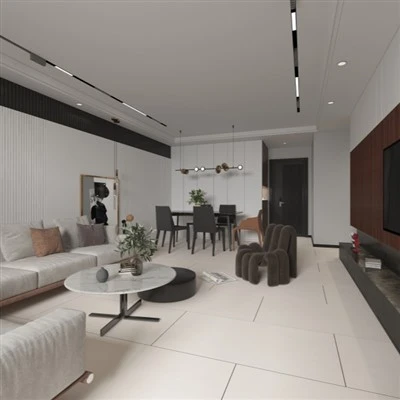
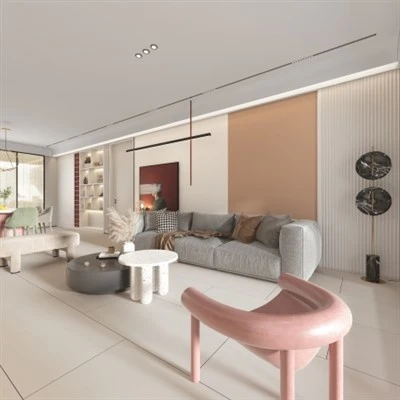
Large-format floor tiles are often selected for open-plan living areas, hotel lobbies, and commercial interiors. Fewer grout joints can create a more continuous visual effect, but installation requires suitable substrate preparation, handling equipment, and professional techniques.
Medium-sized formats remain widely used in residential and commercial projects because they can accommodate a variety of room layouts. Smaller tiles may be suitable for areas requiring more detailed layouts or specific drainage arrangements.
For large-format floor tiles, buyers should confirm actual dimensions, thickness, dimensional tolerances, flatness, and packaging specifications. These details are particularly relevant when coordinating installation across multiple rooms or project phases.
Tile size should also be considered alongside room dimensions, cutting requirements, grout joint width, and the installation pattern. Proper planning helps reduce unnecessary cutting and material waste.
4. Technical Specifications for Floor Tile Purchasing
For B2B buyers, technical specifications are essential when comparing products from different manufacturers. A tile's appearance alone does not indicate whether it meets the requirements of a particular project.
Water absorption is an important factor in evaluating floor tiles. Porcelain tiles generally have a low water absorption rate, while ceramic products may vary depending on their composition and manufacturing process. Buyers should request test results and confirm compliance with the standards required in the destination market.
Breaking strength and resistance to wear are also relevant. Areas with frequent foot traffic, furniture movement, or equipment loads may require products with specific performance characteristics. The appropriate specification depends on the intended use and applicable standards.
Slip resistance should be assessed according to the environment. Bathrooms, entrances, kitchens, and outdoor walkways may require different surface characteristics. Buyers should check the relevant test method and results instead of relying solely on product descriptions.
Other factors include thickness, dimensional accuracy, surface quality, stain resistance, and chemical resistance. For projects involving commercial floor tiles, these specifications should be matched to the building's intended function and maintenance requirements.
5. Floor Tile Applications in Residential and Commercial Projects
Floor tiles are used across a wide range of building types, with different requirements depending on the environment.
In residential projects, floor tiles are commonly installed in living rooms, kitchens, bedrooms, bathrooms, and hallways. Design consistency, cleaning requirements, and compatibility with the interior layout are important considerations. Wood-look and stone-look finishes are frequently used to coordinate flooring with furniture and wall finishes.
In hotels and hospitality projects, tile selection often involves balancing visual consistency with durability and maintenance needs. Guest rooms, corridors, reception areas, and restaurants may require different specifications because of variations in foot traffic and exposure to moisture.
Retail stores and office buildings may use floor tiles in entrances, corridors, showrooms, and other shared spaces. Buyers should evaluate expected traffic levels, cleaning methods, and the possibility of replacing individual tiles during future maintenance.
For kitchens and bathrooms, water exposure and cleaning requirements are important factors. Product selection should account for the intended installation area, surface performance, and local building requirements.
Outdoor applications require additional attention to weather exposure, temperature changes, water absorption, and slip resistance. Not every indoor floor tile is suitable for outdoor use, so product specifications should be reviewed before purchasing.
6. How to Select a Floor Tile Manufacturer in China
Choosing a suitable floor tile manufacturer in China involves reviewing product specifications, production capabilities, quality control procedures, and export experience.
Buyers should first confirm whether a supplier can provide the required tile materials, sizes, surface finishes, and technical documentation. Consistency between samples and bulk production is particularly important for projects involving large quantities or repeat orders.
Quality control procedures may include checks on dimensions, surface appearance, color consistency, and product performance. Buyers can request product samples, inspection records, and relevant test reports to evaluate whether the products meet their purchasing requirements.
Production capacity and delivery arrangements should also be considered. For distributors and project buyers, stable supply and coordinated shipment schedules can influence inventory planning and project progress.
Communication is another important part of supplier evaluation. Clear confirmation of product codes, specifications, quantities, packaging, and delivery terms can reduce misunderstandings during order processing.
For overseas buyers sourcing floor tiles wholesale, it is useful to confirm minimum order quantities, mixed-product loading options, lead times, and the availability of repeat production for the same design.
7. Packaging and Export Logistics
International floor tile shipments require appropriate packaging and transportation planning. Because tiles are fragile and relatively heavy, packaging quality and container loading arrangements are important considerations.
Common export packaging includes cartons, protective materials, and pallets where required. The packaging method should be suitable for the tile size, thickness, weight, and transportation route. Buyers should confirm carton labels, product identification, and packaging requirements before production is completed.
Container loading plans should account for shipment weight, product dimensions, and the number of cartons or pallets. Accurate quantity calculations can help buyers estimate transportation costs and organize warehouse space.
For overseas distributors and construction projects, shipment documentation and delivery schedules should be confirmed in advance. Clear communication about production completion, loading, and shipping arrangements helps coordinate purchasing with local distribution or installation plans.
8. Trends in Floor Tile Design and Procurement
Floor tile design continues to reflect demand for versatile surfaces, natural visual effects, and coordinated interior styles. Wood-look, marble-look, and stone-look products remain relevant to projects seeking the appearance of natural materials with ceramic-based construction.
Large-format tiles are used in projects that favor fewer visible grout joints and a more continuous floor appearance. Matte finishes and neutral colors, including beige, gray, and warm white, are also commonly incorporated into contemporary interior schemes.
From a procurement perspective, buyers increasingly need to balance design requirements with technical specifications, supply planning, and cost management. Product consistency, packaging suitability, and reliable documentation remain important factors when sourcing tiles for distribution or construction projects.
For manufacturers and suppliers, understanding the requirements of different destination markets helps support product selection and communication with international buyers.
Conclusion
Floor tiles serve a wide range of residential, commercial, and architectural applications. Material type, surface finish, tile size, technical performance, and installation conditions all influence product suitability.
For importers, distributors, contractors, and project developers, a clear understanding of these factors can make product evaluation and purchasing more efficient. When sourcing from China, reviewing manufacturer capabilities, quality control procedures, packaging arrangements, and export requirements helps establish a practical foundation for long-term supply relationships.

China Ceramic Tile Manufacturer
Golden State Ceramics has been deeply rooted in the ceramic industry for nearly two decades, collaborating with clients from over 50 countries to provide tailored ceramic tile solutions for diverse regional markets. In recent years, we have remained committed to staying ahead of market trends, developing more competitive products to meet the evolving needs of our global clientele.