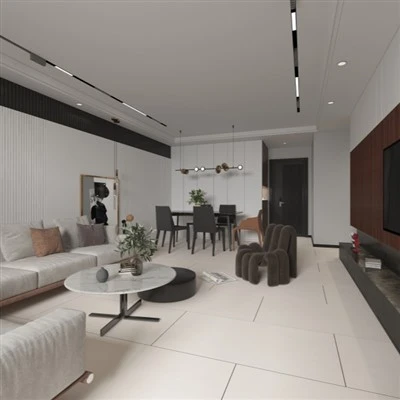
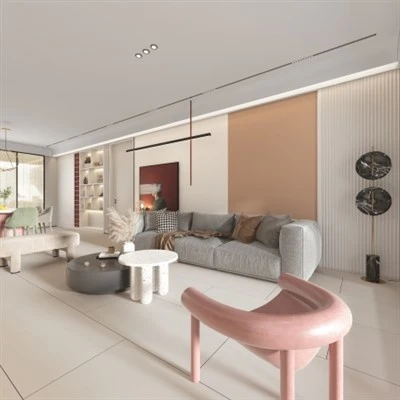
Wall tiles are widely used in residential and commercial interiors, including bathrooms, kitchens, hotels, restaurants, offices, and retail spaces. For B2B buyers, product selection usually involves more than color and appearance. Tile size, surface finish, material characteristics, packaging, and order requirements can all affect the final application.
For importers, distributors, contractors, and project buyers, understanding these basic factors can make product comparison and purchasing communication more efficient.
Wall Tile Types and Applications
Wall tiles are available in a wide range of colors, sizes, textures, and finishes. Different combinations are suitable for different interior applications.
In bathrooms, light-colored and easy-to-clean surfaces are commonly used to create a simple and clean appearance. Kitchens may use ceramic or porcelain wall tiles with smooth surfaces that are convenient for regular cleaning.
For hotels, restaurants, and commercial interiors, wall tiles are often selected according to the overall design scheme. Stone-look, marble-look, plain, textured, and decorative surfaces can be used to create different visual effects.
The intended application is therefore an important starting point when comparing products.
Size and Format
Tile size has a direct effect on the appearance of a finished wall. Smaller formats can provide more visible joints and are sometimes used for decorative layouts, while larger formats can create a more continuous surface.
For B2B orders, size should also be considered together with installation conditions and local market preferences. Different countries and project types may have different requirements for commonly used formats.
Before ordering, buyers normally need to confirm the exact dimensions, thickness, edge treatment, and available production specifications.
Surface Finish
Surface finish is another important characteristic of wall tiles. Glossy, matte, satin, textured, and other finishes can produce different visual effects.
Glossy surfaces are often used where a bright and clean appearance is required. Matte finishes generally provide a softer appearance and are frequently found in contemporary interior designs.
Textured surfaces can add depth to a wall, while stone-look and marble-look designs provide patterns inspired by natural materials.
When comparing similar products, it is useful to check both the visual effect and the consistency of the surface from one batch to another.
Ceramic and Porcelain Wall Tiles
Ceramic and porcelain are two common materials used in tile production. Their technical characteristics can differ, so the appropriate option depends on the intended application and product specifications.
Ceramic wall tiles are widely used in interior wall applications and are available in many colors and decorative designs. Porcelain tiles generally have lower water absorption and are also available in various formats and finishes.
For B2B purchasing, buyers should check the specific technical data of each product instead of judging the material only by its appearance.
Color Selection
Color is often one of the first factors considered when selecting wall tiles. White, beige, grey, black, and other neutral colors are commonly used in contemporary interiors, while stronger colors and decorative patterns can be used as feature walls.
For distributors, color selection may depend on the preferences of their target market. For project orders, colors are usually considered together with flooring, furniture, lighting, and other interior materials.
Sample confirmation is useful when color accuracy is important, particularly because screen displays may differ from the actual tile surface.
Technical Specifications
Appearance is only one part of product selection. B2B buyers may also need information about dimensions, thickness, water absorption, surface characteristics, and dimensional tolerances.
For projects involving large quantities, dimensional consistency can be particularly important because differences between tiles may affect installation.
Technical information should therefore be confirmed before an order is finalized. This also makes it easier for buyers in different countries to compare products using the same criteria.
Packaging for Export
Packaging is an important part of international tile transportation. Ceramic products are relatively fragile, so cartons and protective materials need to be suitable for handling and long-distance shipping.
For bulk orders, buyers may need to confirm carton specifications, pallet requirements, product labels, and loading arrangements. These details can be discussed according to the destination and transportation method.
Correct packaging information is also useful when calculating container quantities and planning warehouse storage after arrival.
Batch Consistency
For repeated purchases, batch consistency can become more important than the appearance of a single sample. Differences in shade, surface texture, or dimensions may be noticeable when products from different production batches are installed together.
This is particularly relevant for distributors and projects that require several shipments over a longer period.
Before production, buyers can confirm the approved sample, product specifications, and acceptable production tolerances. Keeping these details clear can reduce misunderstandings during repeat orders.
Wall Tiles for Commercial Projects
Commercial projects often involve larger quantities and more detailed specifications than individual residential purchases.
Hotels, restaurants, offices, retail stores, and residential developments may require the same product across multiple rooms or buildings. In these cases, size consistency, color stability, packaging, and production schedules can become important parts of the purchasing process.
Project buyers may also need to coordinate tile delivery with construction schedules. Confirming production and shipping arrangements in advance can help with project planning.
Considerations When Buying From China
China is an established production base for ceramic and porcelain tiles, with manufacturers supplying different international markets.
When purchasing wall tiles from China, overseas buyers generally need to provide clear information about product requirements. This may include size, finish, quantity, destination, packaging, and any special labeling requirements.
For a first order, samples and technical specifications can be reviewed before confirming larger quantities. For repeat orders, keeping the same product specifications helps maintain consistency.
The purchasing process is therefore not limited to selecting a design. Product information, order details, packaging, and transportation all form part of the process.
Practical Approach to Wall Tile Selection
A practical way to evaluate wall tiles is to consider several factors together rather than focusing on one specification. Application, size, material, surface finish, color, technical characteristics, and order quantity should all correspond to the actual project requirements.
For distributors and importers, market demand is another consideration. Products with different sizes, colors, and finishes may serve different customer groups and project types.
For project buyers, the focus may be more specific, with product selection based on architectural drawings, installation conditions, technical requirements, and scheduled quantities.
Conclusion
Wall tiles are available in many formats and surface designs, making them suitable for a wide range of interior applications. For B2B buyers, the selection process usually involves both visual and technical considerations.
Size, finish, material, color, specifications, packaging, and batch consistency can all influence the suitability of a product for a particular project or market. Clear product information and sample confirmation can make the purchasing process more straightforward, especially when orders involve multiple batches or international transportation.
For overseas tile sourcing, a clear understanding of these basic factors provides a practical starting point for comparing products and communicating requirements with manufacturers.

China Ceramic Tile Manufacturer
Golden State Ceramics has been deeply rooted in the ceramic industry for nearly two decades, collaborating with clients from over 50 countries to provide tailored ceramic tile solutions for diverse regional markets. In recent years, we have remained committed to staying ahead of market trends, developing more competitive products to meet the evolving needs of our global clientele.