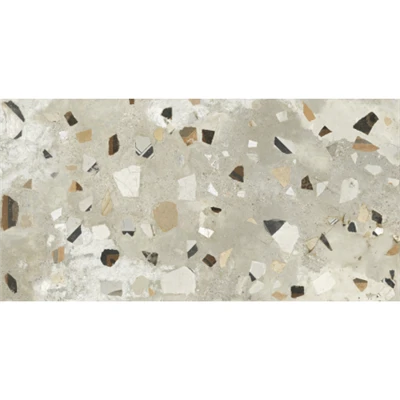
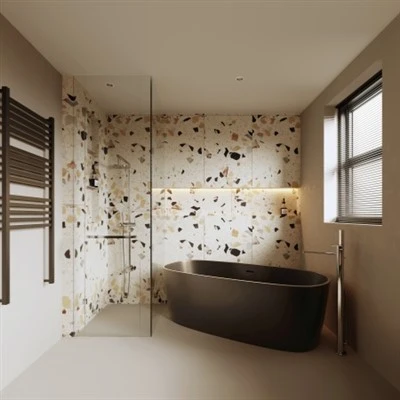
If I could renovate again, I would insist on "4 no's" for tiles. A word of advice: don't waste your money on these anymore.
During the process of renovating a new home, tiles are a commonly used material, especially for foundational projects such as flooring and walls. Functional areas like the kitchen and bathroom are almost entirely covered with tiles. Once these foundational projects are completed, they are rarely modified later due to practical constraints.As someone who has been through it, I've encountered many issues after finishing my home's renovation. If I could redo the tiling, I would firmly adhere to the "4 no's" rule. These lessons were learned the hard way-through costly mistakes. So, take my advice: don't waste your money on poor choices anymore.
Avoid tiles with high water absorption.
Many people judge the quality and practicality of tiles based on their water absorption rate. Generally speaking, the water absorption rate directly affects a tile's physical and chemical stability.If you've ever visited a construction site, you may have noticed that tiles are soaked in water before installation. This practice is actually related to the tile's water absorption rate. Soaking the tiles prevents them from absorbing moisture from the cement mortar, which could otherwise cause the tiles to loosen or fall off later.

Avoid solid marble tiles
When renovating homes, an increasing number of people are opting for marble tiles. However, marble tiles come in various types, such as natural marble tiles, standard marble tiles, and solid marble tiles. Among these, natural marble tiles are the most expensive and scarce, being a non-renewable resource. Standard marble tiles come next in quality, while solid marble tiles rank the lowest.Many first-time buyers, unfamiliar with tile market trends, often get persuaded by salespeople into purchasing solid marble tiles. In reality, this type of tile is not suitable for residential renovation environments.

Avoid trendy small-pattern tiles
Many homeowners opt for trendy small-pattern tiles when decorating functional spaces like balconies, kitchens, and bathrooms. These petite, patterned tiles with vintage charm do offer appealing visual aesthetics initially. However, numerous practical issues emerge after moving in.The intricate designs of these small tiles tend to cause visual fatigue over time. More critically, the numerous grout lines between tiles become magnets for dirt accumulation. In grease-prone kitchens, humid bathrooms, and dust-exposed balconies, these crevices trap grime, oil residue, and bacteria - creating cleaning nightmares and hygiene concerns.For lasting appeal and easy maintenance, we recommend avoiding excessively small tiles for both flooring and walls. While charming at first glance, they prove impractical over time, ultimately creating more household hassles than they're worth.https://www.jdztile.com/floor-tile/rustic-floor-tile/dark-grey-textured-tile.html

Avoid premium-brand tiles
Premium brands across all industries are largely built through massive advertising budgets. Ultimately, it's consumers who pay for these exorbitant marketing costs. For average households, there's absolutely no need to splurge on top-brand tiles. The truth is, these 'premium' brands are really just paying for reputation - the actual quality difference between first-tier and second-tier brands is minimal at best.