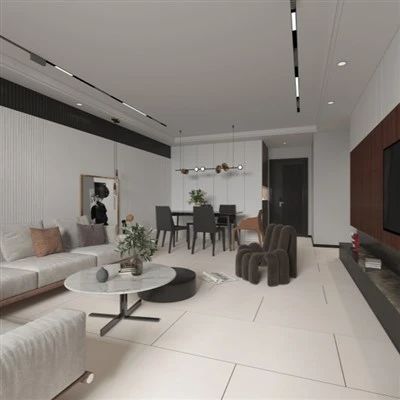
Introduction
Floor tiles play an important role in commercial construction, residential development, and interior renovation projects. For international buyers, selecting suitable floor tiles involves more than appearance. Product specifications, surface performance, dimensional consistency, production capacity, and supply stability all influence purchasing decisions.
As demand for durable and easy-to-maintain flooring materials continues across different construction markets, importers, distributors, contractors, and project developers are paying closer attention to the technical characteristics of ceramic and porcelain flooring products. Understanding these factors helps buyers evaluate different product ranges and make more informed sourcing decisions.
1. Different Types of Floor Tiles for Various Applications
The flooring requirements of a commercial building are different from those of a residential property. Therefore, selecting the appropriate tile type should begin with the intended application.
Porcelain floor tiles are widely used in residential and commercial spaces because of their low water absorption and relatively high mechanical strength. They are suitable for living rooms, hotel corridors, shopping areas, offices, and other locations where regular use requires durable flooring materials.
Ceramic floor tiles provide another option for interior applications. They are available in different colors, patterns, and surface finishes, allowing designers and distributors to serve a broad range of market preferences.
Large-format floor tiles have also become an important product category in contemporary architectural projects. Sizes such as 600×1200 mm and 750×1500 mm can create a more continuous visual effect by reducing the number of grout joints. These formats are frequently considered for hotel lobbies, living areas, and large commercial interiors.
For importers, maintaining a product range that covers different sizes, finishes, and applications can help meet the requirements of different customer groups.
2. Surface Finishes and Their Practical Differences
The surface finish directly affects the appearance, maintenance requirements, and intended application of floor tiles.
Polished floor tiles feature a smooth, reflective surface that helps distribute light throughout an interior. They are commonly selected for living rooms, hotel reception areas, and other spaces where a brighter visual effect is preferred.
Matte floor tiles offer a more understated appearance. Their non-reflective surface works well with contemporary, industrial, and minimalist interior styles. Depending on the product specifications, certain matte finishes can also provide improved surface grip for appropriate applications.
Glazed floor tiles provide considerable flexibility in decorative design. Digital printing technology allows manufacturers to reproduce stone patterns, cement textures, wood grains, and other visual effects. This makes glazed products suitable for projects that require consistent decorative styles across different interior spaces.
When comparing surface finishes, buyers should consider not only appearance but also cleaning requirements, slip resistance, and the conditions in which the tiles will be installed.
3. Popular Designs in the International Floor Tile Market
Design preferences vary between countries and regions, but several decorative categories remain important in international tile distribution.
Marble-look floor tiles are frequently used in residential developments, hotels, and commercial interiors. Their natural stone patterns provide a decorative appearance while offering the practical characteristics of ceramic or porcelain materials. White marble patterns with subtle grey veins are particularly suitable for bright and contemporary spaces, while darker designs are often used in more contrasting interior schemes.
Wood-look floor tiles reproduce the grain and color variations of natural timber. They are frequently selected for bedrooms, living rooms, hospitality projects, and other interiors where a warm appearance is required. Unlike natural wood flooring, porcelain wood-look tiles are not affected by moisture in the same way, provided that the product is correctly specified and installed.
Cement-look floor tiles are another common option for modern architectural projects. Their relatively simple patterns and neutral colors work well in commercial interiors, restaurants, offices, and contemporary residential developments.
Grey, beige, ivory, and off-white remain useful color categories for distributors because they can be incorporated into different design concepts without requiring highly specific interior styles.
For wholesale buyers, choosing designs with broad application potential can help maintain a more flexible inventory.
4. Technical Specifications Buyers Should Evaluate
Product appearance is important, but technical specifications determine whether a flooring product is suitable for a particular project.
Water absorption is one of the main characteristics used to distinguish porcelain tiles from other ceramic products. Under the ISO 13006 classification system, porcelain tiles generally have a water absorption rate of no more than 0.5%. This characteristic makes them suitable for many interior and exterior applications when other relevant technical requirements are also satisfied.
Abrasion resistance is another consideration, particularly for flooring installed in hotels, shopping centers, offices, and public buildings. Buyers should check the relevant test results and determine whether the product is appropriate for the expected level of foot traffic.
Slip resistance should also be evaluated according to the installation environment. Bathrooms, entrances, commercial kitchens, and outdoor areas may require different surface characteristics. A polished surface that works well in a dry living room may not be appropriate for an area frequently exposed to water.
Dimensional accuracy is equally important. Consistent length, width, thickness, and flatness help installers maintain uniform grout joints and achieve a more consistent finished surface.
For importers purchasing in bulk, these specifications should be confirmed before production and shipment rather than relying only on product photographs or showroom samples.
5. Size Selection and Project Requirements
Floor tile dimensions influence both installation efficiency and the final appearance of a space.
Smaller formats are still used in bathrooms, compact rooms, and areas requiring more detailed layouts. Medium-sized formats, including 600×600 mm tiles, remain common in residential and commercial flooring projects.
Larger formats, such as 600×1200 mm and 750×1500 mm, are increasingly considered for spacious interiors. Their larger surface area can create a more continuous appearance and reduce the number of visible grout lines.
However, large-format tiles require careful consideration of substrate flatness, handling, transportation, and installation methods. Buyers should ensure that the selected dimensions are appropriate for the project conditions and local installation practices.
For distributors, offering several commonly requested dimensions can provide greater flexibility when serving contractors, retailers, and project-based customers.
6. Quality Control During Floor Tile Production
Consistent quality is essential for manufacturers supplying overseas markets. For large-volume orders, even relatively small variations between production batches can create difficulties during installation.
A structured production inspection process should cover several important stages.
First, raw materials and body preparation influence the stability of the finished product. Consistent material composition helps maintain the expected physical characteristics throughout production.
Second, forming and pressing processes affect tile dimensions, thickness, and density. Proper process control helps reduce dimensional variation and other production defects.
Third, firing conditions influence the final strength, water absorption, and surface characteristics. Temperature control and production monitoring are therefore important parts of manufacturing management.
Finally, finished products should be inspected for surface defects, dimensional consistency, shade differences, and packaging conditions.
For international buyers, requesting samples and confirming product specifications before placing a large order can help reduce purchasing risks. For repeat orders, maintaining consistent product references and communicating batch requirements are also important.
7. Packaging and Transportation for Export Orders
Packaging is an important part of international floor tile supply because ceramic products are relatively fragile during handling and transportation.
Export packaging generally involves protective cartons, internal separators where required, corner protection, and suitable pallets. The packaging method should be selected according to tile dimensions, product thickness, order quantity, and transportation conditions.
Container loading also requires proper planning. Weight distribution, pallet arrangement, and available container space should be considered to reduce the possibility of damage during transportation.
For importers and distributors, packaging details should be confirmed before shipment. Clear carton labels, product codes, dimensions, quantities, and batch information can also make warehouse management and subsequent distribution more efficient.
Reliable communication between manufacturers, buyers, and logistics providers helps reduce misunderstandings during the export process.
8. What Importers Should Consider When Choosing a Floor Tile Manufacturer
Selecting a suitable manufacturer is an important decision for overseas buyers, especially when purchasing products for distribution or long-term construction projects.
One important factor is product range. A manufacturer offering different floor tile designs, sizes, and surface finishes can provide more options for distributors with different market requirements.
Production capacity is another consideration. Buyers should understand whether the factory can meet the required order quantity and production schedule. This is particularly important for projects involving multiple product specifications or repeat orders.
Communication and documentation should not be overlooked. Clear quotations, product specifications, sample confirmation, packaging details, and production updates help buyers manage the purchasing process.
Manufacturing location can also be relevant when evaluating suppliers. Zibo, Shandong Province, is one of China's established ceramic production areas, with a developed industrial supply chain and experience in ceramic product manufacturing.
For overseas importers, working with a manufacturer familiar with export procedures can help coordinate product preparation, packaging, and international shipment more efficiently.
9. Market Considerations for Wholesale Floor Tile Buyers
Wholesale purchasing requires a different approach from selecting tiles for an individual renovation project. Importers and distributors need to consider product turnover, local design preferences, storage conditions, and customer demand.
Neutral colors and widely used dimensions can form the foundation of a practical product range. Decorative designs, including marble-look and wood-look tiles, can supplement standard collections and provide additional choices for specific customer groups.
Order planning is also important. Buyers should evaluate minimum order quantities, production lead times, available stock, and the possibility of repeat purchases. These details influence inventory costs and the ability to supply local customers consistently.
For project buyers, product selection should be based on approved samples and documented technical requirements. Changes in size, finish, or color after production begins may affect installation planning and project coordination.
A clear purchasing specification helps both the manufacturer and buyer maintain consistent expectations throughout the order process.
Conclusion
The international floor tile market includes a wide range of products designed for different architectural applications and distribution requirements. Material properties, surface finishes, dimensions, quality control, and export packaging all contribute to the suitability of a product for overseas markets.
For importers, distributors, and construction companies, evaluating these factors before purchasing can help improve product selection and supply planning. For manufacturers in Zibo, China, understanding the requirements of international buyers is equally important when developing floor tile collections and managing export orders.
A practical approach that combines suitable product specifications, consistent manufacturing standards, and clear export communication provides a foundation for long-term cooperation in the global ceramic tile industry.

China Ceramic Tile Manufacturer
Golden State Ceramics has been deeply rooted in the ceramic industry for nearly two decades, collaborating with clients from over 50 countries to provide tailored ceramic tile solutions for diverse regional markets. In recent years, we have remained committed to staying ahead of market trends, developing more competitive products to meet the evolving needs of our global clientele.