Introduction
Floor tiles are an important material choice in residential, commercial, and public construction projects. Their performance affects not only the appearance of an interior but also long-term maintenance, installation efficiency, and overall project costs. For importers, distributors, contractors, and property developers, selecting suitable floor tiles requires attention to material composition, surface finish, size, durability, and supply consistency.
As international construction projects continue to demand practical and visually coordinated flooring materials, porcelain and ceramic floor tiles remain widely used across different market segments. Understanding their characteristics and application requirements helps B2B buyers make more informed purchasing decisions and develop product ranges that meet local market needs.
1. Different Types of Floor Tiles for Construction Projects
Floor tiles are available in various materials, each offering different characteristics and application possibilities. Ceramic and porcelain tiles are among the most commonly selected options in the international building materials market.
Ceramic floor tiles are generally suitable for residential interiors and areas with moderate traffic. They offer a wide selection of colors, patterns, and surface treatments, making them adaptable to different interior styles. Their relatively flexible production options also allow manufacturers to develop collections for different price levels.
Porcelain floor tiles are manufactured using refined raw materials and a controlled firing process. They generally have lower water absorption than ordinary ceramic tiles, making them suitable for applications where moisture resistance and surface durability are important. Depending on their technical specifications, they can be used in living rooms, kitchens, bathrooms, commercial interiors, and other frequently used spaces.
For wholesale buyers, understanding the differences between ceramic and porcelain products is important when developing a product portfolio. The appropriate choice depends on the target market, project requirements, expected traffic levels, and installation environment.
2. Surface Finishes and Their Practical Applications
Surface finish is an important consideration when selecting floor tiles because it influences both visual appearance and everyday use.
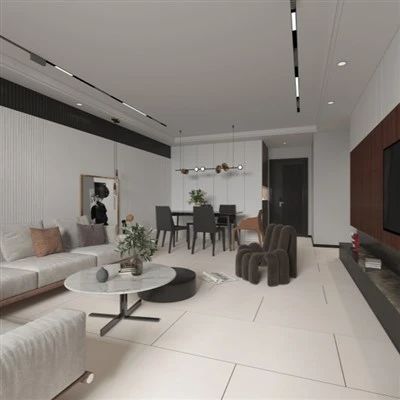
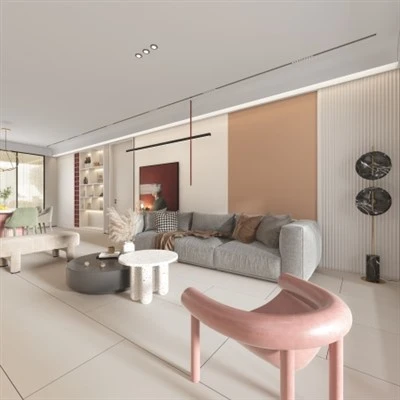
Polished floor tiles have a smooth, reflective surface that helps distribute light throughout an interior. They are commonly selected for living rooms, hotel lobbies, reception areas, and other spaces where a clean and spacious appearance is preferred. Marble-look and stone-look patterns are frequently combined with polished finishes to create a more refined visual effect.
Matte floor tiles provide a softer appearance with limited surface reflection. They are suitable for contemporary interiors, commercial spaces, and projects that require a natural or understated flooring style. Grey, beige, ivory, and other neutral colors are commonly used in matte tile collections because they can coordinate with different furniture and wall finishes.
Textured floor tiles feature surface variations that create a more natural appearance. Stone-look, cement-look, and wood-look designs are common examples. Depending on their tested slip-resistance properties, certain textured products may also be considered for wet or frequently used areas.
For B2B buyers, surface selection should be based on the intended application rather than appearance alone. Slip resistance, cleaning requirements, and local building standards should all be considered before confirming an order.
3. Floor Tile Sizes and Layout Considerations
Tile dimensions influence installation methods, visual proportions, packaging, and transportation. Different markets may have different preferences depending on construction practices and project specifications.
Common floor tile sizes include 600×600 mm, 600×1200 mm, 750×1500 mm, and other large-format dimensions. Smaller square tiles remain practical for many residential and renovation projects, while larger formats are frequently selected for modern apartments, hotels, shopping centers, and commercial interiors.
Large-format floor tiles can reduce the number of visible joints across a floor, creating a more continuous appearance. However, they also require appropriate handling, substrate preparation, and installation techniques. Contractors need to consider the flatness of the installation surface, adhesive compatibility, and the experience of the installation team.
For distributors and importers, offering several dimensions within a coordinated design collection can help address different project requirements. It is also important to confirm actual product dimensions, thickness, edge treatment, and dimensional tolerances before purchasing.
4. Popular Designs in the International Floor Tile Market
Design preferences vary between countries and project categories, but several styles have maintained a stable presence in the international market.
Marble-look floor tiles remain widely used in residential and commercial interiors. Their patterns reproduce the visual characteristics of natural marble while offering the production consistency associated with ceramic and porcelain materials. White marble-look tiles with subtle grey veins are frequently used in modern interiors, while darker patterns provide a stronger visual contrast.
Wood-look floor tiles combine the appearance of natural wood with the practical characteristics of ceramic materials. Their plank-shaped dimensions and printed grain patterns make them suitable for bedrooms, living rooms, hotels, and selected commercial spaces. Compared with natural wood flooring, porcelain wood-look tiles can offer better resistance to moisture when correctly specified and installed.
Stone-look floor tiles reproduce the textures and color variations of natural stone. Travertine, limestone, and other stone-inspired designs are commonly used in projects that require a natural visual effect. Beige and grey tones are particularly adaptable to different architectural styles.
Concrete-look floor tiles are frequently associated with contemporary and industrial interiors. Their relatively simple color patterns make them suitable for commercial buildings, offices, retail spaces, and modern residential projects.
For importers, these design categories provide different opportunities for product positioning. Maintaining a balanced selection of classic and contemporary patterns can help distributors serve a wider range of customers.
5. Technical Performance and Quality Requirements
Appearance is only one part of floor tile selection. Technical performance is equally important, particularly for commercial projects and large-volume orders.
Water absorption is an important indicator when evaluating ceramic and porcelain tiles. Lower water absorption is generally associated with porcelain products and can be beneficial in applications exposed to moisture. Buyers should request relevant test reports and verify that the products meet the requirements of their destination markets.
Wear resistance is another factor to consider. Floor tiles installed in residential bedrooms may face different conditions from those used in shopping centers, hotels, or public corridors. The expected foot traffic should therefore influence product selection.
Slip resistance deserves particular attention in bathrooms, kitchens, entrances, and other areas where floors may become wet. Surface appearance alone cannot determine whether a tile is suitable for these environments. Buyers should check the relevant test results and applicable local standards.
In addition, dimensional accuracy, flatness, edge quality, surface consistency, and color variation all influence the final installation result. For large projects, maintaining consistency between different production batches is especially important.
Before placing a bulk order, distributors and project purchasers should review product samples, technical specifications, and quality inspection requirements.
6. Factors Affecting Floor Tile Purchasing Decisions
For international B2B buyers, purchasing decisions usually involve more than the unit price of a product. Several factors can influence the overall value of an order.
First, product specifications should match the requirements of the intended market. Tile dimensions, thickness, finish, packaging, and technical standards may differ between countries. Importers should confirm these details before production begins.
Second, supply stability is important for distributors and construction projects. A supplier should have a clear understanding of production arrangements, order quantities, and expected delivery schedules. For repeat orders, the ability to maintain similar product specifications and appearance is particularly valuable.
Third, packaging and transportation arrangements should be considered. Floor tiles are relatively heavy and require suitable protective packaging during international transportation. Carton strength, pallet arrangement, corner protection, and container loading all contribute to reducing transportation-related damage.
Finally, communication efficiency can affect the entire purchasing process. Clear confirmation of product details, order quantities, production schedules, and shipping arrangements helps reduce misunderstandings between suppliers and overseas buyers.
7. Manufacturing and Export Considerations
China remains an important source of ceramic and porcelain tiles for international markets. Different manufacturing regions have developed production capabilities covering a broad range of tile designs, sizes, and surface finishes.
Zibo, Shandong, is one of China's established ceramic production areas. Local manufacturers serve different domestic and overseas markets through a range of ceramic and porcelain products.
For overseas buyers, working with a Chinese floor tile manufacturer involves several stages, including product selection, sample confirmation, specification checking, order placement, production, quality inspection, and shipment preparation.
Before confirming an order, buyers should clarify whether the required products are available from existing stock or need to be manufactured. Stock products may have shorter delivery arrangements, while customized or production orders require additional manufacturing time.
For regular wholesale purchasing, maintaining clear records of product codes, dimensions, finishes, and batch information can also make future replenishment easier.
8. The Importance of a Balanced Floor Tile Product Range
A well-organized floor tile collection can help distributors respond to different customer requirements without maintaining an unnecessarily complicated inventory.
For example, neutral-colored polished tiles can serve residential and hospitality projects, while matte stone-look products can address contemporary commercial interiors. Wood-look tiles provide another option for customers seeking a natural flooring appearance with ceramic material characteristics.
Product selection should also consider local market preferences. Some regions favor large-format tiles, while others continue to purchase traditional square dimensions. Climate conditions, installation practices, construction regulations, and purchasing habits may also influence demand.
For manufacturers and distributors, reviewing market feedback and sales performance can help identify which sizes, colors, and surface finishes deserve greater attention. This approach supports more practical inventory planning and reduces the risk of purchasing products that do not match actual market demand.
Conclusion
Floor tiles play an important role in modern construction, combining functional requirements with architectural design. Material composition, surface finish, dimensions, technical performance, and supply arrangements all influence the suitability of a product for different applications.
For overseas importers, wholesalers, distributors, and project contractors, understanding these factors helps improve purchasing decisions and product planning. A reliable supply arrangement also depends on clear specifications, consistent quality control, suitable packaging, and effective communication throughout the export process.
As an established ceramic production area, Zibo, China, provides overseas buyers with access to a variety of floor tile products and manufacturing options. By evaluating product characteristics and matching them with local market requirements, B2B buyers can develop more suitable flooring collections for residential, commercial, and large-scale construction projects.

China Ceramic Tile Manufacturer
Golden State Ceramics has been deeply rooted in the ceramic industry for nearly two decades, collaborating with clients from over 50 countries to provide tailored ceramic tile solutions for diverse regional markets. In recent years, we have remained committed to staying ahead of market trends, developing more competitive products to meet the evolving needs of our global clientele.