Introduction
Floor tiles play an important role in commercial construction, residential developments, and interior renovation projects. For international buyers, selecting suitable products involves more than appearance. Technical performance, surface finishes, dimensional consistency, production capacity, and supply stability all influence purchasing decisions.
As demand for durable and visually consistent flooring materials continues across different markets, architects, contractors, distributors, and importers are paying closer attention to product specifications and manufacturing standards. Understanding these factors helps buyers evaluate floor tiles more effectively and select products that meet the requirements of different projects.
1. Understanding Different Types of Floor Tiles
Flooring materials are available in various types, with ceramic and porcelain tiles being widely used in residential and commercial applications. Although they share similar manufacturing processes, their properties and suitable applications can differ.
Porcelain floor tiles are generally characterized by low water absorption and a dense body. These properties make them suitable for areas where moisture resistance and durability are important. They are commonly specified for living rooms, hotel corridors, shopping centers, and other spaces with regular foot traffic.
Ceramic floor tiles offer flexibility in design, color, size, and surface treatment. They are frequently used in residential interiors and selected commercial environments where the required performance can be achieved through appropriate product specifications.
For importers and distributors, understanding the differences between these categories is important when developing a product range. Product selection should consider the intended installation environment rather than relying on appearance alone.
2. Surface Finishes and Their Applications
Surface finish is one of the main factors affecting the appearance and practical performance of floor tiles. Different finishes create different visual effects and respond differently to lighting, cleaning, and daily use.
Polished floor tiles have a smooth, reflective surface that can make interior spaces appear brighter and more open. They are commonly selected for living rooms, hotel lobbies, showrooms, and other interior areas where a clean and refined appearance is required.
Matte floor tiles provide a softer visual effect with limited surface reflection. They are suitable for contemporary residential projects, commercial interiors, and spaces designed around natural or understated materials. Their actual slip resistance should be confirmed through relevant test data rather than judged by appearance alone.
Glazed floor tiles offer a wide range of decorative possibilities. Their surfaces can reproduce marble patterns, stone textures, concrete effects, and other visual styles. This flexibility allows manufacturers to develop collections for different architectural preferences and market requirements.
For B2B buyers, surface finish should be evaluated alongside maintenance requirements, intended application, and local market preferences.
3. Tile Size and Layout Considerations
Tile dimensions influence installation efficiency, visual proportions, and material planning. Different project types require different size combinations, so manufacturers and buyers need to consider dimensions during the early stages of product selection.
Small-format tiles are often used in bathrooms, kitchens, and areas with detailed layouts. Medium-sized tiles remain common in residential flooring because they offer flexibility across different room configurations.
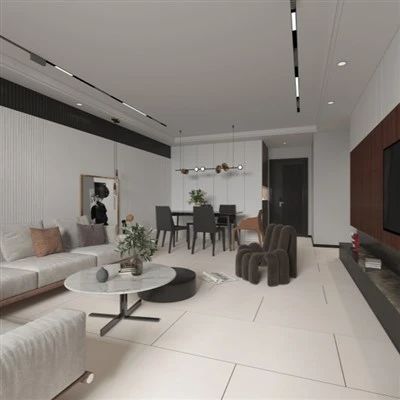
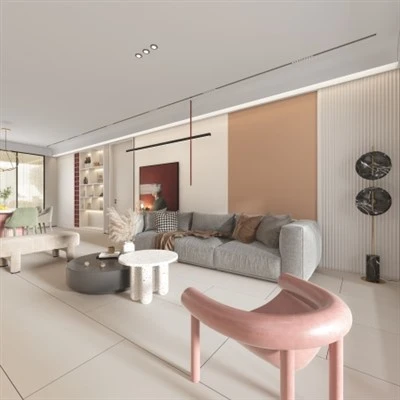
Large-format porcelain floor tiles are increasingly specified for modern interiors. Larger surfaces can reduce the number of visible grout joints and create a more continuous appearance. They are frequently considered for hotels, apartments, commercial buildings, and spacious living areas.
However, larger dimensions also require careful attention to flatness, dimensional tolerance, packaging, transportation, and installation conditions.
When purchasing in bulk, buyers should confirm the actual dimensions, thickness, caliber, and available specifications. Consistency between production batches is particularly important for distributors and contractors handling multiple projects.
4. Design Trends in International Floor Tile Markets
Floor tile preferences vary across regions, but several design directions remain relevant to international construction and renovation projects.
Natural stone effects continue to attract attention because they provide a connection with traditional materials while offering the manufacturing consistency of ceramic products. Marble-look tiles, travertine patterns, and limestone-inspired surfaces are frequently used in residential and hospitality interiors.
Wood-look tiles are another established category. They combine wood-inspired patterns with the practical characteristics of ceramic materials. These products are often selected for bedrooms, living rooms, hotels, and selected commercial spaces where a natural appearance is desired.
Neutral colors also remain important in many architectural projects. Beige, grey, ivory, and off-white provide flexible backgrounds for different furniture styles and interior materials.
Concrete-look tiles are also used in contemporary commercial and residential designs. Their relatively understated appearance makes them suitable for minimalist interiors, retail spaces, and modern office environments.
For overseas distributors, maintaining a balanced selection of colors, patterns, and surface finishes can help meet the needs of different customer groups without creating an unnecessarily complicated inventory structure.
5. Technical Performance and Quality Control
Appearance is only one part of floor tile evaluation. Technical performance is equally important, particularly for commercial projects and large-volume procurement.
Water absorption is an important specification when evaluating porcelain and ceramic products. Low water absorption is one of the defining characteristics of porcelain tiles and is relevant to applications exposed to moisture.
Wear resistance should also be considered according to the expected traffic conditions. Areas such as shopping centers, hotel corridors, and public buildings may require products with different performance levels from those used in private residential spaces.
Slip resistance is another consideration, especially in bathrooms, entrances, kitchens, and other potentially wet areas. Buyers should request applicable test results and confirm that the selected product meets local building requirements.
Dimensional accuracy and flatness also affect installation quality. Variations in tile thickness, length, or width can create difficulties during installation and influence the final appearance.
For manufacturers, quality control should cover raw material preparation, pressing, glazing, firing, sorting, and final inspection. Maintaining consistent production conditions helps reduce differences between batches and supports more reliable bulk supply.
6. Choosing Floor Tiles for Different Project Types
Different projects have different technical and visual requirements. A product suitable for a residential apartment may not necessarily meet the needs of a hotel or public building.
In residential developments, buyers often prioritize design consistency, easy maintenance, suitable dimensions, and cost control. Neutral-colored floor tiles and marble-look collections are commonly considered for living rooms, bedrooms, and shared spaces.
Hotels and hospitality projects usually require a coordinated selection of flooring materials. Public areas may need products with higher wear resistance, while guest rooms may focus more on appearance and maintenance.
Retail and office projects often require a balance between durability and interior design. The expected level of foot traffic, cleaning frequency, and installation conditions should be considered before confirming specifications.
For distributors and wholesalers, product versatility is also important. Collections that include multiple sizes, colors, and surface finishes can serve different customer requirements and support a more flexible inventory strategy.
7. What Importers Should Check Before Placing Bulk Orders
International procurement involves several factors beyond product selection. Before confirming an order, importers should review the manufacturer's production arrangements, quality standards, packaging details, and export experience.
First, product specifications should be clearly confirmed. These include dimensions, thickness, surface finish, water absorption, and relevant performance test results. Sample approval is also useful for checking color, texture, and surface details before mass production.
Second, buyers should understand the manufacturer's production capacity and delivery arrangements. For large projects, production schedules need to match construction plans. Stock availability and made-to-order production may involve different lead times.
Third, packaging and loading should be reviewed. Floor tiles are fragile during transportation, so suitable cartons, internal protection, pallet arrangements, and container loading methods are important for reducing damage.
Buyers should also confirm whether different batches can maintain consistent specifications and appearance. This is particularly relevant when an order is divided into multiple shipments or when additional quantities may be required later.
Finally, communication and after-sales procedures should be established before cooperation begins. Clear arrangements for product inspection, transportation, documentation, and quality-related issues can help reduce uncertainty during international transactions.
8. The Role of Chinese Floor Tile Manufacturers in Global Supply
China remains an important source of ceramic and porcelain products for international construction and distribution markets. Manufacturing regions such as Zibo in Shandong Province have an established ceramic industry and supply products for different overseas markets.
For international buyers, working with a Chinese floor tile manufacturer provides access to a broad selection of product designs, dimensions, and surface treatments. Manufacturers can also offer different production arrangements according to order quantities and product specifications.
However, buyers should evaluate suppliers based on actual manufacturing capabilities, quality consistency, communication efficiency, and export arrangements rather than location alone.
A reliable supply relationship requires clear technical requirements and effective coordination throughout the purchasing process. This is particularly important for distributors, developers, and contractors managing long-term projects.
Conclusion
Selecting suitable floor tiles requires a comprehensive understanding of product design, technical specifications, installation conditions, and supply arrangements. Surface finish, dimensions, wear resistance, water absorption, and quality consistency all influence whether a product is appropriate for a particular project.
For international importers and distributors, these considerations are also closely connected to inventory planning, transportation costs, and long-term supplier relationships.
As global construction projects continue to require flooring materials with different technical and visual characteristics, manufacturers need to maintain stable production standards and provide clear product information. Careful evaluation of both product performance and supplier capabilities helps buyers make more informed procurement decisions.

China Ceramic Tile Manufacturer
Golden State Ceramics has been deeply rooted in the ceramic industry for nearly two decades, collaborating with clients from over 50 countries to provide tailored ceramic tile solutions for diverse regional markets. In recent years, we have remained committed to staying ahead of market trends, developing more competitive products to meet the evolving needs of our global clientele.