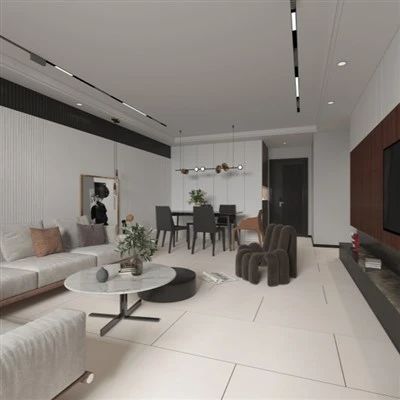
Understanding the Changing Requirements for Floor Tiles
Floor tiles play an important role in both residential construction and commercial development. As building projects become more diverse, buyers are paying closer attention to tile specifications, surface finishes, durability, and long-term maintenance. For importers, distributors, architects, and construction companies, selecting suitable flooring materials requires more than comparing colors and prices.
Different projects have different technical and visual requirements. A residential apartment may prioritize comfort and easy maintenance, while a hotel, shopping center, or office building may require flooring materials that can withstand frequent foot traffic. Understanding these differences helps buyers make more suitable purchasing decisions and reduces potential problems during installation and daily use.
For international buyers sourcing from China, working with an experienced floor tile manufacturer also involves evaluating production consistency, product specifications, packaging standards, and supply capacity. These factors are particularly important for wholesale orders and long-term distribution.
1. How Project Requirements Influence Floor Tile Selection
The intended application should be the starting point when selecting flooring materials. Although many tiles share similar decorative appearances, their performance requirements can vary considerably.
In residential projects, living rooms, bedrooms, kitchens, and bathrooms have different environmental conditions. Living rooms generally require surfaces that are easy to clean and visually compatible with furniture and interior decoration. Kitchen floors need to withstand regular cleaning, food stains, and daily movement. Bathroom floors require particular attention to slip resistance and moisture-related conditions.
Commercial projects often involve more demanding usage patterns. Hotels, restaurants, retail stores, offices, and public buildings may experience continuous pedestrian traffic. In these environments, wear resistance, surface maintenance, and installation quality become important considerations.
For distributors and project contractors, understanding the end-use environment makes it easier to select the appropriate porcelain floor tiles or ceramic flooring products. It also helps prevent situations where a product looks suitable in a sample but does not meet the actual requirements of the project.
2. Material Composition and Manufacturing Quality
The composition of a floor tile directly influences its physical properties. Ceramic tiles and porcelain tiles are two common categories in the international flooring market.
Ceramic floor tiles are generally used in applications where their specifications meet the required performance standards. They are available in different designs, sizes, and finishes, making them suitable for a variety of interior projects.
Porcelain tiles are manufactured using carefully selected raw materials and controlled firing processes. Their relatively low water absorption makes them suitable for many areas where moisture resistance is an important consideration. They are commonly specified for residential and commercial flooring applications.
During production, several factors influence the final quality of a tile, including raw material preparation, pressing pressure, drying conditions, firing temperature, and glazing processes.
Manufacturing consistency is particularly important for wholesale buyers. Variations in dimensions, thickness, surface appearance, or color between production batches can create difficulties during installation, especially in large commercial projects.
A reliable floor tile factory should therefore maintain consistent production procedures and conduct quality inspections throughout the manufacturing process.
3. Popular Floor Tile Sizes in the International Market
Tile dimensions influence both the appearance of a finished space and the practical requirements of installation.
Smaller formats remain relevant in residential renovation, bathrooms, and areas where detailed layouts are required. Medium-sized formats are widely used in apartments, houses, hotels, and commercial interiors.
Large-format tiles have also become increasingly common in modern architectural projects. Sizes such as 600×1200 mm and 750×1500 mm can create a more continuous visual effect by reducing the number of grout joints across a floor.
For architects and developers, large-format floor tiles offer greater flexibility in designing open living spaces, hotel interiors, and commercial environments. However, installation requires suitable substrate preparation, handling equipment, and professional installation techniques.
When purchasing large quantities, buyers should also consider carton specifications, pallet arrangements, container loading efficiency, and transportation protection.
The choice of tile size should be based on project dimensions, installation conditions, local market preferences, and the capabilities of the installation team.
4. Surface Finishes and Their Practical Applications
Surface finish is another important factor in flooring selection. It affects the appearance, cleaning requirements, and functional characteristics of a finished floor.
Polished tiles feature a smooth, reflective surface that can enhance brightness and create a spacious visual impression. They are commonly used in living rooms, hotel lobbies, reception areas, and other interior spaces where a refined appearance is preferred.
Matte tiles have a softer visual effect and generally produce less reflected light. Their understated appearance makes them suitable for contemporary residential interiors, commercial spaces, and minimalist architectural designs.
For certain applications, textured surfaces provide additional visual depth and can contribute to improved slip performance when properly specified. However, buyers should not assume that every textured or matte tile automatically provides adequate slip resistance. Relevant test results and local building requirements should always be considered.
Glazed floor tiles offer a wide range of decorative possibilities. Through different glazing and printing technologies, manufacturers can reproduce the appearance of natural stone, marble, cement, and wood.
For importers, understanding the differences between finishes helps create product collections that serve different customer groups without relying on a single decorative style.
5. Design Trends in Modern Floor Tile Applications
Flooring design continues to evolve alongside changes in architecture and interior decoration. While neutral colors remain widely used, buyers are increasingly interested in surface details, natural textures, and coordinated material combinations.
Grey floor tiles are frequently selected for contemporary interiors because they can complement metal, glass, wood, and neutral-colored furniture. Light beige and warm ivory tones are also used in residential and hospitality projects to create a softer atmosphere.
Marble-look tiles remain relevant in spaces where designers want the visual characteristics of natural marble combined with the practical properties of manufactured ceramic products.
Wood-look floor tiles provide another option for projects that require a natural wood appearance. They can be considered in areas where conventional wood flooring may require more maintenance or may not be suitable for the expected environmental conditions.
Concrete-look and stone-look designs are also used in commercial interiors, particularly in projects featuring industrial, minimalist, or contemporary architectural styles.
For tile distributors, maintaining a balanced product range is important. A collection that includes neutral colors, natural textures, and different surface finishes can address a wider range of market requirements.
6. Performance Requirements for Different Environments
Appearance is only one part of floor tile selection. Physical performance should also be evaluated according to the intended application.
Water absorption is an important specification, particularly for bathrooms, kitchens, and other areas exposed to moisture. Buyers should review the relevant product classification and test documentation before confirming an order.
Wear resistance is another consideration in commercial flooring. Areas with frequent pedestrian movement may require products with suitable abrasion resistance and surface durability.
Slip resistance should receive particular attention in wet areas, entrances, and public spaces. The appropriate performance level depends on the environment, applicable regulations, and the selected testing method.
Dimensional accuracy also affects installation quality. Consistent length, width, thickness, and flatness help installers maintain regular joints and achieve a more uniform finished surface.
For international projects, buyers should confirm that the product specifications meet the relevant standards in the destination market rather than relying only on general product descriptions.
7. What Importers Should Consider When Purchasing Floor Tiles in Bulk
Bulk purchasing involves several considerations beyond the unit price. For overseas importers and wholesalers, product consistency and supply arrangements can directly affect business operations.
First, buyers should confirm the available sizes, finishes, colors, and technical specifications. Product samples can help evaluate surface appearance, color variation, and texture before a larger order is placed.
Second, production capacity and lead time should be considered. For project-based orders, delayed delivery may affect construction schedules. Buyers should confirm whether products are available in stock or require a new production arrangement.
Third, packaging plays an important role in international transportation. Suitable cartons, internal protection, and pallet arrangements help reduce the risk of damage during handling and shipping.
Fourth, buyers should confirm the quantity per carton, carton dimensions, gross weight, and loading plan. These details are useful for calculating container capacity and estimating transportation costs.
Finally, communication and after-sales support should not be overlooked. Clear product documentation, timely responses, and an established process for handling quality concerns can help reduce uncertainty throughout the purchasing process.
For companies sourcing floor tiles wholesale, these factors are important when evaluating suppliers and planning repeat orders.
8. Why Production Consistency Matters for Long-Term Supply
For distributors and construction companies, a single successful shipment does not necessarily guarantee a stable supply relationship. Repeat orders may involve the same product specifications across different production periods.
Differences in raw materials, production conditions, and surface treatment can influence the final appearance of tiles. Therefore, maintaining consistency between batches is an important part of manufacturing management.
A professional floor tile supplier should pay attention to product identification, production records, inspection procedures, and packaging information. These practices help buyers identify products more easily and manage inventory across multiple orders.
For large projects, it is also advisable to calculate the required quantity carefully and reserve an appropriate allowance for cutting, installation losses, and future replacement needs.
When the same product is used across several rooms or building sections, ordering sufficient quantities from a coordinated production batch can help maintain a more consistent appearance.
9. Sourcing Floor Tiles from China
China remains an important source of ceramic and porcelain products for international construction and distribution markets. Buyers can access a wide range of product designs, sizes, finishes, and manufacturing options through different production regions.
Zibo, Shandong Province, is one of China's established ceramic production areas. Its ceramic industry provides a manufacturing base for different types of architectural tiles and related products.
For overseas buyers, sourcing from a Chinese floor tile manufacturer requires attention to more than product variety. Manufacturing experience, quality control, export packaging, order coordination, and communication are all relevant factors.
Before placing a bulk order, importers should review product samples, confirm technical specifications, discuss production schedules, and clarify shipping arrangements. These steps provide a clearer understanding of the supplier's capabilities and help establish realistic expectations for the order.
A well-organized sourcing process is particularly useful for distributors managing multiple product categories or contractors working with fixed project deadlines.
Conclusion
Selecting suitable floor tiles requires a balance between design, material properties, installation conditions, and purchasing requirements. Residential and commercial projects may have different priorities, but product consistency, appropriate specifications, and reliable supply arrangements remain important across both markets.
For importers, distributors, architects, and construction companies, understanding tile sizes, surface finishes, technical performance, and manufacturing processes can support more informed purchasing decisions.
As an established ceramic production area, Zibo continues to serve the international tile market through a range of ceramic and porcelain flooring products. By evaluating product quality and supplier capabilities carefully, overseas buyers can develop more stable sourcing arrangements for residential developments, commercial construction, and wholesale distribution.

China Ceramic Tile Manufacturer
Golden State Ceramics has been deeply rooted in the ceramic industry for nearly two decades, collaborating with clients from over 50 countries to provide tailored ceramic tile solutions for diverse regional markets. In recent years, we have remained committed to staying ahead of market trends, developing more competitive products to meet the evolving needs of our global clientele.