As a highly frequented space in the home, the quality of bathroom renovations directly impacts daily living standards. Tiles, as the primary material for bathroom decoration, not only determine the aesthetic appeal of the space but also significantly affect safety and comfort. This article will provide a thorough understanding of the key considerations for selecting and installing bathroom tiles, helping you create your ideal bathroom space.
I. Material Selection: Safety and Durability Are Paramount
Given the humid environment of bathrooms, the slip resistance of tiles should be the primary consideration. Choosing floor tiles with textured stripes or raised points on the surface can effectively increase friction and prevent slipping accidents.
Full-body tiles and glazed tiles are ideal choices for bathroom flooring due to their excellent slip resistance.
Water absorption is a critical indicator of bathroom tile quality. High-quality tiles have extremely low water absorption (typically below 0.5%), allowing them to dry quickly and avoid cracking or peeling due to temperature changes.
A simple testing method is to drip water on the back of the tile and observe its spread. The less water absorbed, the better the tile quality.
Wear and stain resistance are equally important. Bathroom tiles are prone to contact with various stains and must be sufficiently wear-resistant. An easy way to test is to scratch the tile surface with a hard object. If scratches appear, it indicates insufficient glazing and poor wear resistance.

II. Color Coordination: Light Tones Enhance Spatial Perception
For most small-sized homes, light-colored tiles are the preferred choice for bathrooms. Light tones reflect light, creating an optical illusion that makes the space appear more spacious and brighter.
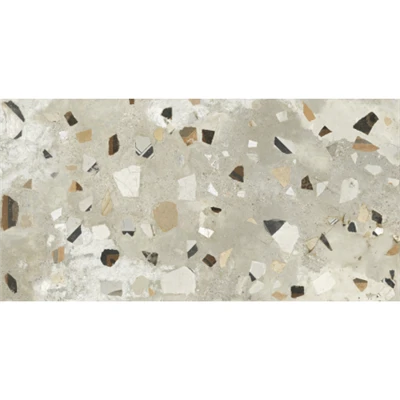
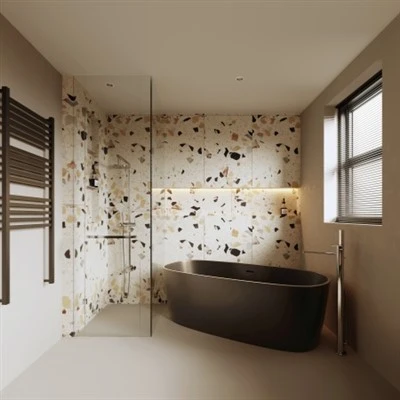
Fresh hues like light blue and light green provide a comfortable visual experience and enhance the sense of openness. For those seeking individuality, multi-color combinations or patterned tiles can be explored, though guidance from a professional designer is recommended.
The coordination between wall and floor tiles should not be overlooked. Wall and floor tiles should harmonize, and if necessary, changes in installation methods or the introduction of other materials can add variety to the space.
III. Installation Techniques: Details Determine Success
Pre-installation surface preparation is crucial. Walls must be thoroughly cleaned, and any cracks should be addressed beforehand. Applying a rough-textured treatment can increase wall adhesion and effectively prevent tile detachment.
Soaking tiles is an essential step. Dry tiles can absorb moisture from the cement, reducing adhesion. Before installation, tiles should be soaked for 24 hours until no air bubbles appear, then air-dried before laying. This significantly minimizes hollow spots and detachment.
The order of installation also matters: tiles should be laid from the inside out, wall tiles from the bottom up, with the bottommost tiles installed last. Leaving expansion joints is a key detail. Tiles expand with heat and moisture, and leaving gaps prevents hollow spots and detachment caused by compression.

IV. Size Selection and Post-Installation Maintenance
Bathroom tiles should not be overly large. Floor tiles of appropriate size can easily accommodate slope management.s, ensuring smooth drainage through floor drains.
Grouting should be done 24 hours after installation to ensure the tiles are completely dry and set. Regular maintenance with stain-removing paste and waterproofing agents can effectively prevent leaks and mold growth.
For daily cleaning, oxalic acid solutions or vitamin C can remove rust and stains, while hydrochloric acid is effective for cleaning soap residue. Regular maintenance preserves the tile's appearance and extends its lifespan.
V. Innovative Trends and Personalized Expression
As consumers increasingly seek personalized decoration, bathroom tile options have become more diverse. Patterned tiles or irregular color combinations offer designers greater creative freedom.
Texture has become a new focus in modern bathroom design. The texture of tiles is a key expression of this quality, and the thoughtful use of material properties can make bathrooms feel more natural and harmonious.
Porcelain tiles, known for their excellent vitrification, wear resistance, corrosion resistance, and long lifespan, are gradually becoming a market favorite.
With this comprehensive guide to bathroom tile selection and installation, you now have a clear understanding of how to create your ideal bathroom space. Remember, carefully chosen tiles are not just a decoration but an investment in your quality of life. In practice, consider the specific conditions of your bathroom and personal preferences to make the most suitable choices.