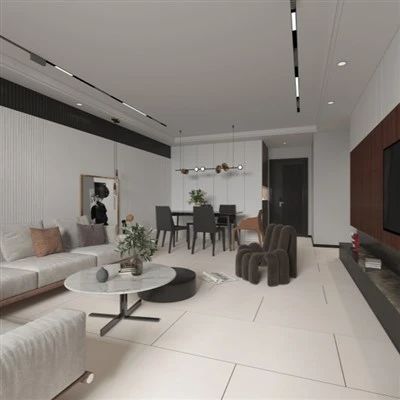
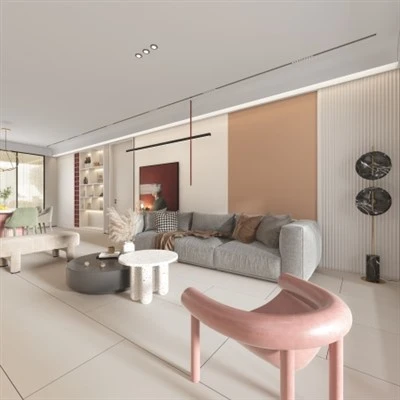
As the global construction and interior design market continues to develop, wood look tiles have become an increasingly important product category for tile distributors, wholesalers, contractors, developers, and project buyers. Combining the natural appearance of wood with the durability of ceramic and porcelain, wood-look tiles offer a practical solution for residential, commercial, and hospitality projects.
For overseas B2B buyers, sourcing wood look tiles is not only about selecting attractive colors and patterns. Product consistency, water absorption, surface performance, size accuracy, production capacity, packaging, and supplier reliability are equally important. As a tile manufacturer in Zibo, China, we understand that international buyers often need products that can meet both market trends and long-term supply requirements.
This article shares practical factory experience to help importers and distributors better understand the production, selection, and sourcing process of wood look tiles.
Why Wood Look Tiles Remain Popular in International Markets
Natural wood flooring has always been associated with warmth, comfort, and a natural interior style. However, real wood requires regular maintenance and may be affected by moisture, temperature changes, scratches, and heavy traffic. For this reason, many buyers are turning to porcelain wood look tiles and ceramic alternatives.
Wood-look tiles reproduce the visual characteristics of natural timber through digital printing and surface technology. Different wood grains, knots, color variations, and textures can be applied to the tile surface, creating designs that resemble oak, walnut, maple, ash, and other wood species.
For B2B customers, the main advantage is that one product category can serve multiple markets. Wood look floor tiles can be supplied for homes, apartments, hotels, retail stores, restaurants, offices, and other commercial spaces. This broad application helps distributors develop different customer groups without managing too many separate product categories.
Another important factor is durability. Compared with traditional wood flooring, porcelain and ceramic wood-look products generally offer better resistance to moisture and daily wear. This makes them particularly suitable for markets where customers prefer a wood appearance but require easier maintenance.
Understanding the Difference Between Ceramic and Porcelain Wood Look Tiles
When sourcing wood look tiles, international buyers should first understand the material structure and technical positioning of the product.
Ceramic wood-look tiles are commonly used for wall applications and selected floor applications depending on product specifications. They can offer competitive pricing and a wide range of decorative designs. For distributors targeting price-sensitive markets, ceramic products may provide a practical entry-level option.
Porcelain wood look tiles usually have lower water absorption and are suitable for a wider range of floor applications. They are commonly selected for residential flooring, commercial projects, kitchens, corridors, and other areas requiring stronger performance.
However, buyers should not select products based only on the name "porcelain" or "ceramic." Factory specifications should always be checked according to the target market and application. Important information may include water absorption, breaking strength, abrasion resistance, surface finish, thickness, dimensional tolerance, and slip resistance.
From a manufacturing perspective, clear communication about the final application is extremely important. A distributor purchasing tiles for residential decoration may focus more on design and price, while a project buyer may pay greater attention to technical performance and batch consistency.
Popular Sizes for Wood Look Floor Tiles
Size selection has a direct influence on production planning, container loading, installation, and market positioning.
Traditional rectangular plank sizes remain popular because they create a visual effect similar to natural wood flooring. Common formats include narrow and long rectangular tiles, as well as wider plank designs for modern interiors.
Smaller plank formats are often suitable for traditional residential markets and renovation projects. They can provide flexible installation patterns and are easier to use in smaller rooms.
Longer formats are increasingly used in modern apartments, villas, hotels, and commercial spaces. Large wood look floor tiles can create a more continuous visual effect and reduce the number of visible grout lines. However, larger sizes may also require stricter control during production, packaging, transportation, and installation.
For B2B buyers, it is useful to avoid building a product range with too many sizes at the beginning. A focused selection of popular formats can reduce inventory pressure and simplify purchasing. After identifying stable market demand, additional sizes and designs can be developed gradually.
A factory should also provide clear packing information for each size. Cartons per pallet, square meters per carton, gross weight, and container loading quantity can directly affect the buyer's purchasing calculation.
Color Selection and Market Trends
Color is one of the most important factors in the wood-look tile business. Even products with stable technical performance may have limited sales if the color does not match local design preferences.
Neutral colors generally provide broader market potential. Light oak, natural beige, warm gray, soft brown, and medium wood tones can be used in many different interior styles. These colors are suitable for residential and commercial projects because they are easier to combine with furniture, wall finishes, and lighting.
Gray wood-look designs continue to be used in contemporary interiors, while warmer natural colors are preferred in markets focusing on comfortable and organic design styles. Dark walnut-style products can also create a premium appearance, but distributors should carefully evaluate local demand before purchasing large quantities.
From our factory experience, buyers should select a balanced color range rather than ordering many similar designs. For example, a basic collection may include one light color, one natural wood color, one gray tone, and one darker option. This structure gives customers sufficient choice while keeping inventory easier to manage.
When developing customized products, buyers should also consider whether the selected color can maintain stable reproduction across production batches. Digital printing technology provides flexibility, but batch control remains an important part of quality management.
Surface Finish Is Important for Product Positioning
The surface finish of wood look tiles affects both appearance and practical performance.
Matte finishes are widely used because they provide a natural and modern appearance. A matte surface can also reduce strong light reflection and create a visual effect closer to natural wood.
Structured or textured surfaces are another popular option. These products may include wood grain relief that can improve the tactile feeling of the tile. Depending on the product design and technical requirements, textured surfaces may also be selected for applications requiring improved slip resistance.
For indoor projects, buyers often look for a balance between appearance, cleaning convenience, and surface performance. A heavily textured surface may create a stronger natural effect but can require more attention during cleaning. A smoother matte surface may be easier to maintain while still providing a wood-inspired appearance.
Therefore, when sourcing products, it is useful to request actual samples and evaluate them under different lighting conditions. Product images can help buyers select designs, but physical samples remain important for confirming color, texture, and surface details.
Production Consistency Matters for Importers
For international B2B customers, product consistency is often more important than purchasing a single attractive sample.
A tile may look excellent during sample confirmation, but large-volume orders require stable control throughout production. Differences in shade, size, surface texture, or printing can create problems during installation and distribution.
During the manufacturing process, several factors need to be controlled. Raw material preparation affects the tile body and physical performance. Pressing influences density and dimensional stability. Firing temperature must be properly controlled to achieve stable product quality. Digital printing and glazing processes affect the final appearance.
For porcelain wood look tiles, factories should pay close attention to dimensional consistency, surface quality, and shade control. Buyers should also discuss the supplier's quality inspection procedures before placing large orders.
It is common for tile production to involve shade variation, especially for products designed to imitate natural materials. However, intentional design variation should be different from uncontrolled production differences. A professional supplier should clearly manage production batches and provide suitable identification on packaging when necessary.
How B2B Buyers Can Evaluate a Wood Look Tile Supplier
Price is naturally important, but it should not be the only factor when selecting a supplier.
A competitive quotation may initially appear attractive, but buyers should consider the complete purchasing cost. Product quality, packing quality, loading efficiency, communication, production lead time, and after-sales response can all influence the final business result.
When evaluating a wood look tile manufacturer, overseas buyers may consider the following practical questions.
First, does the supplier have stable production capacity for repeat orders? A distributor may start with a trial container but require regular supply later. Production capability should therefore be evaluated from a long-term perspective.
Second, can the factory provide consistent products across different orders? Repeat purchasing is especially important for distributors and project buyers.
Third, does the supplier understand export packaging requirements? Tiles are heavy products, and proper internal protection, outer cartons, pallets, and container loading methods can help reduce transportation risks.
Fourth, can the supplier provide clear product information? Professional communication regarding size, thickness, finish, water absorption, packing, loading quantity, and production time helps buyers make purchasing decisions more efficiently.
Finally, buyers should evaluate communication speed and problem-solving ability. International trade involves production, shipping, customs documentation, and transportation. A responsive supplier can make the overall purchasing process more manageable.
Packaging and Container Loading Considerations
Packaging is an important but sometimes underestimated part of the tile export business.
For wood-look tiles, especially long plank formats, proper protection is necessary to reduce the risk of edge damage during transportation. Packaging requirements may vary depending on the destination market, transportation method, and customer requirements.
Standard export packing usually includes protective materials inside the carton and neutral or customized cartons outside. Pallet packing may also be required depending on the customer's warehouse and transportation requirements.
Container loading should be planned according to product weight and destination requirements. Buyers should not focus only on loading the maximum possible quantity. Proper weight distribution and secure loading are also important.
For distributors, clear packing information can improve warehouse management. Carton labels should normally provide product identification, size, quantity, shade or batch information when applicable, and other necessary details.
Customized packaging can also help importers build their own brand. Some customers prefer neutral cartons for flexible distribution, while others require private-label packaging for retail markets.
Customization Opportunities for International Buyers
Customization has become increasingly important in the global tile market. Instead of selling exactly the same products as competitors, many distributors are developing exclusive collections.
For wood look tiles, customization can include colors, wood grain patterns, surface finishes, sizes, packaging, and branding.
However, customized production should be based on realistic order quantities and production conditions. Buyers should discuss minimum order quantities, sample development time, production lead time, and potential additional costs before confirming a project.
From a factory perspective, the most efficient customization projects usually begin with a clear target market. For example, a distributor may already understand that light natural oak colors perform well in its market. The factory can then help develop several related designs instead of creating completely unrelated products.
This approach can improve collection consistency and make the final product range easier to market.
Applications for Wood Look Tiles
One major advantage of wood look tiles is their flexibility across different spaces.
In residential projects, they can be used in living rooms, bedrooms, kitchens, dining areas, and other indoor spaces depending on product specifications. Their wood-inspired appearance creates a warmer atmosphere compared with many traditional stone-look surfaces.
In commercial projects, wood-look products can be used in hotels, retail spaces, restaurants, offices, and public areas. The final product should be selected according to expected traffic and technical requirements.
For hospitality projects, designers often choose wood-look surfaces to create a natural and comfortable environment while maintaining the practical advantages of tile materials.
Outdoor or wet-area applications require additional evaluation. Buyers should confirm surface performance, slip resistance, frost resistance where necessary, and other relevant specifications before selecting products for these environments.
Building a Practical Wood Look Tile Product Range
For new distributors, it may not be necessary to purchase dozens of designs immediately.
A focused collection can often provide better inventory efficiency. Buyers can begin with several proven colors and one or two popular sizes. After monitoring customer feedback and sales performance, additional designs can be added.
A practical product range may include natural wood colors for mainstream residential customers, gray or modern tones for contemporary projects, and selected premium designs for higher-end applications.
It is also important to maintain continuity. Frequently changing every product can create inventory problems for distributors. Stable core designs combined with regularly updated new collections may provide a more balanced business strategy.
Conclusion
For global importers, distributors, wholesalers, and project buyers, wood look tiles remain a valuable category because they combine decorative flexibility with practical performance. However, successful sourcing depends on more than selecting attractive designs.
Material selection, size planning, color development, surface finish, quality consistency, packaging, container loading, and supplier communication all play important roles in the purchasing process.
When sourcing from a China-based manufacturer, B2B buyers should focus on long-term supply capability rather than only comparing initial prices. A reliable wood look tile manufacturer should be able to provide stable production, clear specifications, export-oriented packaging, and effective communication throughout the order process.
As a tile manufacturer in Zibo, China, we continue to focus on developing practical and market-oriented tile products for international customers. For buyers looking to expand their flooring collection, wood look tiles offer opportunities across residential, commercial, and project markets. By selecting the right designs and working with a stable supplier, importers can build a product range that meets both current market demand and long-term business requirements.

China Ceramic Tile Manufacturer
Golden State Ceramics has been deeply rooted in the ceramic industry for nearly two decades, collaborating with clients from over 50 countries to provide tailored ceramic tile solutions for diverse regional markets. In recent years, we have remained committed to staying ahead of market trends, developing more competitive products to meet the evolving needs of our global clientele.