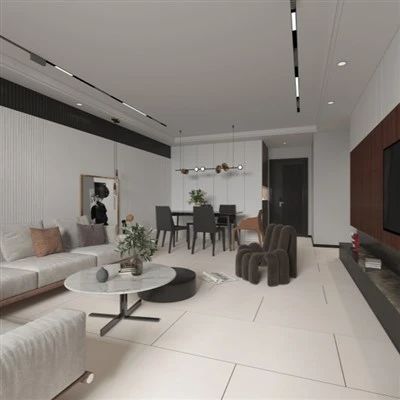
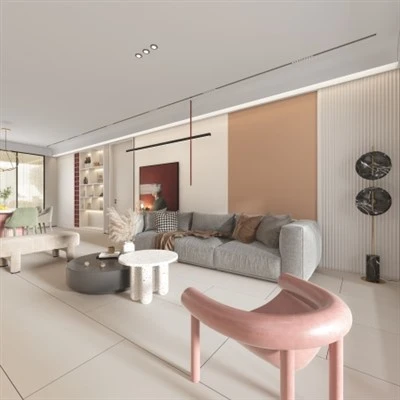
As interior design and construction markets continue to demand materials that combine natural appearance with reliable performance, wood look tile has become an increasingly important category for distributors, wholesalers, contractors, developers, and project buyers. Designed to reproduce the visual character of natural timber while maintaining the functional advantages of ceramic and porcelain materials, wood-effect tiles are now widely used in residential, commercial, hospitality, and public projects.
For international B2B buyers, sourcing wood look tile is not only about selecting attractive colors or wood grain patterns. Product consistency, size accuracy, surface performance, loading efficiency, production capacity, packaging, and supplier communication can all influence the success of a long-term purchasing program. For tile importers and project purchasers, understanding how these products are manufactured and evaluated can help reduce sourcing risks and improve purchasing efficiency.
This article examines the wood look tile category from a factory and export perspective, focusing on the practical issues international buyers should consider when sourcing wood-effect porcelain and ceramic tiles from China.
Why Wood Look Tile Remains Relevant in International Markets
Natural wood flooring offers warmth and visual comfort, but it also has limitations in environments exposed to moisture, frequent cleaning, temperature changes, or heavy traffic. In comparison, wood look porcelain tile can provide a timber-inspired appearance while offering advantages such as low water absorption, easier maintenance, wear resistance, and suitability for different installation environments.
This makes wood-effect tiles particularly suitable for projects where natural wood may require additional maintenance or may not perform well over time. Depending on the product specification and installation requirements, wood look tiles can be used in living areas, bedrooms, kitchens, bathrooms, retail spaces, hotels, restaurants, corridors, and other commercial environments.
From a B2B perspective, the category also offers significant flexibility. A single wood-look series can be developed in multiple colors, sizes, and surface finishes, allowing distributors to build a coordinated product range without sourcing completely different materials from multiple suppliers.
For example, buyers may select warm oak-inspired designs for residential markets, darker walnut-style patterns for commercial interiors, or gray and natural wood tones for modern architectural projects. This variety allows wholesalers and distributors to adapt their product portfolios to different regional preferences.
Understanding the Manufacturing Process
The quality of a wood look tile manufacturer is closely connected to production control. Although the finished product may appear similar to natural timber, producing a realistic wood-effect surface requires multiple stages of manufacturing and quality inspection.
The process normally begins with raw material preparation and body formulation. For porcelain products, carefully controlled raw materials are processed to create a dense and stable tile body. The material is then pressed into the required shape and size before the decorative process begins.
The wood grain pattern is one of the most important elements of the product. Modern production methods can create detailed textures that imitate natural wood features such as grain direction, knots, color variation, and surface depth. The objective is not simply to print a wood image onto the tile surface. For higher-value products, the visual design and surface texture need to work together to create a more natural appearance.
After decoration and glazing, tiles are fired at high temperatures. The firing process is critical because it affects dimensions, flatness, water absorption, strength, and overall appearance. Small differences in production control can influence how tiles perform during installation.
For export buyers, this means that factory capability should be evaluated beyond product photographs. A reliable supplier should have consistent production standards and inspection procedures to help ensure that repeat orders maintain stable quality.
Design Variety and Market Positioning
The growing popularity of wood effect porcelain tiles has created a broad range of designs in the international market. Buyers can now choose from traditional wood colors as well as contemporary tones that reflect changing architectural trends.
Common design directions include light oak, natural oak, walnut, maple, ash, gray wood, beige wood, and dark timber styles. Each design can create a different market position.
Light-colored wood-look tiles are often selected for bright residential interiors and modern commercial spaces. Beige and natural tones can create a warmer atmosphere and work well with neutral interior design schemes. Gray wood patterns are frequently used in contemporary projects, while darker designs may be suitable for more formal or luxury-oriented environments.
However, design selection should also consider the target market. A pattern that performs well in one country may not have the same commercial potential in another region. Importers should therefore evaluate local consumer preferences, project requirements, and existing product competition before placing large-volume orders.
For this reason, experienced buyers often prefer to develop a balanced range rather than purchasing only one design. A collection with different colors and price levels can provide greater flexibility for distributors and wholesalers.
Size Selection and Loading Efficiency
Tile size is another important purchasing consideration. Wood look floor tile is commonly produced in plank-shaped formats that visually resemble traditional wooden boards. Longer rectangular tiles can create a more authentic wood flooring effect and are widely used in both residential and commercial projects.
However, larger formats may also create additional considerations during transportation and installation. Buyers should evaluate not only the visual effect of the product but also packaging efficiency, container loading, breakage risk, and local installation practices.
For importers purchasing full containers, loading efficiency can have a direct impact on total landed cost. A supplier should be able to provide clear information regarding carton quantity, square meters per pallet, weight, container loading capacity, and packaging method.
Product size consistency is also important. Even small dimensional differences can affect installation results, particularly when large quantities are installed across commercial or residential projects. Buyers should therefore discuss dimensional tolerances and quality standards with the factory before confirming an order.
Surface Finish and Practical Performance
The surface finish of wood look tile plays an important role in both appearance and functionality. Some markets prefer smooth matte surfaces, while others require more noticeable textures to create a stronger wood-like effect.
Matte finishes remain popular because they can create a natural and understated appearance. Textured surfaces may provide additional visual depth and can be selected for projects requiring particular functional characteristics.
However, surface design should not be evaluated only from a product photograph. Buyers should consider how the tile feels underfoot, how easily the surface can be cleaned, and whether the finish is appropriate for the intended application.
For commercial projects, performance requirements may be more demanding than for residential applications. Areas with frequent foot traffic may require products with suitable wear resistance and surface performance. Projects involving wet areas may also require specific slip-resistance requirements.
A professional wood look tile supplier should therefore understand that different markets and projects may require different technical specifications rather than offering one standard product for every application.
Quality Consistency Matters More Than Sample Appearance
One of the common challenges in international tile sourcing is the difference between sample evaluation and mass production. A sample may have an attractive appearance, but large-scale production requires consistent control over color, pattern, dimensions, and surface quality.
For B2B buyers, consistency is particularly important because imported products are often distributed through multiple sales channels or used in large construction projects. If different production batches show noticeable variation, distributors may face inventory management difficulties, while project customers may encounter installation problems.
When sourcing wood effect porcelain tiles, buyers should discuss batch consistency and quality control procedures with the supplier. Important areas may include color shade control, dimensional accuracy, surface inspection, edge quality, and packaging inspection.
It is also useful to confirm how repeat orders will be managed. Long-term buyers should understand whether the factory can maintain the same design and specification over future production cycles.
A reliable supplier relationship is therefore based not only on the first shipment but also on the ability to support consistent future orders.
Customization for Distributors and Projects
Customization has become increasingly important in the tile export business. Distributors may require specific packaging, product labels, sizes, or design combinations to support their local sales strategy.
Project buyers may have different requirements. A hotel, residential development, retail chain, or commercial project may require a particular color, surface, or technical specification.
Working with a factory that understands customization can provide greater flexibility. However, customization requirements should be discussed early in the purchasing process because they may influence production scheduling, minimum order quantities, packaging materials, and delivery time.
For example, private-label packaging may require additional preparation before production begins. Special product sizes may require different molds or production arrangements. Customized designs may also require development and sample approval.
Clear communication during the early stages can help avoid misunderstandings and reduce unnecessary delays.
Packaging and International Transportation
Tile packaging is an essential part of export quality control. Even a high-quality product can create problems if it is damaged during transportation.
For international shipments, packaging should be designed according to the product size, weight, shipping method, and destination requirements. Standard export packaging may include internal protective materials and external neutral cartons, with additional pallet protection when required.
Buyers should confirm carton strength, pallet requirements, labeling, and container loading arrangements before shipment. For larger or heavier wood-look formats, proper handling becomes even more important.
Container loading should also be planned carefully to balance product protection and shipping efficiency. A factory with export experience should be able to provide clear loading information and support buyers with relevant shipping documentation.
For distributors importing regularly, standardized packaging and loading arrangements can simplify warehouse operations and inventory management.
How B2B Buyers Can Select a Wood Look Tile Supplier
Choosing a wood look tile supplier involves more than comparing quotations. Price is important, but it should be evaluated together with quality consistency, production capacity, communication efficiency, and export experience.
A practical sourcing process may begin with product samples and specifications. Buyers can then evaluate the supplier's production capability, quality standards, packaging, and ability to support repeat orders.
Communication is another important factor. International orders often involve design confirmation, sample approval, production scheduling, packaging requirements, inspection, and shipping coordination. Suppliers that provide clear and timely information can help reduce uncertainty throughout the purchasing process.
Buyers should also consider whether the factory can support different order structures. Some customers require full-container orders of one product, while others need mixed collections to build a broader distribution range.
A flexible manufacturer can often provide greater long-term value than a supplier focused only on a single transaction.
The Role of Chinese Manufacturers in Global Sourcing
China remains an important sourcing base for ceramic and porcelain tiles, offering a wide range of product designs and manufacturing capabilities. For international buyers, working directly with a factory can provide opportunities to communicate more closely about specifications, packaging, order planning, and product development.
A professional China wood look tile manufacturer should understand the practical requirements of export customers. These include product consistency, competitive production planning, reliable packaging, accurate documentation, and stable communication throughout the order process.
For buyers sourcing from Zibo and other established Chinese tile-producing regions, factory selection should focus on long-term cooperation rather than only short-term price comparison. Stable quality and repeat-order capability can be particularly valuable for wholesalers and distributors developing their own tile brands.
Future Development of Wood Look Tile
The future of wood look tile will continue to be influenced by changes in interior design, manufacturing technology, and project requirements. Buyers are increasingly looking for products that combine realistic visual design with practical performance.
More detailed digital decoration, improved surface textures, larger plank formats, and coordinated collections are expected to remain important product directions. At the same time, distributors may increasingly focus on product differentiation, private-label development, and collections designed for specific market segments.
For factories, this means that production flexibility and design development will become increasingly important. For buyers, it means that supplier selection should consider not only current products but also the supplier's ability to adapt to future market requirements.
Conclusion
For international distributors, wholesalers, contractors, and project buyers, sourcing wood look tile requires a balance between design, technical performance, production consistency, and logistics efficiency. An attractive wood pattern may help a product gain market attention, but long-term purchasing success depends on much more than appearance.
By evaluating product quality, dimensional consistency, surface finish, packaging, production capability, and supplier communication, B2B buyers can build a more reliable sourcing strategy.
As demand for durable and visually versatile flooring materials continues across different international markets, wood look tile remains an important category for both residential and commercial applications. Buyers who work closely with experienced manufacturers and focus on stable long-term supply can create stronger product portfolios and reduce sourcing risks.
For tile importers seeking a reliable export partner, understanding the complete manufacturing and supply process is an important step toward selecting the right wood look tile manufacturer and developing products that meet the requirements of their target market.

China Ceramic Tile Manufacturer
Golden State Ceramics has been deeply rooted in the ceramic industry for nearly two decades, collaborating with clients from over 50 countries to provide tailored ceramic tile solutions for diverse regional markets. In recent years, we have remained committed to staying ahead of market trends, developing more competitive products to meet the evolving needs of our global clientele.