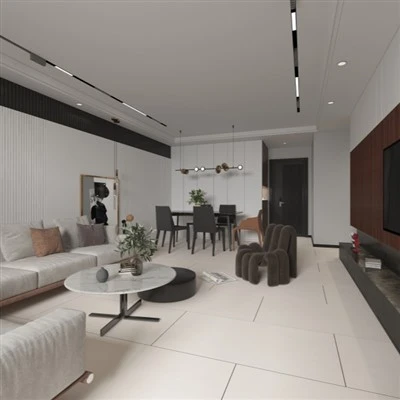
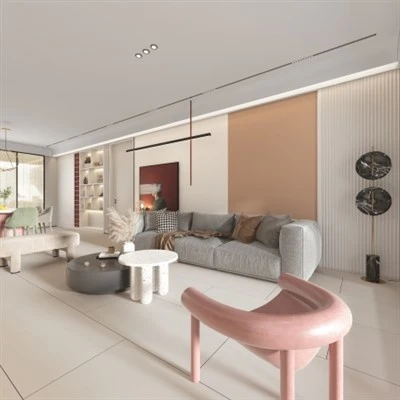
In the global building materials market, wood look porcelain tile is rapidly emerging as the superior alternative to traditional hardwood flooring. For B2B buyers-including importers, exporters, wholesalers, and project contractors-understanding the product attributes, market dynamics, and sourcing strategies for wood effect tile is essential to optimize product portfolios and meet end-user demand for aesthetic durability. This guide delivers a systematic framework covering product advantages, manufacturing technologies, application scenarios, procurement checkpoints, and future industry trends to empower your next purchasing decision.
1. Why Is Wood Look Porcelain Tile Replacing Solid Hardwood?
Over the past five years, the market penetration of wood-look porcelain has surged. Industry data shows that the global wood-look porcelain tile market exceeded $12 billion in 2025, with a compound annual growth rate above 8%. This growth reflects a deep alignment between consumer desires for natural aesthetics and high-performance flooring.
Unlike solid hardwood, which warps in humidity, scratches easily, and requires regular sanding and sealing, wood look ceramic tile is kiln-fired at high temperatures, achieving a Mohs hardness of 6–7-far exceeding wood's abrasion resistance. With water absorption rates typically below 0.5%, it remains stable in kitchens, bathrooms, basements, and even commercial kitchens, eliminating swelling, cupping, or mildew. Additionally, it contains zero VOCs or formaldehyde, enabling immediate occupancy after installation-a critical compliance advantage for EU and North American environmental regulations.
Cost-wise, while premium wood-look porcelain may have a higher upfront price than entry-level laminate, its service life often exceeds 20 years with near-zero maintenance. For hotels, shopping malls, and office towers, the total lifecycle cost is dramatically lower than frequent hardwood replacements. A German distributor recently shared with me: "In the last five years, inquiries for wood look tile have grown 300%, especially in Nordic and US markets, where buyers see it as 'affordable luxury'."
2. Core Technologies: How to Identify High-Quality Wood Look Porcelain Tile?
Not every printed ceramic tile deserves your purchase. Truly premium wood look porcelain tile must excel in three dimensions: grain realism, tactile authenticity, and glaze durability.
Surface Decoration: The current gold standard combines high-definition inkjet printing with multi-layer screen-printing overlay. Top-tier products achieve unique grain patterns per tile-no repetitive motifs. More advanced lines now incorporate 3D stereoscopic glaze technology, creating raised grain lines, vessel pores, and natural knots that you can actually feel under your fingertips. This visual-tactile dual realism is what separates high-end wood-look tiles from ordinary rustic ceramics.
Glaze Performance: Focus on PEI abrasion ratings. For residential use, PEI 3+ is acceptable; for commercial floors, specify PEI 4 or higher. Stain resistance is equally vital-quality surfaces carry nano-scale anti-soil coatings that allow coffee or red wine spills to wipe clean with plain water, no harsh chemicals needed.
Sizing: Rectangular planks dominate the segment. Popular dimensions include 150×600mm, 200×900mm, and 200×1200mm-with the 200×1200mm format being most favored in Europe for its close resemblance to real floorboards. For open-plan homes or commercial atriums, 600×1200mm and even 900×1800mm large slabs are gaining traction, reducing grout lines for a seamless, expansive look.
3. Versatile Applications: Beyond Flooring
The application scope of wood-look porcelain extends far beyond living room and bedroom floors. Designers increasingly specify it for feature walls, backsplashes, and even outdoor spaces.
Commercial Projects: A café chain owner reported saving 40% annually on floor maintenance after switching from hardwood to wood-look porcelain, while customers noted zero loss in ambiance. For boutique hotels and resorts, pairing these tiles with hydronic underfloor heating delivers warm footfall without the slow heat conduction or cracking risks of engineered wood.
Tropical & Coastal Regions: In Southeast Asia and South America, wood-look porcelain is the top choice for luxury homes because it resists termites and thrives in monsoon humidity-no swelling, no rotting.
Outdoor Areas: Tiles with anti-slip ratings of R10 or higher are now safely specified for balconies, patios, and pool surrounds. Some Italian brands offer full-body porcelain with matching color throughout the cross-section, making cut edges invisible-ideal for step risers and planter borders.
4. Key Decision Points for B2B Buyers
When evaluating overseas suppliers, assess these five factors systematically:

A Turkish client of mine successfully co-developed an exclusive "vintage smoked oak" series with a Foshan factory, gaining a regional competitive edge. Your supplier should be a partner, not just a vendor.
5. Industry Trends and Future Opportunities for Wood Look Porcelain Tile
Over the next three years, three major shifts will reshape this category:
Digital Glaze Technology – Enables near-perfect wood reproduction, with on-demand custom grain patterns becoming commercially viable.
Large-Format & Thin Tiles – Sub-9mm thin planks reduce shipping costs and allow direct overlay in renovation projects, cutting demolition waste.
Green Manufacturing – Factories with carbon-footprint certifications and renewable-energy usage will command premium pricing in eco-conscious European markets.
For B2B buyers, now is the optimal window to establish direct relationships with quality-focused producers. Start with trial orders to validate product consistency and market feedback, then scale systematically. In this fast-growing segment, buyers who master product knowledge and anticipate consumer preferences will secure the strongest competitive positions in global trade.
Summary Checklist for Procurement Success
□ Confirm PEI rating matches your end-use (residential vs. commercial)
□ Request unglazed edge samples to check body color consistency
□ Verify stain-resistance with actual test liquids (coffee, oil, wine)
□ Audit factory's export track record and third-party test reports
□ Negotiate MOQ flexibility for initial trial containers
□ Secure written warranty on rectification and shade control
By following this guide, you are not just buying tiles-you are investing in a durable, sustainable, and visually compelling solution that resonates with today's conscious consumers. Whether you are equipping a high-rise hotel, a retail chain, or a residential development, wood look porcelain tile delivers performance, beauty, and long-term value that solid wood simply cannot match.

OUR COMPANY
Golden State Ceramics has been deeply rooted in the ceramic industry for nearly two decades, collaborating with clients from over 50 countries to provide tailored ceramic tile solutions for diverse regional markets. Every April and October, we showcase our latest collections at the Guangzhou Foshan Expo, where our products have earned widespread acclaim from both domestic and international customers. In recent years, we have remained committed to staying ahead of market trends, developing more competitive products to meet the evolving needs of our global clientele.
IF YOU WOULD LIKE TO GET MORE INFORMATION ABOUT TILES, PLEASE CONTACT US!
JESSIE
WHATSAPP:+86 15550316443
EMAIL:jessie@goldenstatetile.cn