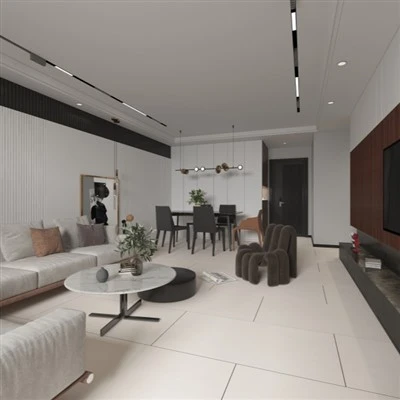
As international construction and interior design markets continue to demand versatile surface materials, White Porcelain Tiles are gaining broader attention among distributors, wholesalers, contractors, developers, and project buyers. Known for their clean appearance and compatibility with different architectural styles, white porcelain tiles are increasingly used in residential, commercial, hospitality, and renovation projects.
For overseas buyers, however, sourcing White Porcelain Tiles involves more than selecting a color or surface pattern. Product consistency, size availability, technical performance, production capacity, packaging standards, and supply stability can all influence purchasing decisions. As a major ceramic production region in China, Zibo continues to provide a wide range of porcelain tile products for export markets, including white tiles designed for different applications and customer requirements.
Why White Tiles Remain Relevant in Different Markets
White has remained one of the most adaptable colors in interior and architectural design. Unlike highly decorative colors or short-term design trends, white surfaces can work with modern, minimalist, classic, Scandinavian, contemporary, and commercial interiors.
For tile distributors and project buyers, this flexibility is particularly important. A product with broader application potential can be used across multiple customer groups and project types. White Porcelain Tiles can be installed in living spaces, kitchens, bathrooms, hotel rooms, retail environments, office buildings, and other interior areas depending on the tile specification.
White tiles can also make a space appear brighter and more open. In projects with limited natural light, light-colored wall and floor surfaces may help create a cleaner visual environment. For this reason, white porcelain wall tiles and large-format white floor tiles are commonly included in product collections targeting apartments, hotels, and commercial developments.
From a product planning perspective, white is not simply one single category. Differences in finish, texture, size, edge treatment, and decorative design allow manufacturers and buyers to create multiple product options around the same core color.
Porcelain Performance Supports Wider Applications
For B2B buyers, visual appearance is only one part of the purchasing decision. The technical characteristics of the material are equally important, especially when tiles are intended for projects with different installation environments.
Porcelain tiles are widely selected because they can offer durability, relatively low water absorption, and stable performance when produced according to applicable product standards and technical requirements. Depending on the specific product, surface treatment, and intended application, white porcelain tiles can be developed for walls, floors, bathrooms, kitchens, and commercial spaces.
When purchasing white porcelain floor tiles, buyers should consider factors such as surface finish, slip resistance requirements, wear resistance, thickness, dimensional consistency, and intended traffic levels. A glossy product designed primarily for a residential wall may not be suitable for the same application as a matte floor tile used in a higher-traffic environment.
This makes communication between the tile factory and the buyer particularly important. Rather than selecting products only from photos or color samples, importers should confirm technical specifications before placing larger orders.
Matte, Glossy, and Textured White Tile Options
Surface finish plays an important role in determining both the visual effect and potential application of a white tile.
Glossy white tiles can reflect light and create a bright, clean appearance. They are commonly used for interior wall applications, especially in bathrooms, kitchens, and other spaces where a polished surface is preferred. A smooth glossy finish can also complement modern interior designs that require a simple and uniform background.
Matte white porcelain tiles offer a different visual direction. The surface generally produces less reflection and can create a softer, more contemporary appearance. Matte finishes are increasingly considered for residential floors, commercial interiors, and architectural projects where designers prefer a more natural or understated surface.
Textured and stone-look white tiles add another layer of product diversity. Instead of presenting a completely plain surface, these products may include subtle veins, granular textures, fabric-inspired patterns, or natural stone effects. This allows suppliers to offer white tile collections that remain neutral while providing more visual depth.
For distributors building a product range, combining glossy, matte, and textured White Porcelain Tiles can help address different market preferences without moving too far away from a stable and widely accepted color category.
Size Selection Matters for Export Buyers
Tile size has become an increasingly important factor in product development. Traditional formats remain relevant, but demand for larger sizes and more coordinated wall-and-floor collections has created additional opportunities for manufacturers and importers.
Common formats may include 300×600 mm, 600×600 mm, 600×1200 mm, 750×1500 mm, and other sizes depending on the manufacturer's production capability and market demand. Larger formats can reduce the number of visible grout lines and create a more continuous visual effect, particularly in open residential spaces, hotel interiors, and commercial projects.
At the same time, standard-sized tiles continue to offer advantages for transportation, handling, installation, and retail distribution. For some wholesalers, products in widely accepted sizes may also provide easier inventory management and broader compatibility with local market requirements.
A professional porcelain tile manufacturer in China should therefore evaluate market needs instead of assuming that one size is suitable for every customer. Export buyers may require different formats based on regional preferences, container loading efficiency, installation practices, and project specifications.
Color Consistency Is Important for White Tile Orders
White may appear simple, but maintaining consistent color across production batches can require careful production management. Even small differences in tone can become visible when tiles are installed across large wall or floor areas.
For this reason, buyers sourcing large quantities should pay attention to shade consistency, batch management, dimensional control, and quality inspection procedures. This is especially important for distributors who expect to place repeat orders or projects that require additional quantities after the initial shipment.
During production, ceramic factories need to manage multiple factors that may influence the final appearance of the tile, including raw materials, glaze formulation, firing conditions, digital printing processes, and production parameters.
For large export orders, confirming samples and specifications before mass production can help reduce misunderstandings. Buyers may also request information regarding shade variation, calibration, packaging marks, and quality control procedures.
Reliable communication at this stage is often more valuable than relying only on product images.
White Tiles for Residential and Commercial Projects
The broad application range of White Porcelain Tiles is one reason the category continues to attract international buyers.
In residential projects, white tiles are frequently used in bathrooms, kitchens, living areas, balconies, and entrance spaces. Homeowners and designers may combine white surfaces with wood-look tiles, grey tiles, marble-look porcelain, or darker decorative materials to create contrast.
In hospitality projects, white and light-colored porcelain surfaces can contribute to a clean and coordinated design language. Hotels, serviced apartments, and resort projects may use white tiles in guest rooms, bathrooms, corridors, reception areas, and other interior spaces depending on project specifications.
Commercial applications can also create demand for white porcelain surfaces. Retail stores, offices, restaurants, showrooms, and public spaces may require tiles that provide both visual consistency and practical performance.
However, B2B buyers should not treat all white tiles as interchangeable. A project should evaluate the specific installation environment and technical requirements before selecting a product. Factors such as surface finish, thickness, slip resistance, and expected traffic should be reviewed according to the intended application.
What Overseas Buyers Should Evaluate When Choosing a Supplier
For importers and wholesalers, selecting a tile supplier involves more than comparing unit prices. A lower product price may not necessarily provide better overall value if there are issues related to quality consistency, packaging, production scheduling, or communication.
When sourcing from a China white tile factory, buyers may consider several important areas.
The first is product consistency. Samples should represent the expected production quality as closely as possible. Dimensions, surface quality, color, and packaging should be clearly confirmed.
The second is production capability. Buyers with regular purchasing plans may need a supplier capable of supporting repeat orders and maintaining relatively stable product specifications.
The third is product range. A supplier offering multiple sizes, finishes, and designs may provide greater flexibility for distributors who want to build coordinated collections.
The fourth is export experience. International shipments require suitable packaging, container loading arrangements, documentation, and communication. Understanding the requirements of overseas customers can help manufacturers reduce unnecessary problems during the ordering process.
Finally, buyers should consider communication efficiency. Clear confirmation of specifications, quantities, production schedules, and packaging requirements can significantly improve the purchasing process.
Zibo's Role in China's Ceramic Tile Supply Chain
Zibo has long been associated with China's ceramic industry and continues to serve domestic and international markets with a diverse range of ceramic and porcelain tile products. The region's established industrial supply chain provides manufacturers with access to production resources, equipment, raw materials, packaging services, and logistics support.
For overseas buyers, working with a porcelain tile manufacturer in China can provide access to different product categories and customization possibilities. Depending on factory capability, buyers may source wall tiles, floor tiles, marble-look porcelain tiles, wood-look tiles, matte tiles, glossy tiles, and other ceramic surface products.
White porcelain products can also be developed as part of broader collections. Instead of purchasing only a single plain white tile, distributors may combine multiple finishes and formats to create a more complete product range for their local markets.
For example, a collection may include glossy white wall tiles, matte white floor tiles, textured decorative tiles, and larger-format porcelain surfaces. This approach can provide distributors with more options while maintaining visual coordination.
Packaging and Container Loading Require Attention
Packaging is an important but sometimes overlooked part of tile export. Porcelain tiles must be protected during transportation, particularly during long-distance sea freight and container handling.
Export cartons should clearly identify relevant product information, while palletization and loading methods should be arranged according to the product size, weight, destination requirements, and shipping conditions.
For large-format tiles, handling and packaging requirements may differ from those of smaller formats. Buyers should communicate with suppliers regarding carton quantity, pallet requirements, container loading plans, and any specific marking requirements before shipment.
Efficient container loading can also influence overall purchasing costs. A supplier with export experience should be able to provide practical loading information based on the selected product specifications.
White Porcelain Tiles Continue to Offer Long-Term Market Value
Interior design trends continue to change, but neutral surface materials generally maintain broad market relevance. White remains suitable for both permanent architectural projects and changing decorative styles because it can be combined with a wide range of colors and materials.
For distributors, this makes White Porcelain Tiles a practical category for product portfolio planning. Instead of depending entirely on highly trend-driven designs, white tiles can provide a stable foundation that can be updated through different formats, finishes, textures, and decorative effects.
Manufacturers are also continuing to develop more refined white tile surfaces. Advances in digital decoration, surface technology, rectification, and product design have created additional possibilities beyond traditional plain ceramic tiles.
The future development of white porcelain products is therefore likely to focus not only on color but also on texture, size, functionality, and application flexibility.
Conclusion
For overseas importers, distributors, wholesalers, and project buyers, White Porcelain Tiles remain a versatile product category with applications across residential and commercial markets. Their value comes not only from a clean visual appearance but also from the ability to develop multiple products through different sizes, finishes, textures, and technical specifications.
When sourcing from China, buyers should focus on product consistency, production capability, quality control, packaging, export experience, and communication efficiency. Choosing the right supplier can help create a more stable purchasing process and support long-term cooperation.
As a ceramic production base with extensive manufacturing resources, Zibo continues to supply porcelain tile products to international markets. For B2B buyers looking to develop or expand a white tile product range, working with an experienced China white tile factory can provide opportunities to source products designed around different market and project requirements.

China Ceramic Tile Manufacturer
Golden State Ceramics has been deeply rooted in the ceramic industry for nearly two decades, collaborating with clients from over 50 countries to provide tailored ceramic tile solutions for diverse regional markets. In recent years, we have remained committed to staying ahead of market trends, developing more competitive products to meet the evolving needs of our global clientele.