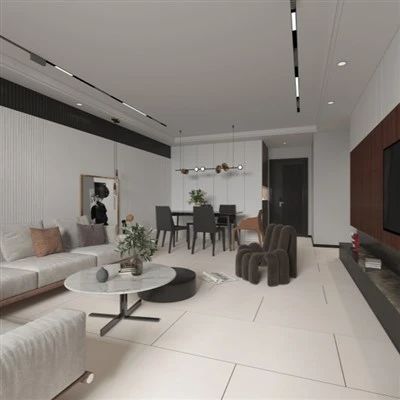
As architectural styles continue to evolve,marble tile remains an important product category in the global ceramic tile market. For distributors, wholesalers, contractors, developers, and project buyers, marble-look tiles provide the visual characteristics associated with natural stone while offering a more standardized and practical solution for large-scale supply and installation. With advances in digital printing, surface treatment, and production technology, modern marble-effect porcelain tiles can reproduce detailed veining, color variation, and stone-inspired textures across a wide range of sizes and finishes.
For international buyers, selecting marble tile is not simply a matter of choosing an attractive pattern. Product consistency, size availability, loading efficiency, technical performance, packaging, and long-term supply capability can all influence purchasing decisions. As construction and renovation projects increasingly require materials that balance design flexibility with stable performance, marble-look porcelain tiles have become widely used in residential, commercial, hospitality, and public-space applications.
From Natural Marble Appearance to Industrial Production
Natural marble has long been associated with architecture and interior design. Its distinctive veins and changing patterns create a visual effect that is difficult to reproduce with ordinary decorative materials. However, natural stone also presents challenges related to variation, processing, maintenance, weight, and supply consistency.
This has created continued demand for ceramic and porcelain products designed with marble-inspired surfaces. A modern marble tile manufacturer can use advanced inkjet printing and surface technology to create patterns that reflect the appearance of different stone types while maintaining more standardized dimensions and production specifications.
The purpose is not necessarily to create an identical replacement for every piece of natural stone. Instead, marble-look tiles provide designers and buyers with a material that combines decorative stone aesthetics with the practical advantages of industrial manufacturing.
For B2B buyers, this production model can simplify sourcing. Rather than depending entirely on the natural characteristics and availability of a particular stone block, buyers can select products according to defined specifications, including size, thickness, finish, color range, and packaging requirements.
Why Marble-Look Porcelain Tiles Continue to Attract B2B Buyers
One of the main advantages of marble-look tiles is their versatility. The same design concept can often be developed into different product sizes for walls, floors, bathrooms, kitchens, hotel interiors, retail spaces, and other architectural environments.
Common formats may include smaller wall tiles, square floor tiles, rectangular formats, and large-format porcelain slabs. Different sizes allow importers and distributors to build a more complete product range around a single design direction.
For example, a light marble-inspired pattern may be supplied in several formats to support coordinated wall and floor applications. This gives wholesalers and project suppliers greater flexibility when responding to customer requirements.
From a commercial perspective, product standardization is also important. Buyers working with container orders and repeated purchasing programs generally need stable specifications. A factory-oriented supply system can help maintain consistency in size, thickness, surface finish, and packaging across production batches.
This is particularly relevant for companies purchasing marble look porcelain tile wholesale for distribution networks or construction projects. A visually attractive product may generate initial interest, but long-term cooperation often depends on whether the supplier can continue to provide stable quality and organized production.
Design Trends Are Expanding Beyond Traditional White Marble
White and gray marble patterns remain important in the international market, but the category has expanded considerably. Today, buyers can find marble-inspired designs ranging from subtle and minimalist surfaces to more expressive veining and darker stone effects.
Light-colored designs are frequently selected for projects that require bright and open interiors. Soft gray, beige, cream, and warm stone tones can support contemporary residential and commercial environments. Dark marble-inspired designs may be used for feature walls, hotel spaces, retail interiors, and other applications where a stronger visual contrast is required.
Veining is another important element. Some buyers prefer fine and controlled patterns that create a clean appearance, while others look for more dramatic movement across the tile surface. Digital decoration technology allows manufacturers to develop multiple faces or patterns within the same product series, helping reduce excessive repetition after installation.
For distributors, this provides an opportunity to develop product collections rather than relying on individual items. A coordinated collection may include matching marble effect wall tiles, floor tiles, decorative pieces, or large-format products with related colors and patterns.
Surface Finish Should Match the Application
Appearance is only one part of product selection. Surface finish should also be considered according to the intended application.
Polished marble-look tiles can create a reflective and more formal appearance. They are often used in interior spaces where brightness and visual depth are important. Matte or soft finishes can provide a more understated surface and are suitable for a wide range of contemporary interiors.
Some manufacturers also develop structured or specialized surfaces for applications that require different levels of slip resistance or tactile texture. However, buyers should evaluate technical requirements based on the actual installation environment rather than selecting a finish solely according to appearance.
For project purchasers, product specifications should be discussed before production and shipment. These may include size tolerance, thickness, water absorption, surface finish, abrasion resistance, packing method, and other relevant requirements depending on the destination market and application.
A reliable marble tile supplier should be able to provide clear product information and communicate specifications before an order is confirmed.
Size Selection Affects Both Design and Logistics
Tile size plays an important role in both visual design and international trade.
Large-format products can reduce the number of visible grout lines and create a more continuous marble-inspired appearance. This makes them attractive for modern residential interiors, hotels, commercial buildings, and other projects where a seamless visual effect is preferred.
Medium and standard-sized tiles remain important because they can offer greater flexibility for distribution and installation. For wholesalers, maintaining a combination of popular sizes may help serve different customer segments without focusing on a single application.
From the export perspective, size also affects container loading and packaging efficiency. A product with attractive dimensions but inefficient packaging may increase transportation costs or create handling difficulties.
Therefore, buyers sourcing large format marble porcelain tile should consider more than appearance. Packaging structure, pallet requirements, container utilization, breakage prevention, and unloading conditions should also be discussed with the supplier.
For a factory serving export markets, production planning and logistics coordination are closely connected. The product needs to arrive in suitable condition, not simply leave the factory with acceptable quality.
Quality Control Starts Before Final Inspection
For international orders, quality control should not depend only on inspection after production is completed. Product consistency begins with raw materials, production control, firing, surface processing, sorting, and packaging.
In marble-look tile production, visual consistency is especially important. Buyers may require controlled color variation, sufficient pattern diversity, and stable surface effects. At the same time, dimensions and physical performance need to meet the agreed specifications.
Different markets may also have different preferences regarding tile edges, finishes, thickness, and packing styles. For this reason, communication between the buyer and factory should begin before mass production.
Samples and confirmed specifications can reduce misunderstandings. For repeat orders, maintaining clear records of approved products and requirements can also help support production consistency.
When sourcing marble tile from China, buyers should evaluate the supplier's overall production and export capability rather than focusing only on unit price. A lower quotation may not provide the same level of packaging, inspection, communication, or production control required for international business.
Packaging and Export Are Part of Product Quality
Tiles are heavy and require careful handling during transportation. Packaging therefore plays an important role in export operations.
Depending on the product and customer requirements, tiles may be protected with internal corner protection and neutral outer cartons. Palletization, reinforcement, labeling, and loading arrangements can also be adjusted according to transportation requirements.
For importers and distributors, packaging is not only a logistics issue. Damaged cartons or broken tiles can affect warehouse operations, customer satisfaction, and project schedules.
A professional export process should therefore include coordination between production, inspection, packing, and container loading. Buyers may also need specific carton information, product codes, barcodes, or customized labels for local distribution.
For long-term cooperation, these operational details can be just as important as the tile design itself.
Working With a China Marble Tile Factory
China remains an important production base for ceramic and porcelain tiles, supplying products to markets across Asia, Europe, the Middle East, Africa, North America, and other regions.
For overseas buyers, working directly with a China marble tile factory can provide access to a broad range of designs, sizes, and production options. However, supplier selection should involve a structured evaluation.
Buyers may consider several factors:
Production experience in export orders is important because international business requires familiarity with documentation, packaging, container loading, and communication.
Product development capability can also be valuable. Markets change, and distributors may need new marble patterns or updated formats to maintain a competitive product portfolio.
Order flexibility is another consideration. Some buyers focus on regular container orders, while others may require mixed products or coordinated collections.
Finally, communication efficiency can influence the overall purchasing experience. Clear confirmation of specifications, production schedules, inspection arrangements, and shipping requirements can help reduce unnecessary delays.
For manufacturers, long-term relationships are generally built through stable products and reliable execution rather than short-term pricing alone.
Choosing the Right Marble Tile for Different Markets
There is no single marble-look tile suitable for every market. Product selection should be based on customer preferences, application requirements, local design trends, and price positioning.
Some markets may have strong demand for bright polished surfaces and classic white marble patterns. Others may prefer warm beige tones, gray stone effects, or matte finishes. Large projects may require stable availability of a single design, while distributors may need a wider range of products for showroom display.
For this reason, buyers should consider building a product selection around several factors: color, pattern, finish, size, application, and target price level.
A well-planned product range can help distributors serve multiple customer groups while maintaining a clear purchasing strategy. Instead of importing a large number of unrelated designs, buyers may benefit from selecting coordinated marble-inspired collections with complementary formats.
The Continuing Role of Marble-Look Tiles in Global Markets
The demand for stone-inspired surfaces is expected to remain relevant because marble patterns can adapt to changing interior styles. Minimalist spaces, luxury hospitality environments, residential developments, and commercial projects can all use marble-inspired designs in different ways.
At the same time, manufacturers continue to improve printing technology, surface development, and format options. This allows marble tile products to move beyond traditional patterns and provide a broader selection for international buyers.
For distributors, wholesalers, and project purchasers, the key is to combine design selection with practical sourcing considerations. A successful product should offer an appropriate balance of appearance, technical performance, production consistency, packaging, and supply capability.
As a porcelain tile manufacturer based in Zibo, China, we understand that export customers often require more than a standard product catalog. Different markets have different preferences, specifications, and purchasing methods. By combining marble-inspired design development with flexible size options and export-oriented production management, manufacturers can better support distributors and project buyers in global markets.
Ultimately,marble tile continues to be an important category because it connects decorative design with practical manufacturing. For B2B buyers, selecting the right supplier and product specification can help create a stable foundation for long-term distribution and project supply. With careful attention to design, quality control, packaging, and communication, marble-look porcelain tiles can remain a reliable product category across a wide range of international construction and interior applications.

China Ceramic Tile Manufacturer
Golden State Ceramics has been deeply rooted in the ceramic industry for nearly two decades, collaborating with clients from over 50 countries to provide tailored ceramic tile solutions for diverse regional markets. In recent years, we have remained committed to staying ahead of market trends, developing more competitive products to meet the evolving needs of our global clientele.