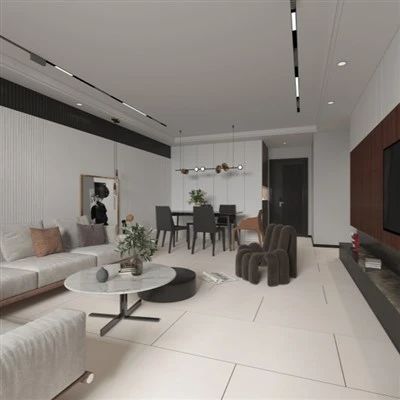
Floor tiles are widely used in residential, commercial, and public building projects because of their durability, design flexibility, and ease of maintenance. For overseas importers, distributors, contractors, and property developers, selecting suitable floor tiles involves more than appearance. Product specifications, surface finishes, quality consistency, packaging, and supply capacity all influence purchasing decisions and project results.
For buyers sourcing from China, understanding these factors helps establish clear purchasing requirements and improve communication with manufacturers. This article explains the main considerations when selecting floor tiles for wholesale distribution and large-scale construction projects.
1. Understanding Different Types of Floor Tiles
Floor tiles are available in various materials, sizes, colors, and surface finishes. Each type serves different installation requirements, so buyers should evaluate product characteristics according to the intended application.
Porcelain tiles are widely selected for projects that require low water absorption, good durability, and stable performance. They are suitable for many residential and commercial interiors, including living rooms, hotel corridors, offices, and retail spaces. Their availability in different patterns and finishes also makes them adaptable to various design concepts.
Ceramic floor tiles offer another option for interior applications. They are available in a broad range of colors, patterns, and price levels, making them relevant to different market segments. When comparing ceramic and porcelain products, buyers should consider technical specifications and intended use rather than relying on appearance alone.
Natural stone-look floor tiles are also popular in contemporary projects. Marble-look tiles create a refined appearance, while travertine-inspired patterns offer a more natural visual effect. Wood-look tiles reproduce the appearance of timber and can be used in spaces where designers want a wood-like aesthetic with the practical characteristics of ceramic or porcelain materials.
For wholesalers and importers, maintaining a balanced product range can help serve customers with different design preferences and project budgets.
2. Choosing the Right Tile Size and Thickness
Tile dimensions influence installation efficiency, visual proportions, transportation costs, and overall project planning. Common floor tile sizes include 300 × 300 mm, 600 × 600 mm, 600 × 1200 mm, and larger formats such as 750 × 1500 mm. Actual availability depends on the manufacturer's product range.
Medium-sized tiles are commonly used in residential interiors and general commercial spaces. Larger formats can create a more continuous visual effect by reducing the number of visible joints. They are often considered for hotel lobbies, spacious living rooms, showrooms, and modern retail interiors.
However, large-format tiles require appropriate handling, substrate preparation, and installation techniques. Buyers should confirm whether the selected dimensions suit local construction practices and the intended installation environment.
Thickness is another important specification. It affects product weight, handling, and suitability for particular applications. Buyers should request the manufacturer's technical data and verify that the product meets relevant project requirements. Thickness should not be treated as the only indicator of strength or durability, since material composition and manufacturing quality also matter.
When preparing a bulk order, importers should confirm the exact dimensions, thickness, dimensional tolerances, and packaging specifications before production or shipment.
3. Surface Finishes and Their Applications
The surface finish affects the appearance, cleaning requirements, and suitability of floor tiles for different environments. Polished, matte, and textured finishes are among the common options available from tile manufacturers.
Polished floor tiles have a smooth, reflective surface that can make interior spaces appear brighter. They are frequently considered for living rooms, hotel interiors, reception areas, and other spaces where a clean, decorative appearance is required. However, slip resistance and maintenance requirements should be evaluated before selecting polished tiles for specific locations.
Matte floor tiles provide a less reflective appearance and are often used in contemporary residential and commercial designs. Their subdued finish can complement minimalist interiors, neutral color schemes, and natural stone or cement-inspired patterns.
Textured tiles may be appropriate where additional surface grip is required. Nevertheless, the actual slip resistance depends on the product's tested performance, not simply on whether its surface looks rough. Buyers should review relevant test results and local safety requirements when sourcing tiles for wet areas, entrances, or other locations with increased slipping risks.
For distributors, offering several finishes within a coordinated design range can help meet the needs of different customer groups without creating an unnecessarily complicated inventory.
4. Evaluating Quality Before Placing Bulk Orders
Quality consistency is a major consideration when purchasing floor tiles for distribution or construction projects. Small differences between batches can become noticeable when products are installed across large areas.
Buyers should first review product samples for color, pattern, surface appearance, and edge quality. For patterned tiles, it is also useful to examine the variation between individual pieces. Some products are intentionally designed with multiple pattern faces, while others require a more uniform appearance.
Technical documentation should be reviewed alongside physical samples. Depending on the product and intended market, relevant information may include water absorption, breaking strength, abrasion resistance, slip resistance, dimensional tolerances, and compliance with applicable standards.
For large orders, buyers should establish clear acceptance criteria before production begins. These may cover product dimensions, permitted visual variation, shade consistency, caliber, surface defects, and carton labeling. The criteria should reflect the product specification and destination-market requirements.
It is also important to confirm how batch identification is handled. Keeping product codes and batch information consistent can make warehouse management, replenishment, and after-sales communication easier.
A well-defined inspection process helps reduce misunderstandings between buyers and manufacturers, particularly when the goods will be distributed to multiple customers or installed across several project locations.
5. Design Trends and Product Selection
Floor tile design preferences vary between markets, but several styles remain relevant across different project categories.
Neutral colors, including white, beige, gray, and warm greige, are frequently used because they coordinate with a wide range of furniture, wall finishes, and interior materials. These colors are suitable for residential developments, hospitality projects, and commercial interiors where buyers need adaptable design options.
Marble-look floor tiles provide the visual character of natural marble through printed or digitally produced patterns. Depending on the design, they can complement both classic interiors and contemporary spaces. Buyers should pay attention to pattern distribution, surface finish, and the consistency of the overall appearance.
Wood-look floor tiles offer an alternative for projects seeking a timber-inspired design. Their plank formats and wood-grain patterns can suit bedrooms, living areas, hotels, and selected commercial interiors. Product suitability should still be assessed according to the installation environment and technical specifications.
Concrete-look and stone-look designs are also relevant to industrial-inspired, minimalist, and modern architectural styles. Their restrained patterns can work well in retail spaces, offices, and public interiors.
For wholesalers, the objective is not simply to follow every design trend. It is to select products that fit the preferences of their target markets, offer practical stock management, and provide reasonable opportunities for repeat orders.
6. What Importers Should Confirm with Floor Tile Manufacturers
When sourcing floor tiles from China, buyers should evaluate the manufacturer's ability to meet product specifications and order requirements. Price is important, but it should be considered alongside quality, packaging, communication, and delivery arrangements.
Before confirming an order, buyers should clarify several points:
--Product specifications: Confirm the material, size, thickness, finish, color, and technical performance requirements.
--Order quantity: Check the minimum order quantity, available stock, and production arrangements for larger volumes.
--Sample approval: Confirm that the approved sample accurately represents the intended product and agreed specifications.
--Production lead time: Establish the estimated production schedule and the conditions that may affect delivery.
--Packaging: Review carton strength, labeling, pallet requirements, and protection against damage during transportation.
--Loading arrangements: Confirm container loading plans, estimated quantities per container, and shipping documentation requirements.
--After-sales communication: Agree on how shortages, breakage, quality discrepancies, or other issues will be reported and handled.
These details are particularly important for importers supplying multiple retailers or contractors. Clear specifications and written order confirmations help both parties manage expectations throughout the purchasing process.
Buyers should also distinguish between stocked products and made-to-order items. Stocked products may offer shorter dispatch times, while customized or production orders require additional planning. Actual lead times depend on stock availability, order volume, production schedules, and shipping arrangements.
7. Packaging and Transportation for Export Orders
Floor tiles are heavy and vulnerable to damage from impact, pressure, and improper handling. Export packaging therefore plays an important role in maintaining product condition during international transportation.
A typical export package may include protective materials around the tiles, suitable cartons, and additional corner protection where required. Packaging specifications should be agreed upon according to the tile dimensions, product weight, shipping route, and destination handling conditions.
Carton labels should provide clear product identification, including relevant model numbers, sizes, and shade or batch information where applicable. This helps importers organize warehouse stock and distinguish between different products after delivery.
Container loading should also be planned according to product weight, package dimensions, and safe cargo distribution. Buyers may request loading photos, packing lists, and other shipment records as part of their order documentation.
Because international freight costs and schedules can change, importers should evaluate the total landed cost rather than comparing factory prices alone. Product cost, inland transportation, ocean freight, insurance, import duties, and local handling charges may all affect the final purchasing decision.
Reliable communication between the buyer, manufacturer, and freight forwarder helps reduce avoidable delays and improves coordination throughout the export process.
8. Building a Practical Floor Tile Supply Strategy
For distributors and project buyers, a practical sourcing strategy should balance product variety, purchasing volume, inventory costs, and expected market demand.
Instead of purchasing too many similar designs, distributors can begin with a focused range of core colors, common dimensions, and surface finishes. Additional designs can be introduced according to customer feedback and sales performance. This approach can help control inventory while maintaining sufficient choice for different projects.
Developers and contractors may prioritize consistent specifications, coordinated deliveries, and reliable replenishment. Their purchasing decisions often depend on project schedules and the need to maintain a consistent appearance across multiple rooms or buildings.
Importers should also consider the manufacturer's ability to communicate clearly about specifications, production progress, and shipment arrangements. For repeat orders, documented product details can help reduce the risk of discrepancies between deliveries.
For a tile manufacturer in Zibo, China, serving international markets, understanding these purchasing requirements is an important part of export supply. Product selection, production coordination, quality checks, and export packaging all contribute to a more organized purchasing process.
Conclusion
Selecting floor tiles for wholesale distribution and construction projects requires attention to more than color and price. Material type, dimensions, surface finish, technical performance, batch consistency, and export packaging all influence product suitability and purchasing outcomes.
For overseas buyers, confirming specifications before ordering and maintaining clear communication with manufacturers can help reduce procurement risks. A focused product range and well-organized supply process can also support inventory planning and repeat purchasing.
By evaluating both product characteristics and supply requirements, importers, distributors, contractors, and developers can make more informed decisions when sourcing floor tiles for their target markets.

China Ceramic Tile Manufacturer
Golden State Ceramics has been deeply rooted in the ceramic industry for nearly two decades, collaborating with clients from over 50 countries to provide tailored ceramic tile solutions for diverse regional markets. In recent years, we have remained committed to staying ahead of market trends, developing more competitive products to meet the evolving needs of our global clientele.