Introduction
Floor tiles are widely used in residential, commercial, and public spaces because of their durability, practical performance, and design flexibility. For importers, distributors, contractors, and project developers, selecting suitable floor tiles involves more than comparing colors and prices. Factors such as material composition, surface finish, tile size, wear resistance, and installation requirements all influence the suitability of a product for a specific project.
As demand for functional and visually consistent building materials continues across international markets, understanding the characteristics of different floor tiles helps buyers make informed purchasing decisions. From large-format porcelain tiles for modern interiors to textured ceramic tiles for everyday applications, product selection should be based on both design requirements and technical performance.
For overseas buyers sourcing from China, understanding manufacturing specifications and product variations is also important for maintaining consistent quality across bulk orders.
1. Understanding Different Types of Floor Tiles
Floor tiles are available in various materials, each offering different characteristics for residential and commercial applications. Ceramic and porcelain tiles are among the most widely used options in the international market.
Ceramic floor tiles are generally made from refined clay and other natural materials. They are available in a broad range of colors, patterns, and surface finishes. Their versatility makes them suitable for residential interiors, including bedrooms, kitchens, and other areas with moderate foot traffic.
Porcelain floor tiles are produced using carefully selected raw materials and a controlled firing process. They typically have a dense structure and low water absorption, making them suitable for areas where moisture resistance and durability are important. Depending on their technical specifications, porcelain tiles can be used in living rooms, bathrooms, commercial interiors, and other spaces.
When choosing between ceramic and porcelain floor tiles, buyers should consider the intended application, expected traffic levels, maintenance requirements, and relevant product standards rather than relying on material names alone.
2. Choosing the Right Surface Finish
The surface finish of floor tiles affects both their appearance and practical performance. Different finishes can create distinct visual effects while influencing cleaning requirements and underfoot characteristics.
Polished tiles have a smooth, reflective surface that enhances light and creates a bright, spacious appearance. They are frequently used in living rooms, hotel lobbies, reception areas, and other interior spaces where a clean, refined finish is required. However, polished surfaces may become slippery when wet, so their suitability for wet areas should be carefully evaluated.
Matte tiles provide a more subdued appearance with limited reflection. They are commonly selected for contemporary residential and commercial projects because they complement a wide range of interior styles. Depending on the surface structure, matte tiles may also offer practical advantages in everyday maintenance.
Textured tiles feature a surface designed to create a tactile effect or improve underfoot grip. They can be considered for bathrooms, entrances, balconies, and other areas where surface traction is important. Actual slip resistance depends on the product's technical properties and testing results.
For bulk procurement, buyers should confirm the finish, surface texture, and relevant performance specifications before placing an order.
3. Tile Size and Layout Considerations
Tile size plays an important role in the visual effect, installation process, and material planning of a project. Common floor tile sizes include 300×300 mm, 600×600 mm, 600×1200 mm, and larger formats such as 750×1500 mm. Availability varies by manufacturer and product series.
Small-format tiles are often used in compact spaces or areas requiring more detailed layouts. Their relatively short dimensions can help accommodate certain design patterns and irregular spaces.
Medium-format tiles, such as 600×600 mm, are widely used in residential and commercial interiors. Their proportions suit many room layouts and provide flexibility for different design styles.
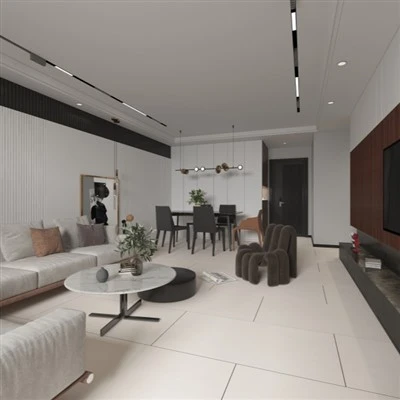
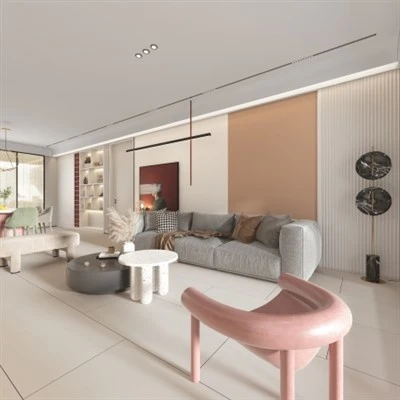
Large-format tiles create fewer visible grout joints across a given floor area, producing a more continuous appearance. They are frequently considered for modern living rooms, hotel interiors, commercial showrooms, and other open spaces. However, larger tiles require appropriate substrate preparation, handling equipment, and installation techniques.
When selecting tile sizes for a project, buyers should evaluate room dimensions, installation conditions, cutting requirements, and the availability of matching products for future orders.
4. Color and Design Trends in Floor Tiles
Color and pattern selection influence the overall appearance of an interior and can affect how easily a tile range fits different market preferences.
Gray floor tiles remain widely used in contemporary interiors because they complement neutral color schemes, metal finishes, and minimalist furniture. Light gray surfaces can create a bright, understated appearance, while darker gray tones provide stronger visual contrast.
Beige floor tiles are frequently selected for residential developments, hotels, and commercial interiors. Their warm tones work well with wood furniture, natural materials, and soft color palettes.
White floor tiles can make interior spaces appear brighter and more open. Marble-look designs with subtle veins are commonly used in living rooms, hotel reception areas, and other spaces where a refined stone-inspired appearance is desired.
Wood-look floor tiles offer the visual character of timber while providing the practical properties of ceramic or porcelain materials. They are available in different shades, grain patterns, and plank formats, making them suitable for projects seeking a natural appearance without using conventional wood flooring.
For distributors and importers, maintaining a balanced selection of neutral colors, stone-look designs, and wood-look patterns can help address different project requirements and regional preferences.
5. Technical Performance and Quality Requirements
The technical properties of floor tiles should be evaluated according to their intended application. Appearance alone cannot determine whether a product is suitable for a particular environment.
Water absorption is an important consideration, especially in bathrooms, kitchens, and other areas exposed to moisture. Porcelain tiles generally have lower water absorption than conventional ceramic tiles, but buyers should confirm the actual values provided in the product's technical documentation.
Wear resistance is another relevant factor for commercial spaces, corridors, retail stores, and other areas with frequent foot traffic. The appropriate classification depends on the product type, testing method, and intended use.
Slip resistance should be considered for entrances, bathrooms, outdoor areas, and other locations where floors may become wet. Buyers should request test results relevant to the installation environment rather than assuming that a particular surface finish guarantees safety.
Dimensional consistency, thickness, edge quality, and surface flatness can also affect installation efficiency and the finished appearance. For large projects, checking these characteristics helps reduce potential differences between batches.
Before confirming a bulk order, buyers should review the product specifications, available test reports, and applicable standards in the destination market.
6. Applications in Residential and Commercial Projects
Different project types have different requirements for floor tile selection.
In residential buildings, floor tiles are commonly installed in living rooms, kitchens, bathrooms, bedrooms, and entrance areas. Living rooms often use polished, matte, or stone-look tiles, while kitchens and bathrooms require careful consideration of moisture exposure, cleaning needs, and surface traction.
Hotels and hospitality projects may use large-format porcelain tiles in lobbies, corridors, guest rooms, and shared areas. Consistent appearance, maintenance requirements, and suitability for the expected traffic level are important considerations during product selection.
Retail stores and commercial showrooms often require tiles that combine a coordinated visual design with performance appropriate for regular foot traffic. Neutral colors and stone-look patterns can be incorporated into different interior concepts.
Office buildings and public interiors may require products with clearly documented technical specifications and consistent appearance across large installation areas. Product selection should account for the specific conditions of each space, including traffic intensity and cleaning procedures.
For developers and contractors, coordinating tile size, color, finish, and technical requirements at the planning stage helps improve consistency across different areas of a project.
7. Key Considerations for Bulk Purchasing
For international buyers, purchasing floor tiles in bulk involves evaluating product specifications, production arrangements, packaging, and transportation requirements.
The first step is to confirm the product details, including material, dimensions, thickness, surface finish, color, and applicable technical standards. Clear specifications help reduce misunderstandings between buyers, suppliers, and installation teams.
Sample approval is another important part of the purchasing process. Physical samples allow buyers to assess color, texture, surface appearance, and other characteristics before confirming a larger order. For projects involving multiple tile series, samples should be reviewed together to ensure that the selected products are visually compatible.
Order quantity should be calculated according to the total installation area, layout design, cutting requirements, and an appropriate allowance for breakage and future maintenance. The required allowance varies depending on the project layout and installation conditions.
Packaging and loading arrangements should also be confirmed before shipment. Suitable cartons, protective materials, and pallet arrangements help reduce the risk of damage during handling and transportation. Buyers should communicate destination requirements and confirm that packaging information matches the order.
For distributors and importers, production lead time, minimum order quantity, available stock, and the consistency of repeat orders are additional factors that should be clarified before purchasing.
8. Working with a China Floor Tile Manufacturer
China is an established source of ceramic and porcelain tiles for international markets. Buyers sourcing from a China floor tile manufacturer may have access to different product categories, sizes, surface finishes, and design options within a single supply chain.
Zibo, Shandong Province, is one of China's ceramic industry centers, with manufacturers serving domestic and international markets. For overseas distributors, importers, and project buyers, working directly with a manufacturer can make it easier to discuss product specifications, order quantities, packaging arrangements, and production schedules.
When evaluating a supplier, buyers should review product samples, manufacturing capabilities, quality control procedures, export experience, and communication efficiency. Clear documentation and consistent order specifications are particularly important for projects requiring multiple shipments or repeat purchases.
A well-defined purchasing process helps both parties coordinate product selection, production planning, inspection, and delivery more effectively.
Conclusion
Floor tiles are an important building material for residential, commercial, and public projects. Selecting suitable products requires consideration of material type, surface finish, dimensions, technical performance, and installation conditions.
For overseas distributors, importers, and project developers, clear product specifications and careful supplier evaluation are essential to managing bulk purchases. By understanding the differences between ceramic and porcelain tiles and matching product characteristics to project requirements, buyers can make more informed sourcing decisions.
As a tile manufacturing and export industry center, Zibo provides a range of ceramic and porcelain tile products for international markets. Buyers can evaluate available designs, technical specifications, and supply arrangements according to their individual project and distribution needs.

China Ceramic Tile Manufacturer
Golden State Ceramics has been deeply rooted in the ceramic industry for nearly two decades, collaborating with clients from over 50 countries to provide tailored ceramic tile solutions for diverse regional markets. In recent years, we have remained committed to staying ahead of market trends, developing more competitive products to meet the evolving needs of our global clientele.