Introduction
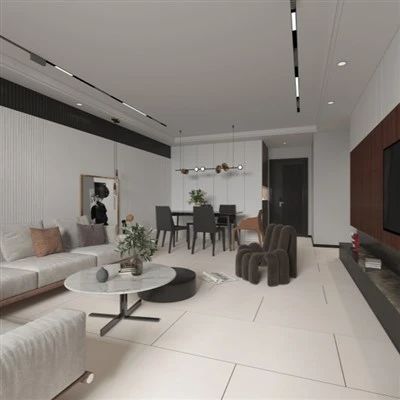
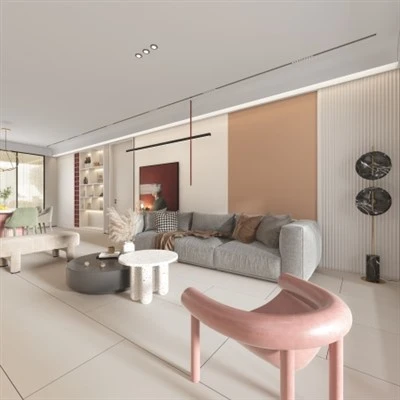
Floor tiles remain an important flooring material in residential, commercial, and public construction projects. For international buyers, including tile distributors, importers, contractors, and property developers, selecting suitable floor tiles involves more than appearance. Product consistency, technical performance, size availability, surface finishes, and supply capacity all influence purchasing decisions.
As construction projects become more diverse, demand for different types of floor tiles continues to develop. Large-format porcelain tiles, natural stone-look surfaces, wood-look designs, and matte finishes are increasingly considered for different architectural applications. Understanding these product characteristics helps buyers evaluate tile specifications and select suitable materials for their markets.
1. Different Types of Floor Tiles for Project Applications
The choice of flooring material depends on the intended application, design requirements, and expected level of use. Different tile categories offer different combinations of appearance and physical performance.
Porcelain floor tiles are widely used in residential and commercial interiors because of their dense structure, low water absorption, and durability. They are suitable for living rooms, kitchens, bathrooms, hotel interiors, and other spaces where flooring materials need to withstand regular use.
Ceramic floor tiles provide another option for projects with specific design and budget requirements. They are available in various colors, patterns, and surface finishes, making them suitable for a range of interior applications.
For distributors and importers, understanding the differences between ceramic and porcelain products is important when developing a product portfolio. Their technical specifications, intended applications, and market positioning should be considered before placing bulk orders.
2. Surface Finishes and Their Practical Differences
Surface finish affects both the visual appearance and practical use of floor tiles. Buyers should consider the relationship between surface texture, maintenance requirements, and installation environments.
Matte floor tiles have a relatively soft appearance and are commonly selected for contemporary residential and commercial interiors. Their non-glossy surface works well with minimalist, industrial, and natural design styles. Depending on the product specification, matte finishes can also provide different levels of slip resistance.
Polished floor tiles create a reflective surface that can make interior spaces appear brighter. They are frequently used in hotel lobbies, living rooms, reception areas, and other spaces where a smooth decorative finish is preferred.
Glazed floor tiles offer considerable design flexibility. Digital printing technology allows manufacturers to reproduce stone patterns, marble textures, concrete effects, and other decorative surfaces.
For project buyers, surface appearance should not be the only selection criterion. Slip resistance, cleaning requirements, and suitability for the intended environment should also be reviewed.
3. Popular Design Trends in Floor Tiles
Floor tile designs continue to evolve alongside architectural preferences. Although different regions have their own market characteristics, several design categories remain relevant to international purchasing.
Marble-look floor tiles are widely used in residential developments, hotels, apartments, and commercial interiors. Their printed patterns reproduce the visual characteristics of natural marble while offering the technical properties of ceramic or porcelain materials. Different veining patterns, background colors, and surface finishes allow buyers to select products for various interior styles.
Wood-look floor tiles provide another practical design option. They reproduce the grain patterns and color variations of natural wood while offering the moisture resistance and maintenance characteristics associated with porcelain tiles. These products are commonly considered for bedrooms, living rooms, hotel rooms, and other interior spaces.
Concrete-look floor tiles are also relevant to modern architectural projects. Their understated appearance works well in industrial, minimalist, and contemporary environments. Grey, beige, and warm neutral tones provide flexibility when coordinating flooring with furniture and wall materials.
In addition, stone-look floor tiles offer a way to introduce natural visual textures into interior and exterior designs. Travertine-inspired patterns, limestone effects, and other stone-inspired surfaces provide options for projects requiring a natural appearance.
4. Tile Sizes and Their Impact on Project Planning
Tile dimensions are an important consideration for importers, distributors, and construction contractors. Different sizes serve different installation requirements and influence material planning, transportation, and overall project costs.
Traditional formats remain suitable for many residential applications, while larger formats are increasingly used in contemporary interior projects.
Common floor tile dimensions include 600×600 mm, 600×1200 mm, 750×1500 mm, and other specifications depending on the product range.
Large-format floor tiles can reduce the number of visible grout joints and create a more continuous visual effect. They are often selected for spacious living rooms, hotel interiors, commercial buildings, and modern residential developments.
However, larger dimensions also require appropriate handling, transportation, and installation arrangements. Buyers should confirm product thickness, dimensional tolerances, packaging specifications, and installation requirements before ordering.
For wholesalers and distributors, maintaining a balanced range of tile sizes can help address different customer requirements without unnecessarily expanding inventory.
5. Technical Specifications Buyers Should Evaluate
When purchasing floor tiles for international projects, technical specifications should be reviewed alongside design and pricing.
Water absorption is an important indicator, particularly when selecting products for bathrooms, kitchens, and other moisture-exposed environments. Porcelain tiles generally have low water absorption, making them suitable for applications where this characteristic is required.
Wear resistance is another consideration for commercial projects. Hotels, shopping areas, offices, and public buildings may experience frequent pedestrian traffic. Buyers should evaluate the product's abrasion classification and confirm whether it meets the intended application requirements.
Slip resistance is particularly important in bathrooms, entrances, kitchens, and other areas where floors may become wet. Different testing standards are used across international markets, so buyers should confirm the applicable requirements for their projects.
Dimensional accuracy and surface flatness also affect installation quality. Consistent product dimensions help installers maintain uniform grout joints and achieve a more regular finished surface.
For importers purchasing in bulk, reviewing technical data sheets and product samples before confirming an order can reduce uncertainty during project execution.
6. Quality Consistency in Bulk Floor Tile Orders
Product consistency is an important concern for international B2B buyers. A tile may meet the required appearance and specifications in a sample, but the delivered batch must also maintain acceptable consistency.
Color variation, surface defects, dimensional differences, and packaging quality can affect the final installation. These issues become more noticeable in large commercial projects where substantial quantities of the same product are required.
Before production or shipment, buyers should clarify the acceptable color variation range, product grade, caliber, and inspection requirements.
It is also useful to confirm whether products from different production batches can be coordinated when additional quantities are needed. This is particularly relevant for distributors who maintain inventory and contractors managing projects delivered in several stages.
Packaging should receive similar attention. Export floor tiles require suitable cartons, protective materials, and pallet arrangements to reduce the risk of damage during handling and long-distance transportation.
Clear communication between manufacturers and buyers helps establish consistent expectations for product quality and delivery.
7. What Importers Should Consider When Choosing a Floor Tile Manufacturer
Selecting a reliable floor tile manufacturer involves evaluating more than the unit price. Buyers should consider production capabilities, product variety, quality management, communication efficiency, and export experience.
First, manufacturers should be able to provide clear product specifications, including dimensions, thickness, surface finish, water absorption, and relevant technical information. These details allow importers to compare products according to their market requirements.
Second, production capacity and order management should be considered. Distributors and project contractors may require different quantities, delivery schedules, and product combinations. Understanding a manufacturer's production arrangements helps buyers plan procurement more effectively.
Third, export packaging and shipping coordination are important for overseas transactions. Buyers should confirm carton specifications, loading arrangements, estimated production lead times, and shipping terms before placing orders.
Manufacturers based in Zibo, Shandong, China, are part of an established ceramic tile production region. For overseas buyers sourcing from China, evaluating individual factories' product ranges, manufacturing arrangements, and export services is more useful than relying on location alone.
8. Floor Tiles for Different International Markets
Demand for floor tiles varies across international markets. Climate, construction practices, architectural preferences, and local purchasing habits all influence product selection.
In some European markets, neutral colors, stone-look patterns, and matte surfaces are commonly considered for contemporary residential and commercial interiors.
In the Middle East, large-format tiles, marble-inspired designs, and light-colored surfaces are relevant to various residential, hotel, and commercial developments.
In Southeast Asian markets, moisture-related considerations, practical maintenance, and versatile decorative designs can influence purchasing decisions.
For importers serving multiple customer groups, understanding these differences helps determine which tile specifications and designs should be prioritized. Product selection should be based on actual market demand rather than simply increasing the number of available styles.
9. The Importance of Samples and Pre-Order Communication
Before placing a large order, buyers should request samples to evaluate color, texture, surface finish, and overall appearance. Product images are useful for initial selection, but physical samples provide a more accurate understanding of the material.
For commercial projects, buyers may also need to confirm technical documentation, packaging details, production schedules, and inspection arrangements.
Order quantities should be calculated according to the project area, installation layout, cutting requirements, and an appropriate allowance for wastage. This helps reduce the possibility of insufficient materials or excessive inventory.
Clear communication at the beginning of the purchasing process can prevent misunderstandings regarding product specifications and delivery expectations.
Conclusion
The selection of floor tiles for international residential and commercial projects requires careful consideration of design, dimensions, surface finishes, technical specifications, and supply consistency.
For importers, distributors, and project contractors, a suitable product range should balance appearance with practical performance and procurement requirements. Evaluating samples, confirming technical details, and understanding manufacturing and export arrangements can make purchasing decisions more reliable.
As an important ceramic production area, Zibo, China, provides overseas buyers with access to different tile designs and product specifications. By focusing on product quality, consistent production, and clear communication, manufacturers and international buyers can establish more efficient cooperation for long-term tile supply.
SEO publishing suggestions
SEO Title: Floor Tiles for Commercial and Residential Projects
Main Keyword: Floor Tiles
Related Keywords: Porcelain Floor Tiles, Ceramic Floor Tiles, Matte Floor Tiles, Marble-Look Floor Tiles, Wood-Look Floor Tiles, Floor Tile Manufacturer, Floor Tile Supplier China
Suggested URL: /floor-tiles-for-commercial-residential-projects/
Meta Description: Explore floor tile types, surface finishes, sizes, technical specifications, and sourcing considerations for international distributors, importers, and construction projects.

China Ceramic Tile Manufacturer
Golden State Ceramics has been deeply rooted in the ceramic industry for nearly two decades, collaborating with clients from over 50 countries to provide tailored ceramic tile solutions for diverse regional markets. In recent years, we have remained committed to staying ahead of market trends, developing more competitive products to meet the evolving needs of our global clientele.