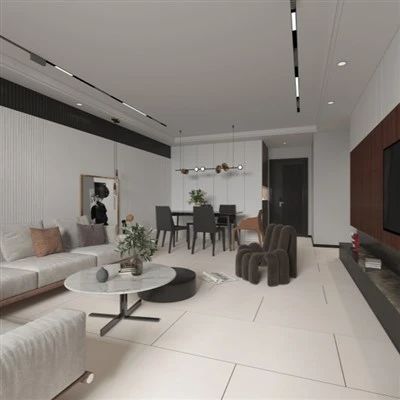
Floor tiles are an important material choice in residential developments, commercial buildings, hotels, retail spaces, and public facilities. For international buyers, selecting suitable floor tiles involves more than appearance. Product specifications, surface finishes, durability, size options, and supply consistency all influence purchasing decisions and project performance.
As demand for practical and visually coordinated flooring materials continues to develop, importers, distributors, contractors, and project developers are paying closer attention to tile quality and manufacturing capabilities. Understanding these factors helps buyers evaluate different products and make more informed sourcing decisions.
1. Different Types of Floor Tiles for Various Applications
Flooring requirements vary according to building type, traffic levels, and environmental conditions. A tile suitable for a private bedroom may not be the right choice for a hotel lobby or commercial corridor.
Porcelain tiles are widely used in flooring projects because of their low water absorption, structural strength, and resistance to everyday wear. They are suitable for many indoor applications, including living rooms, kitchens, bathrooms, offices, and commercial interiors.
Ceramic floor tiles are another option, particularly for projects where design flexibility and cost control are important. They are available in different colors, patterns, sizes, and surface treatments, allowing buyers to select products according to project requirements.
In addition to traditional ceramic and porcelain flooring, several decorative categories have become common in international tile markets:
Marble-look floor tiles: These reproduce the appearance of natural marble through printed patterns and surface treatments. They are frequently used in hotels, apartments, showrooms, and residential developments.
Wood-look floor tiles: Designed to resemble natural timber, these tiles provide a wood-inspired appearance while offering the practical characteristics of ceramic materials.
Stone-look floor tiles: Inspired by limestone, travertine, and other natural stones, they are suitable for contemporary and commercial architectural designs.
Concrete-look floor tiles: Their understated appearance makes them suitable for industrial-style interiors, offices, retail spaces, and modern residential projects.
For importers and distributors, maintaining a product range that covers different design preferences can help meet the requirements of various customer groups.
2. How Tile Size Influences Flooring Projects
Tile dimensions influence installation efficiency, visual proportions, transportation, and material planning. Choosing an appropriate size is therefore an important part of commercial purchasing.
Large-format floor tiles, such as 600×1200 mm and 750×1500 mm, are increasingly used in modern interior projects. Their larger surfaces create fewer grout lines, helping produce a more continuous visual effect. They are commonly specified for hotel rooms, living areas, reception spaces, and other interiors where a spacious appearance is preferred.
Medium-sized formats, including 600×600 mm and 800×800 mm, remain practical choices for residential developments, offices, and commercial buildings. Their dimensions are suitable for many conventional installation layouts and project requirements.
Smaller formats may also be appropriate for certain bathrooms, kitchens, and decorative flooring applications.
When purchasing floor tiles wholesale, buyers should consider more than the dimensions listed in a product catalogue. Actual thickness, dimensional tolerance, flatness, and batch consistency are also important.
For projects requiring large quantities, checking whether the manufacturer can maintain consistent specifications across different production batches is particularly important.
3. Surface Finishes and Their Practical Differences
Surface finish affects both the appearance and functional characteristics of floor tiles. Different finishes are developed to meet different architectural and usage requirements.
Polished tiles have a smooth, reflective surface that helps brighten interior spaces. They are frequently selected for living rooms, hotel reception areas, showrooms, and other interiors where a bright flooring effect is desired.
Matt floor tiles offer a more restrained appearance. Their non-reflective surface works well with contemporary, minimalist, and natural interior styles. Depending on the product design, matt finishes may also provide different levels of surface texture.
Satin finishes sit between polished and matt surfaces, offering a softer visual effect without strong reflection. They can be considered for projects that require a balanced decorative appearance.
Textured floor tiles are another important category. Their surface patterns can imitate natural stone, wood grain, or concrete. For bathrooms, entrances, and other areas where slip resistance matters, buyers should pay attention to the tested slip-resistance performance rather than relying on surface appearance alone.
The appropriate finish should always be selected according to the intended application, local building standards, and maintenance requirements.
4. Quality Factors Buyers Should Evaluate
For overseas B2B buyers, product quality is one of the most important considerations when choosing a floor tile manufacturer. A product may look attractive in a sample, but its suitability for large-scale projects depends on several measurable characteristics.
Water absorption is particularly relevant when selecting tiles for bathrooms, kitchens, and other moisture-exposed environments. Porcelain tiles generally have a water absorption rate of no more than 0.5% under the relevant classification standards. Buyers should request test reports to confirm product performance.
Abrasion resistance is another consideration, especially for commercial flooring exposed to frequent foot traffic. The appropriate classification depends on the intended use and applicable testing standards.
Dimensional accuracy also deserves attention. Variations in tile length, width, thickness, and flatness can affect installation quality and the final appearance of the flooring. Consistent manufacturing control helps reduce problems during construction.
Other factors include:
Surface quality and glaze consistency.
Resistance to staining and common household chemicals.
Breaking strength and structural performance.
Color consistency between production batches.
Packaging protection during international transportation.
For distributors and project purchasers, these details are useful when comparing products from different suppliers. Technical documents, physical samples, and inspection records provide a more reliable basis for evaluation than product photographs alone.
5. Matching Floor Tiles with Different Project Requirements
The choice of flooring material should reflect the actual conditions of each project.
In residential developments, buyers often prioritize appearance, maintenance, and compatibility with different interior styles. Neutral colors such as beige, grey, white, and light brown remain practical options because they can work with a wide range of furniture and wall finishes.
Hotels and hospitality projects may require different tile collections for guest rooms, corridors, restaurants, and public areas. Consistent design coordination is important, but each area must also meet its own performance requirements.
For shopping centers and office buildings, traffic levels and maintenance schedules are major considerations. Buyers should evaluate wear resistance, cleaning requirements, and the suitability of the selected finish for the intended environment.
Bathrooms and kitchens require additional attention to moisture exposure and slip resistance. Wall and floor tiles may share a similar visual design, but their technical suitability should be checked separately.
For outdoor applications, frost resistance, water absorption, surface performance, and local climate conditions should be considered before selecting products.
A clear understanding of project conditions allows importers and contractors to identify suitable specifications before placing large orders.
6. What Importers Should Consider When Sourcing Floor Tiles from China
China remains an important sourcing market for international ceramic tile buyers. For importers looking for a floor tile supplier in China, the purchasing process should include an assessment of production capability, product specifications, communication, and export experience.
The first consideration is whether the supplier's product range matches the target market. Different countries may have different preferences regarding tile dimensions, colors, surface finishes, and technical standards. A supplier with several product categories can make product selection and collection planning more convenient.
Second, buyers should evaluate production stability. For large orders, consistent color, dimensions, surface quality, and packaging are essential. Manufacturers should be able to explain their quality inspection procedures and provide relevant product information.
Third, packaging and transportation arrangements should not be overlooked. Ceramic tiles are fragile products, and international shipments involve multiple handling stages. Suitable cartons, internal protection, corner protection, and pallet arrangements help reduce transportation risks.
Buyers should also confirm container loading plans, order quantities, production schedules, and shipping arrangements before confirming an order.
For repeat purchasing, communication efficiency and the ability to maintain product specifications across orders can influence the long-term business relationship.
7. Production and Quality Control in Tile Manufacturing
The manufacturing process has a direct influence on the final quality of ceramic and porcelain floor tiles.
Production generally involves raw material preparation, mixing, pressing, drying, glazing or surface treatment, firing, sorting, and packaging. Each stage requires appropriate process control to maintain product consistency.
Raw material preparation affects the body composition and stability of the finished tile. Pressing determines the shape and density of the tile body, while firing conditions influence its physical properties.
After firing, products undergo sorting and inspection. Tiles are checked for dimensions, surface defects, color differences, and other quality indicators according to the applicable production requirements.
For export orders, inspection and packaging are particularly important because products must remain protected during storage, container loading, and long-distance transportation.
For buyers purchasing in bulk, understanding these manufacturing procedures helps them evaluate whether a supplier can meet the requirements of ongoing projects and repeat orders.
8. Future Considerations for the International Floor Tile Market
The international flooring market continues to develop alongside changes in architecture, construction methods, and interior design preferences.
Neutral colors, natural stone patterns, wood-inspired surfaces, and large-format dimensions remain important design directions in many markets. At the same time, commercial buyers are paying increasing attention to practical issues such as maintenance, installation efficiency, product consistency, and lifecycle costs.
For manufacturers and exporters, responding to these requirements involves maintaining stable production standards while offering product specifications that suit different market needs.
Digital surface printing and improvements in glazing technology have also expanded the design possibilities of ceramic tiles. Manufacturers can develop more detailed patterns and varied surface effects to meet changing project preferences.
However, appearance alone does not determine product suitability. Technical performance, production consistency, and compliance with destination-market requirements remain essential considerations.
Conclusion
Selecting suitable floor tiles requires a balance between design, technical performance, and purchasing requirements. For overseas distributors, importers, contractors, and project developers, understanding tile materials, dimensions, surface finishes, and quality standards can help reduce sourcing risks.
As a ceramic tile manufacturer based in Zibo, China, we focus on the production and export of ceramic and porcelain tiles for international markets. Understanding the requirements of different buyers and project applications provides an important foundation for product development, manufacturing, and long-term cooperation.
When evaluating a floor tile factory, buyers should consider not only the appearance of individual products but also production stability, quality inspection, packaging arrangements, and export experience. These factors contribute to more reliable purchasing decisions and consistent flooring solutions for different projects.

China Ceramic Tile Manufacturer
Golden State Ceramics has been deeply rooted in the ceramic industry for nearly two decades, collaborating with clients from over 50 countries to provide tailored ceramic tile solutions for diverse regional markets. In recent years, we have remained committed to staying ahead of market trends, developing more competitive products to meet the evolving needs of our global clientele.