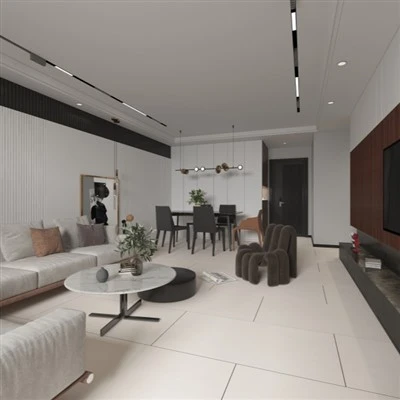
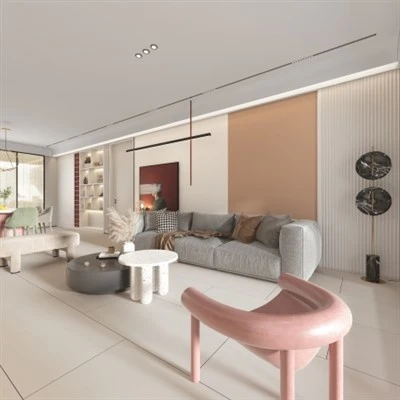
As an innovative technology in the field of architectural ceramics, dry grain tiles are transforming traditional perceptions of tiles with their unique texture and excellent performance. This new type of tile is created by applying specially formulated inorganic mineral particles to the tile surface and firing them at high temperatures. It not only enhances decorative aesthetics but also achieves multiple breakthroughs in practicality.
I. The Core Secret of Dry Grain Technology
The essence of dry grain technology lies in fusing micron-level glass particles onto the tile surface through a special process during production. These dry grains are actually a type of decorative glaze with special functions, historically referred to as "frit." From a technical perspective, the key difference between dry grains and ordinary glazes is that dry grains can achieve a thicker glaze layer, making the differences in tile surface texture more pronounced.
The glaze application process for dry grains is mainly divided into dry and wet methods. The wet process involves mixing dry grains with a suspending agent to create a glaze slurry, which is then applied to the tile surface via curtain coating or spray glazing. In contrast, the dry process involves first spraying adhesive, then spreading the dry grains, and finally spraying adhesive again to secure them. With technological advancements, it is now possible to combine the application of dry grains with inkjet printing, enabling precise overlay and positioning of digital dry grains and design patterns.
II. Four Core Advantages of Dry Grain Tiles
1. Unique Tactile Experience
Dry grain technology has completely transformed the cold, hard feel of traditional tiles, creating a soft, skin-like texture. Walking barefoot on these tiles no longer feels icy but pleasantly warm and smooth. This feature is particularly beneficial for families with children and the elderly, as it eliminates concerns about cold floors for crawling babies and reduces potential harm from hard surfaces to older individuals.
2. Excellent Optical Performance
Traditional glossy tiles reflect light harshly, while matte tiles can appear dull. Dry grain technology strikes the perfect balance-it creates a soft, gentle reflection where light seems to be wrapped in warmth, neither glaring nor dim. Technologies like micro-bead dry grains further enable a "matte-yet-bright" characteristic, with 95% of the spherical particles dispersing light in all directions, creating a premium texture.
3. Outstanding Physical Performance
The surface hardness of dry grain tiles can reach 6–7 on the Mohs scale, far surpassing ordinary tiles. Even scratching with a key leaves no marks. Their anti-slip performance is equally impressive, maintaining sufficient friction even when the surface is wet, which is particularly important for areas like kitchens and bathrooms.
4. Rich Decorative Effects
From antique matte finishes to candy-like glazes, metallic textures to three-dimensional reliefs, dry grain technology can achieve a wide range of surface effects. The latest electrostatic positioning technology even enables precise pattern placement with platinum or gold dry grains, meeting high-end customization needs. Each type of dry grain imparts a unique personality to the tile. For example, candy dry grains form a high-surface-tension glaze layer, producing a mesmerizing shimmer.

III. Main Categories of Granule Tiles
Candy Glazed Tiles
These tiles utilize a special granular glaze. After firing, the surface exhibits an even distribution of fine, sugar-like particles that sparkle under lighting. The tile appears transparent and glossy, similar to hard candy, and offers a delicate, exceptionally smooth touch that softens the typically cool feel of ceramic surfaces.
Soft Gloss Granule Tiles
This category achieves a gentle, non-glaring luster between 25 and 55 degrees by using specific matte glazes combined with fine granules. This finish provides superior visual comfort. It represents an ideal balance of practicality and aesthetics, making it perfectly suited for contemporary minimalist interior design.
Microbead Granule Tiles
This innovative technology forms granules into highly spherical shapes resembling tiny glass beads. It enables single-fire tile production, significantly reducing energy consumption. The resulting surface has a natural "soft-focus" optical effect, enhancing both the beauty and durability of the tile.
Antique / Textured Granule Tiles
This technology employs granules to replicate the natural weathering, textures, and unique imperfections found in materials like aged stone and wood. It creates decorative finishes with a sense of history and character. Whether mimicking realistic stone veins or creating abstract patterns, each tile features subtle, natural variations.
IV. Application Scenarios and Market Performance
Granule tiles are widely used in both high-end residential and commercial projects. In homes such as villas and large apartments, their versatile performance is fully utilized: soft gloss tiles create a warm ambiance for living room floors, anti-slip tiles ensure safety on bathroom walls, and stain-resistant tiles allow for easy cleaning in kitchens.
In commercial spaces, glossy granule tiles are often chosen for hotel lobbies to project an image of luxury. Anti-slip tiles are frequently installed in restaurants to maintain safety, while soft gloss tiles are preferred in offices to foster a comfortable working environment. A compelling example is a five-star hotel that installed microbead granule tiles throughout its public areas. The key reasons were exceptional durability-showing no scratches from luggage wheels even after a year-and a significant reduction in cleaning effort.

V. Selection and Maintenance Guide
When selecting granule tiles, it is important to feel the surface texture firsthand. A high-quality surface should feel consistently smooth, akin to silk. Examine the surface luster from multiple angles; premium products reflect light softly and evenly without any harsh glare. Conducting an on-site anti-slip test is also crucial-simply pour a small amount of water on a sample to assess its slip resistance.
For maintenance, the dense, low-porosity surface of granule tiles effectively resists stain absorption. Daily cleaning requires only wiping with a damp cloth. They are less prone to long-term issues common in some conventional tiles, such as color fading or deep-set stains. For tiles with pronounced textures, periodic use of a specialized tile cleaner is recommended to preserve their optimal appearance.

VI. Future Development Trends
Technological advancements are driving granule tiles toward greater environmental friendliness, customization, and smart integration. A growing number of manufacturers are incorporating recycled materials into granule production while optimizing firing processes to reduce energy consumption. With the support of digital design systems, it is becoming feasible for consumers to customize aspects such as granule distribution patterns, color combinations, and surface textures according to their personal taste.
Granule tiles are more than a decorative material; they represent an artistic application of surface treatment technology. By seamlessly integrating functional performance with aesthetic value, they offer expanded possibilities for modern spatial design. As technology continues to progress and consumer understanding deepens, granule tiles are set to play an increasingly vital role in the fields of architecture and interior decoration.