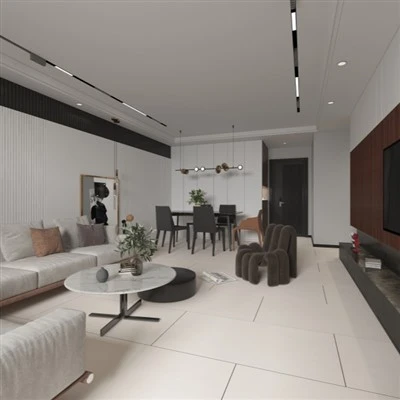
In recent years, wood-grain tiles have been favored in the global building decoration market because they combine the natural texture of wood with the durability of ceramic tiles.Its unique simulation effect and easy maintenance make it a popular choice to replace traditional wooden floors. This article will deeply analyze the synthesis method of wood-grain tiles to help industry practitioners and consumers better understand the technical core of this product.
The synthesis of wood-grain tiles mainly relies on advanced ceramic production technology, and its core processes include raw material ratio, pressing and forming, surface texture treatment and high-temperature sintering. First of all, the raw materials for producing wood-grain tiles are usually natural minerals such as kaolin, quartz sand and feldspar. These materials are precisely proportioned to form a uniform body. The quality of the body directly affects the strength and stability of the brick body, so the raw material screening and mixing process is crucial.
In the pressing and forming stage, modern ceramic production lines use high-pressure hydraulic presses to press the body into the required specifications. This process requires ensuring that the density of the brick body is uniform to avoid cracking or deformation problems in subsequent use. Subsequently, the natural texture of the wood is replicated on the surface of the brick body by inkjet printing or roller printing technology. Inkjet printing technology has become the mainstream texture production method due to its high precision and color reproduction. Some high-end products will also apply glaze on the surface to enhance anti-slip and wear resistance.
High-temperature sintering is the last step in the synthesis of wood-grain tiles and a key link in determining product quality. The brick body needs to be fired in a high-temperature kiln at around 1200℃ for several hours to completely vitrify the body and fix the surface texture. The sintered wood-grain tiles not only have the visual effect of wood, but also have waterproof, fireproof and corrosion-resistant properties far exceeding natural wood.
With the popularization of environmental protection concepts, some manufacturers have begun to use recycled materials or low-carbon sintering technology to reduce carbon emissions in the production process. In the future, the synthesis process of wood-grain tiles will be further optimized to meet the market demand for sustainable building materials. Mastering its core technology will help companies gain an advantage in international competition.