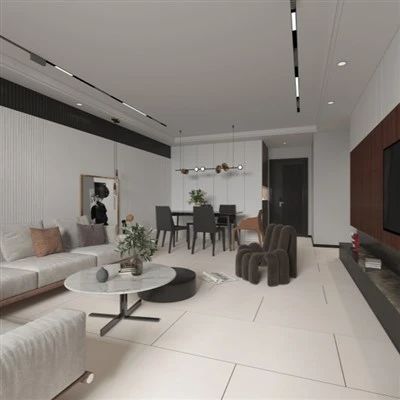
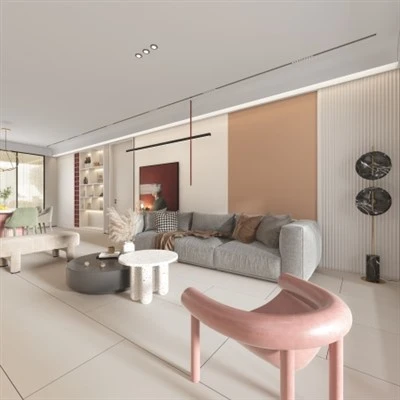
In recent years, wood grain bricks have been favored in the domestic and foreign architectural decoration markets because they have both the natural texture of wood and the durability of ceramic tiles. Its unique forming process is a key factor in determining product quality and appearance. This article will deeply analyze the key points of the forming technology of wood grain bricks.
The forming process of wood grain bricks is mainly divided into three links: raw material processing, pressing and surface treatment. First of all, the selection of raw materials is crucial. High-quality wood grain bricks usually use natural minerals such as kaolin and quartz sand as basic raw materials, and add an appropriate amount of color glaze to simulate the texture and color of wood. The raw materials need to be finely ground and mixed to ensure uniform particles and provide a stable foundation for subsequent forming.
Pressing is the core step in the production of wood grain bricks. A high-pressure hydraulic press is used to press the mixed raw materials into a blank, and the pressure usually reaches tens of tons to ensure that the blank has high density and strength. The design of the mold directly affects the texture effect of the brick body. Modern technology often uses high-precision steel molds or resin molds to restore the natural texture of wood through laser engraving technology, making the surface of the finished product more realistic. Some high-end products will also use secondary cloth technology to form a gradient color inside the body to enhance the visual layering.
The surface treatment process determines the final texture of wood grain tiles. Glazing is a common process. A layer of transparent or colored glaze is covered on the surface of the body by spraying or pouring glaze to enhance wear resistance and waterproofness. In recent years, the popularity of digital inkjet printing technology has made the texture of wood grain tiles more delicate and realistic, and even can restore the fine pores and scars of wood. Some products will also be polished or matte treated to meet the decoration needs of different scenes.
With the improvement of environmental protection requirements, the forming process of wood grain tiles is also constantly innovating. For example, low-temperature fast burning technology is used to reduce energy consumption, or recyclable raw materials are developed to reduce environmental impact. These advances not only improve production efficiency, but also promote the competitiveness of wood grain tiles in the global market. In the future, with the further application of digital and intelligent technologies, the forming process of wood grain tiles will be more accurate and efficient, bringing consumers a better decoration experience.