


As a supplier of Matte Terrazzo Tile, I often encounter questions from customers regarding the performance of our products under different environmental conditions. One of the most frequently asked questions is whether matte terrazzo tile is affected by sunlight. In this blog post, I will delve into this topic and provide a comprehensive analysis based on scientific knowledge and practical experience.
Understanding Matte Terrazzo Tile
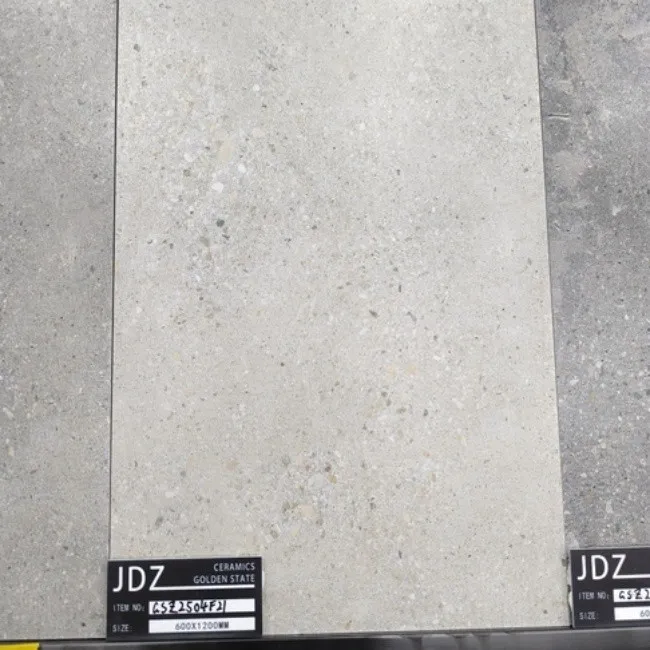
Before discussing the impact of sunlight on matte terrazzo tile, it's essential to understand what matte terrazzo tile is. Matte terrazzo tile is a type of flooring material that combines the classic look of terrazzo with a matte finish. Terrazzo has been used for centuries and is known for its durability and aesthetic appeal. It typically consists of chips of marble, quartz, granite, or glass embedded in a cement or resin matrix. The matte finish, on the other hand, gives the tile a non - reflective surface, which can create a more subdued and sophisticated look compared to glossy tiles.
The Components of Matte Terrazzo Tile and Their Resistance to Sunlight
Aggregates
The aggregates used in matte terrazzo tile, such as marble, quartz, and granite, are generally very resistant to sunlight. These natural stones have been formed over millions of years under extreme geological conditions. For example, quartz is one of the hardest minerals on Earth, with a Mohs hardness of 7. It is highly resistant to chemical weathering and discoloration caused by sunlight. Marble, although softer than quartz, also has good resistance to sunlight. However, some types of marble may be more prone to color changes over time, especially if they contain impurities.

Binders
The binders used in matte terrazzo tile can be either cement - based or resin - based. Cement - based binders are quite stable under sunlight. Portland cement, the most common type of cement used in construction, is known for its durability and resistance to environmental factors. It has been used in outdoor applications for many years and can withstand prolonged exposure to sunlight without significant degradation.
Resin - based binders, on the other hand, can be more sensitive to sunlight. Some resins may undergo a process called photodegradation when exposed to ultraviolet (UV) rays. Photodegradation can cause the resin to break down, leading to discoloration, cracking, or a loss of adhesion between the aggregates and the binder. However, modern resin - based binders often contain UV stabilizers, which can significantly reduce the risk of photodegradation.
Effects of Sunlight on Matte Terrazzo Tile
Color Fading
One of the most noticeable effects of sunlight on matte terrazzo tile is color fading. Over time, the pigments in the tile, whether in the aggregates or the binder, can be affected by UV rays. The intensity of the fading depends on several factors, including the quality of the pigments, the amount of sunlight exposure, and the duration of exposure.
For example, if a matte terrazzo tile is installed in a south - facing room with large windows that allow direct sunlight for several hours a day, the color of the tile may start to fade within a few years. However, if the tile is installed in a room with minimal sunlight exposure, the color fading may be negligible.
Surface Degradation
Sunlight can also cause surface degradation of matte terrazzo tile. The UV rays can break down the surface layer of the tile, making it more prone to scratches and wear. In addition, the heat from the sunlight can cause the tile to expand and contract, which can lead to cracking or spalling over time. This is especially true for tile installed in outdoor areas where temperature fluctuations are more significant.
Gloss Change
Although matte terrazzo tile has a non - reflective surface, prolonged exposure to sunlight can cause a change in the gloss level. The UV rays can break down the surface coating of the tile, making it more reflective in some areas. This can result in an uneven appearance, which may be undesirable for some customers.
Mitigating the Effects of Sunlight
Use of UV - Resistant Coatings
One way to protect matte terrazzo tile from the effects of sunlight is to apply a UV - resistant coating. These coatings can act as a barrier between the tile and the UV rays, reducing the risk of color fading and surface degradation. There are several types of UV - resistant coatings available on the market, including acrylic, epoxy, and polyurethane coatings.
Window Treatments
Another effective way to reduce sunlight exposure is to use window treatments such as blinds, curtains, or shades. These can be adjusted to control the amount of sunlight that enters the room, thereby protecting the matte terrazzo tile from excessive UV exposure.
Installation Location
When installing matte terrazzo tile, it's important to consider the installation location. If possible, avoid installing the tile in areas that receive direct sunlight for long periods of time. For outdoor installations, consider using the tile in shaded areas or areas that are protected by overhangs or awnings.
Conclusion
In conclusion, matte terrazzo tile can be affected by sunlight, but the extent of the impact depends on several factors. The aggregates in the tile are generally resistant to sunlight, but the binders and pigments may be more sensitive. Color fading, surface degradation, and gloss change are some of the potential effects of sunlight on matte terrazzo tile. However, by taking appropriate measures such as using UV - resistant coatings, window treatments, and careful installation, the negative effects of sunlight can be minimized.
If you are considering using matte terrazzo tile for your project and have concerns about sunlight exposure, feel free to contact us for more information. Our team of experts can provide you with detailed advice on product selection and installation to ensure that your matte terrazzo tile performs well under all environmental conditions. We are committed to providing high - quality products and excellent customer service, and we look forward to discussing your procurement needs with you.
References
- ASTM International. (20XX). Standards related to the performance of terrazzo materials.
- Building Science Corporation. (20XX). Research on the effects of sunlight on building materials.
- Tile Council of North America. (20XX). Guidelines for the installation and maintenance of terrazzo tile.


