


Hey there! As a kitchen floor tile supplier, I often get asked, "Are there any antibacterial kitchen floor tile options?" Well, you bet there are, and I'm here to spill the beans on all the deets.
First off, let's talk about why antibacterial kitchen floor tiles are a big deal. The kitchen is like the heart of the home, where we cook up delicious meals. But it's also a place where germs can run wild. From raw meat juices to food crumbs, there are plenty of things that can attract bacteria. And let's not forget about the spills and splashes that are bound to happen. Having antibacterial floor tiles can help keep the kitchen cleaner and safer, reducing the risk of foodborne illnesses and other health issues.
Now, let's get into the different types of antibacterial kitchen floor tiles available.
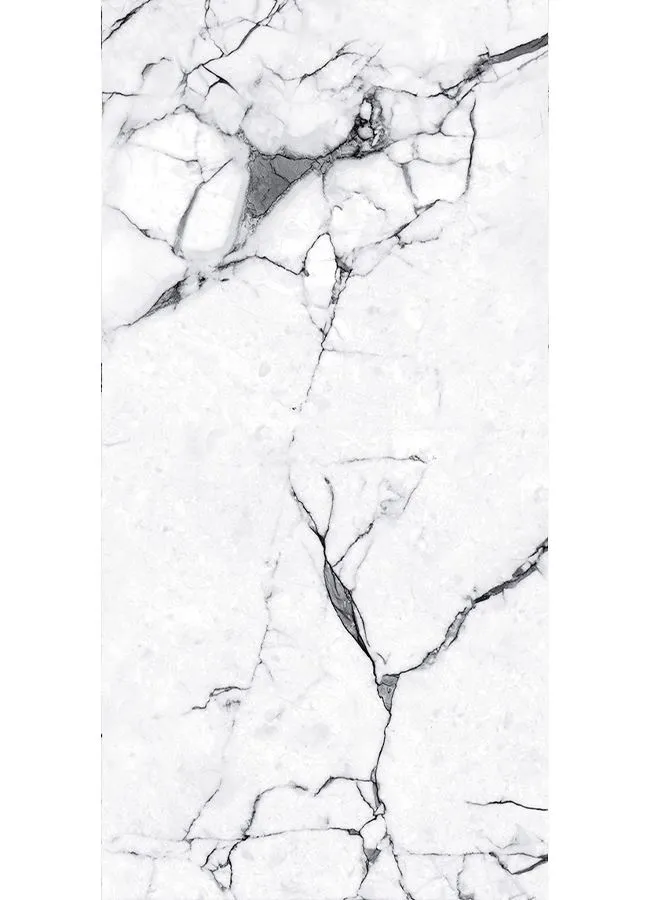
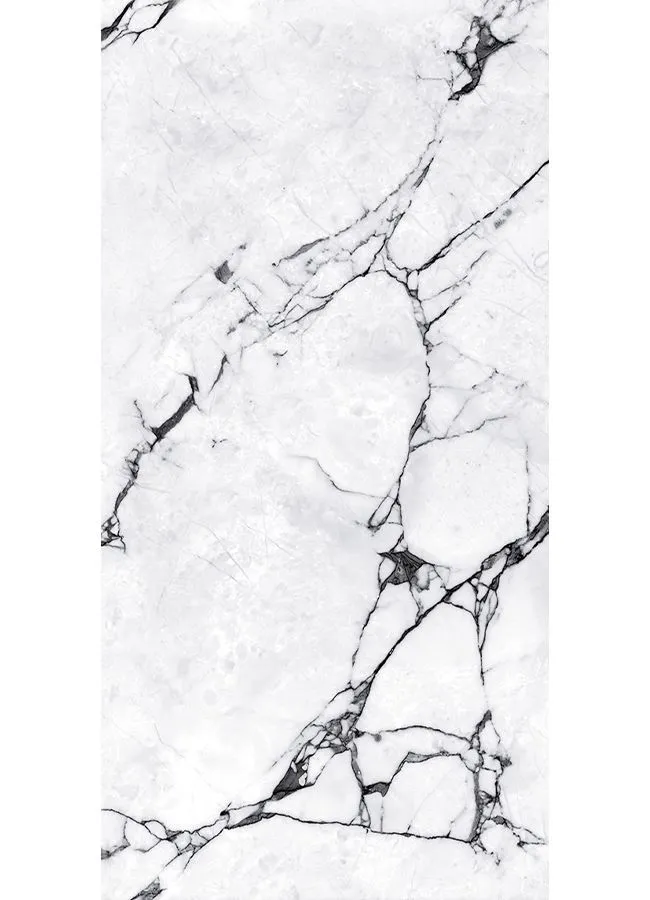
Ceramic Tiles
Ceramic tiles are a popular choice for kitchens, and many of them come with antibacterial properties. These tiles are made from clay that's fired at high temperatures, which makes them hard and durable. Some ceramic tiles are treated with special antibacterial agents during the manufacturing process. These agents can help prevent the growth of bacteria on the tile surface.
One great thing about ceramic tiles is that they come in a wide range of colors, patterns, and sizes. So, you can find the perfect tiles to match your kitchen's style. For example, you might like the Grey Stone Floor Tiles. They give a rustic and natural look to the kitchen, and at the same time, can be antibacterial.
Porcelain Tiles
Porcelain tiles are another excellent option. They're similar to ceramic tiles but are more dense and less porous. This means they're even more resistant to stains and moisture, which are breeding grounds for bacteria. Porcelain tiles are also very strong and can withstand heavy foot traffic, making them ideal for busy kitchens.
There are porcelain tiles with antibacterial coatings that can inhibit the growth of bacteria. These coatings are usually very thin and don't affect the appearance of the tiles. You could consider Plain Sand Color Carving Tile. The sand - color gives a warm and earthy feel to the kitchen, and the carving adds a unique touch.
Marble Tiles
Marble tiles are known for their elegance and beauty. They can add a touch of luxury to any kitchen. While marble is a natural stone, some polished marble floor tiles can be treated to have antibacterial properties. Polished Marble Floor Tiles not only look amazing but can also be made safer for your kitchen.
However, it's important to note that marble is a porous stone, so it needs to be properly sealed and maintained. If not, bacteria can get into the pores and cause problems. But with the right treatment and care, marble can be a great antibacterial option.
How Do Antibacterial Tiles Work?
Antibacterial tiles work in different ways. Some tiles have a surface that's designed to be inhospitable to bacteria. For example, the texture of the tile might make it difficult for bacteria to attach and grow. Other tiles have antibacterial agents embedded in them. These agents can release substances that kill or inhibit the growth of bacteria.
One common antibacterial agent used in tiles is silver ions. Silver has long been known for its antibacterial properties. When silver ions are released from the tile surface, they can disrupt the cell membranes of bacteria, preventing them from multiplying.
Maintenance of Antibacterial Tiles
Even though antibacterial tiles can help keep your kitchen cleaner, they still need regular maintenance. You should clean the tiles regularly with a mild detergent and water. Avoid using harsh chemicals that can damage the antibacterial coating or the tile itself.
Sweeping or vacuuming the tiles regularly to remove dirt and debris is also a good idea. This will prevent bacteria from having a food source and reduce the chances of them growing on the tile surface.
Benefits of Choosing Antibacterial Kitchen Floor Tiles
- Healthier Environment: As I mentioned earlier, antibacterial tiles can help reduce the risk of foodborne illnesses by keeping the kitchen floor free from harmful bacteria.
- Long - Lasting: Most antibacterial tiles are also very durable. They can withstand the wear and tear of a busy kitchen for many years.
- Aesthetic Appeal: With so many styles and colors available, you can choose antibacterial tiles that enhance the look of your kitchen.
Making the Right Choice
When choosing antibacterial kitchen floor tiles, there are a few things to consider. First, think about your budget. Some antibacterial tiles can be more expensive than regular tiles, but the long - term benefits might be worth the extra cost.
Also, consider the style of your kitchen. You want the tiles to match the overall design of the space. And don't forget about the practicality. Make sure the tiles are slip - resistant, especially if you have kids or elderly people in the house.
If you're still not sure which antibacterial kitchen floor tiles are right for you, feel free to reach out. I'm here to help you make the best decision for your kitchen. Whether you're renovating an old kitchen or building a new one, I can provide you with high - quality antibacterial tiles that meet your needs.
In conclusion, there are definitely antibacterial kitchen floor tile options available. From ceramic and porcelain to marble, you have a variety of choices in terms of style, durability, and antibacterial properties. So, why wait? Upgrade your kitchen with antibacterial floor tiles and enjoy a cleaner, safer, and more beautiful space.
If you're interested in purchasing antibacterial kitchen floor tiles or have any questions, don't hesitate to contact me. I'd love to have a chat and discuss your requirements. Let's work together to make your kitchen dreams come true!
References
- Consumer Reports. "Kitchen Flooring Guide."
- Tile Council of North America. "Antibacterial Tiles: What You Need to Know."


