


Hey there! As a ceramic floor tile supplier, I've seen firsthand how crucial it is to choose the right tiles for high - humidity areas. Whether it's a bathroom, a basement, or a laundry room, the wrong tiles can lead to a whole bunch of problems like mold growth, water damage, and slipping hazards. So, let's dive into how you can pick the perfect ceramic floor tiles for these tricky spots.
1. Consider the Porosity
One of the first things you gotta look at is the tile's porosity. Porosity refers to how much water the tile can absorb. In high - humidity areas, you want tiles with low porosity. Tiles that absorb a lot of water are more likely to crack, warp, and develop mold over time.
Ceramic tiles come in different grades, and the ones with a lower water absorption rate are generally better for humid spaces. For instance, porcelain tiles are a great option. They're a type of ceramic tile that's fired at a high temperature, which makes them very dense and less porous. This means they can withstand moisture without getting damaged easily.
On the other hand, some basic ceramic tiles might have a higher porosity. These are better suited for areas with less moisture. So, when you're shopping for tiles, check the product specifications to see the water absorption rate. Look for tiles with a water absorption rate of less than 0.5% for the best performance in high - humidity areas.
2. Look at the Slip Resistance
Safety is a big deal, especially in areas where the floor might get wet. You don't want anyone slipping and getting hurt. That's why slip - resistant tiles are a must for high - humidity areas.

The slip resistance of a tile is measured by its Coefficient of Friction (COF). A higher COF means the tile is more slip - resistant. For areas like bathrooms and showers, you should aim for tiles with a COF of at least 0.6.
Some tiles have a textured surface, which can increase their slip resistance. For example, tiles with a matte finish or a pebble - like texture are often more slip - resistant than glossy tiles. When you're at the store, you can ask to feel the tile surface to get an idea of its texture. And if you're buying online, look for product descriptions that mention slip resistance.
3. Think About the Size and Layout
The size and layout of the tiles can also make a difference in high - humidity areas. Larger tiles generally have fewer grout lines. Grout can absorb water and become a breeding ground for mold and mildew. So, using larger tiles can reduce the amount of grout on the floor, which in turn reduces the risk of mold growth.
However, larger tiles can be more difficult to install, especially in small or irregularly shaped areas. In those cases, smaller tiles might be a better option. You can also play around with different tile layouts to add some style to the space. For example, a herringbone or a basketweave pattern can look really cool.
4. Choose the Right Color and Style
Color and style are important too, because you want the tiles to match the overall look of the room. In high - humidity areas, lighter colors can make the space feel brighter and more open. They can also help to hide water stains and dirt better than darker colors.
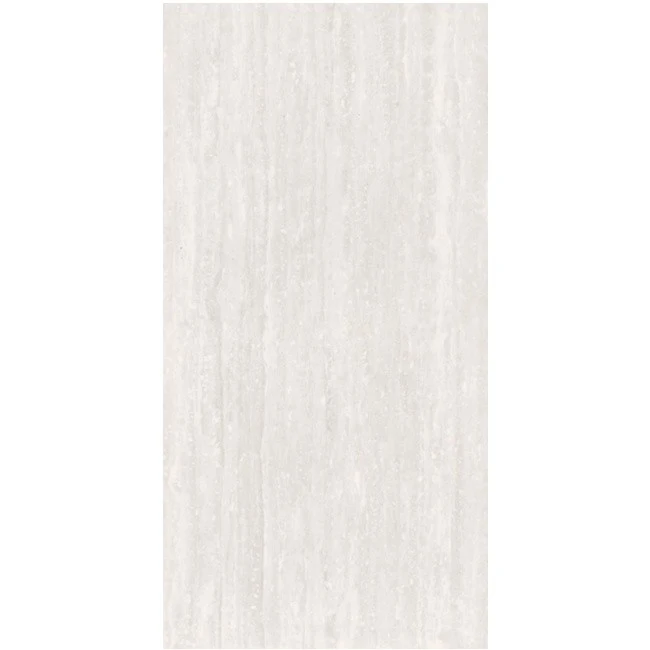
There are tons of styles to choose from. If you're going for a natural look, you might like Light Grey Travertine Flooring Tile. It has a beautiful, earthy appearance that can add a touch of elegance to any room. Or, if you prefer a warmer tone, Beige Sand Travertine Tile could be a great choice. And for a more neutral look, Sand Travertine Tile is a classic option.
5. Consider the Maintenance
Let's face it, nobody wants to spend hours cleaning their floors. That's why it's important to choose tiles that are easy to maintain. In high - humidity areas, you'll want tiles that can be easily wiped clean and don't require a lot of special care.
Tiles with a smooth surface are generally easier to clean than textured tiles. However, as we mentioned earlier, textured tiles can be more slip - resistant. So, you might have to find a balance between the two.
Also, make sure to use a good quality grout sealer. Sealing the grout can prevent water and dirt from seeping in, which makes it easier to clean. You'll need to re - seal the grout every few years, depending on the amount of traffic and moisture in the area.
6. Check the Durability
High - humidity areas can be tough on tiles. The constant exposure to moisture, temperature changes, and foot traffic can take a toll on the tiles over time. That's why you need to choose tiles that are durable.
Look for tiles that are rated for high - traffic areas. These tiles are usually more resistant to scratches, chips, and wear. You can also ask the supplier about the tile's durability and warranty. A longer warranty can give you some peace of mind, knowing that the tiles are backed by the manufacturer.
7. Get Samples
Before you make a big purchase, it's a good idea to get samples of the tiles you're considering. This way, you can see how they look in the actual space and under different lighting conditions. You can also test the slip resistance and feel the texture of the tiles for yourself.
Most tile suppliers are happy to send you samples. You can order them online or pick them up at the store. Take your time to compare the samples and see which ones you like best.
8. Work with a Professional
Installing ceramic floor tiles is not always a DIY job, especially in high - humidity areas. A professional installer has the experience and tools to ensure that the tiles are installed correctly. They can also help you with things like leveling the floor, cutting the tiles, and sealing the grout.
When you're looking for an installer, make sure to ask for references and check their reviews. A good installer can make a big difference in the final outcome of your project.
Wrapping Up and Reaching Out
Choosing the right ceramic floor tiles for a high - humidity area might seem like a daunting task, but if you follow these tips, you'll be well on your way to finding the perfect tiles. Remember to consider the porosity, slip resistance, size, style, maintenance, durability, and get samples before you make a decision.
If you're in the market for ceramic floor tiles, I'd love to help you out. As a supplier, I have a wide range of high - quality tiles that are perfect for high - humidity areas. Whether you're doing a small bathroom renovation or a large commercial project, I can provide you with the tiles and advice you need. Just reach out to me, and we can start discussing your project and finding the right tiles for you.
References
- Ceramic Tile Institute of America. (n.d.). Ceramic Tile Selection Guide.
- National Tile Contractors Association. (n.d.). Tile Installation Best Practices.


