


When it comes to bathroom design, white bathroom tiles have long been a popular choice. They bring a sense of cleanliness, elegance, and timelessness to any bathroom space. As a supplier of white bathroom tiles, I've had numerous customers inquire about various aspects of these tiles, and one question that often comes up is about their sound insulation properties. In this blog, I'll delve into what the sound insulation of white bathroom tiles is and why it matters.
Understanding Sound Insulation
Sound insulation refers to the ability of a material to reduce the transmission of sound from one area to another. In a bathroom setting, good sound insulation can be crucial. Bathrooms are places where water splashes, toilets flush, and people talk. Without proper sound insulation, these noises can easily carry over to other parts of the house, causing disruptions.
The sound insulation performance of a material is typically measured in decibels (dB). A higher dB rating indicates better sound insulation. For example, if a material has a sound insulation rating of 30 dB, it means it can reduce the sound level by 30 dB.
Factors Affecting the Sound Insulation of White Bathroom Tiles
Several factors influence the sound insulation capabilities of white bathroom tiles.
Tile Thickness
Thicker tiles generally offer better sound insulation. A thicker tile has more mass, which helps to absorb and dampen sound waves. When sound waves hit a thick tile, they are less likely to pass through compared to a thinner tile. For instance, a 10 - millimeter thick white bathroom tile will usually have better sound - insulating properties than a 5 - millimeter thick one.
Tile Material
The material of the white bathroom tile also plays a significant role. Different materials have different densities and structures, which affect how they interact with sound waves. For example, porcelain tiles, which are denser and more compact, tend to provide better sound insulation than ceramic tiles. Porcelain tiles have a lower porosity, which means there are fewer air pockets for sound to travel through.
Installation Method
The way the tiles are installed can impact their sound insulation. If the tiles are installed with proper underlayment, it can enhance the sound - insulating effect. An underlayment acts as an additional layer that absorbs and dampens sound. For example, using a rubber or cork underlayment beneath the white bathroom tiles can significantly improve the overall sound insulation of the floor.
Benefits of Good Sound Insulation in Bathrooms
Having good sound insulation in the bathroom offers several advantages.
Privacy
One of the most obvious benefits is privacy. In a shared living space, people may not want others to hear the sounds coming from the bathroom. Good sound insulation ensures that conversations, toilet flushes, and other bathroom noises are kept within the bathroom, providing a more private environment.
Comfort
Sound insulation also contributes to the overall comfort of the bathroom. A quiet bathroom is a more relaxing place to be. You can enjoy a peaceful bath or shower without being disturbed by external noises or having your own activities heard by others.
Noise Reduction in the Home
By reducing the sound transmission from the bathroom to other parts of the house, good sound - insulating white bathroom tiles can help create a quieter living environment. This is especially important in multi - story homes or apartments where noise can easily travel between floors.
Our White Bathroom Tiles and Sound Insulation
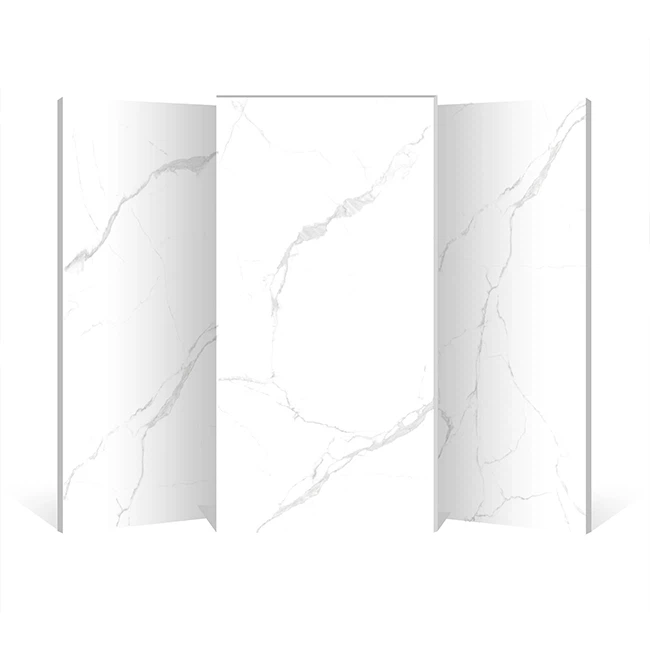
As a supplier of white bathroom tiles, we take pride in offering high - quality products with excellent sound insulation properties. Our White Marble Bathroom Floor Tile is a prime example. Made from high - grade marble, these tiles are thick and dense, providing superior sound insulation.
The marble material has a natural density that helps to absorb and block sound waves. Additionally, our installation guides recommend using a suitable underlayment to further enhance the sound - insulating capabilities of the tiles. We understand that every customer has different needs, and we are committed to providing products that meet those requirements.
How to Evaluate the Sound Insulation of White Bathroom Tiles
If you're considering purchasing white bathroom tiles and want to evaluate their sound insulation, there are a few things you can do.
Check the Manufacturer's Specifications
Reputable tile manufacturers usually provide information about the sound insulation performance of their products. Look for details such as the sound transmission class (STC) rating. The STC rating is a standardized measure of how well a material reduces sound transmission. A higher STC rating means better sound insulation.

Request Samples
Most suppliers, including us, are willing to provide tile samples. You can test the sound insulation of the samples by placing them on a hard surface and creating some noise above and below the tile. Listen carefully to how much sound is transmitted through the tile.
Consult with Experts
If you're still unsure about the sound insulation of the tiles, you can consult with a professional in the field, such as an acoustics engineer or a bathroom designer. They can provide more in - depth advice based on your specific needs and the layout of your bathroom.
Conclusion
In conclusion, the sound insulation of white bathroom tiles is an important aspect to consider when designing or renovating a bathroom. It not only provides privacy and comfort but also contributes to a quieter living environment. As a white bathroom tile supplier, we are dedicated to offering products that meet the highest standards of sound insulation.
If you're interested in purchasing our white bathroom tiles or have any questions about their sound insulation properties, we encourage you to get in touch with us. We'd be more than happy to discuss your requirements and help you find the perfect tiles for your bathroom.
References
- "Building Acoustics: Sound Insulation" by David C. Faber
- "Tile Installation Handbook" by Tile Council of North America


