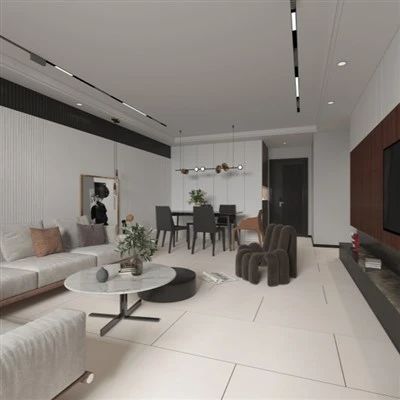
White tiles remain an important category in the global ceramic tile market as distributors, importers, project contractors, and building material buyers continue to look for versatile products that can be applied across different interior spaces. From residential apartments and villas to hotels, retail stores, and commercial projects, white tiles are widely used for walls, floors, bathrooms, kitchens, and other architectural surfaces.
For international buyers, sourcing white tiles is not simply a matter of choosing a color. Product consistency, surface quality, size availability, production capacity, packing standards, and supply stability can all affect purchasing decisions. As global projects increasingly require coordinated product specifications and reliable supply, manufacturers are also developing white tile collections with a wider range of finishes, formats, and application options.
As a major production region for ceramic and porcelain products, China continues to supply a broad selection of white tiles to international markets. For B2B buyers, understanding the available product types and manufacturing considerations can help improve sourcing efficiency and product selection.
Why White Tiles Remain a Stable Product Category
Interior design trends change regularly, but white remains a widely accepted color in architectural and decorative materials. One reason is its adaptability. White surfaces can be combined with wood, stone, metal, concrete, or other decorative materials without creating strong visual conflicts.
In smaller spaces, white tiles can also help create a brighter and cleaner appearance. In larger commercial projects, they provide a neutral foundation that can be adapted to different design concepts. This flexibility makes white porcelain tiles suitable for a wide range of markets and project types.
For distributors and wholesalers, another advantage is that white products can serve customers with different design preferences. Instead of being limited to a specific decorative style, white tile collections can be positioned for modern, minimalist, classic, Scandinavian, or contemporary interiors.
The category also offers opportunities for product differentiation. A white tile can vary significantly depending on its surface, texture, size, edge treatment, and production technology. As a result, buyers can build product ranges around polished white tiles, matte white tiles, textured wall tiles, marble-look white tiles, or large-format porcelain surfaces.
White Porcelain Tiles for Modern Construction Projects
Among different product categories, white porcelain tiles are increasingly used in projects that require durability and flexible application. Porcelain tiles are generally suitable for areas where buyers require products with stable physical performance and consistent production standards.
For wall applications, white porcelain products can provide a clean and uniform decorative surface. For flooring, manufacturers may offer matte, structured, or other finishes depending on the intended application. The growing availability of different formats also allows buyers to select products according to market demand.
Common formats may include smaller wall tile sizes, standard square tiles, rectangular tiles, and larger porcelain slabs or panels. The right size often depends on transportation conditions, installation preferences, local market trends, and project requirements.
Large-format white porcelain tiles have attracted attention in modern residential and commercial interiors because they can reduce the number of visible grout lines and create a more continuous visual effect. However, smaller and medium-sized products continue to maintain stable demand because they can be easier to transport, handle, and install.
For B2B buyers, maintaining a balanced size range can be more practical than relying on a single format. A supplier with flexible production options may help importers and distributors adjust their purchasing strategy according to different customer groups.
Surface Finishes Create More Product Options
White tiles are no longer limited to a simple glossy surface. Manufacturing technology has expanded the available decorative options, allowing suppliers to develop products with different visual and tactile characteristics.
Glossy white tiles are often used in wall applications where brightness and light reflection are important. They can be suitable for bathrooms, kitchens, and other interior spaces that require a clean appearance.
Matte white tiles offer a softer and more contemporary visual effect. They are commonly considered for modern residential interiors and commercial projects where designers prefer reduced surface reflection.
Textured products can add another layer of differentiation. Linear patterns, geometric structures, stone-inspired textures, and subtle relief designs allow white ceramic tiles to provide decorative value without relying on strong colors.
Marble-look white tiles are also an important product direction. These products combine a light background with grey, beige, or other natural-looking veins, creating the appearance of natural stone while maintaining the manufacturing advantages associated with ceramic or porcelain tile production.
For importers, surface diversification can help create a more complete product portfolio. Instead of offering only one standard white product, distributors may combine glossy, matte, textured, and marble-look options to serve different customer requirements.
White Wall and Floor Tile Applications Continue to Expand
The versatility of white wall and floor tiles makes them suitable for different segments of the construction and renovation market. In residential projects, they can be used in bathrooms, kitchens, living areas, hallways, and balconies, depending on the product specifications and surface finish.
Bathrooms remain an important application area. White wall tiles can create a clean visual environment and can be combined with darker floors, wood-look surfaces, or decorative accessories. For projects that require a more uniform appearance, coordinated wall and floor products may also be developed within the same collection.
In kitchens, white tiles can be used for backsplashes, walls, and flooring. Their neutral appearance allows them to work with cabinets and countertops in different colors.
Commercial applications may include hotels, retail spaces, office buildings, restaurants, and public interiors. However, commercial projects often have more specific requirements related to size consistency, surface performance, packaging, delivery schedules, and batch stability.
For this reason, buyers should evaluate white wall and floor tiles according to the actual application rather than selecting products based only on appearance. Technical specifications, intended use, installation conditions, and local project standards should all be considered during product selection.
What International Buyers Should Evaluate When Sourcing White Tiles
Color consistency is one of the important factors when purchasing white ceramic or porcelain products. Even small differences in shade may become noticeable when tiles are installed across a large surface.
Buyers should therefore pay attention to shade control and batch consistency, especially for project orders. Working with a manufacturer that follows stable production procedures can help reduce unnecessary differences between shipments.
Size accuracy is another important consideration. Consistent dimensions can support installation efficiency and help create a more uniform finished surface. Depending on the product type, rectified edges may also be required for projects that prefer narrow grout joints and a more continuous appearance.
Surface quality should also be checked according to the intended market. Buyers may evaluate gloss levels, texture consistency, printing quality, edge condition, and other visible characteristics before confirming a large order.
Packaging should not be overlooked. Export orders may involve long-distance transportation, container loading, warehousing, and local distribution. Appropriate cartons, pallets, edge protection, and loading arrangements can help reduce potential damage during the supply process.
For a long-term white tile manufacturer, production capacity and communication efficiency are equally important. Buyers may need to confirm available sizes, lead times, minimum order quantities, packaging options, and the manufacturer's ability to maintain product specifications across repeat orders.
China's Role in the Global White Tile Supply Chain
China remains an important manufacturing base for ceramic and porcelain products, supported by established supply chains and large-scale production capabilities. Different production regions offer a wide range of tile categories, including wall tiles, floor tiles, polished porcelain, matte porcelain, marble-look products, and decorative surfaces.
For overseas buyers, working with a China white tile supplier can provide access to a broad selection of sizes, finishes, and design options. However, supplier selection should focus on more than product catalogs.
Buyers should understand whether a company is an actual manufacturer, how its production process is managed, what quality inspection procedures are used, and whether the factory can support export requirements. Communication regarding specifications should also be clear before production begins.
For example, important purchasing details may include product size, thickness, surface finish, shade requirements, packing method, loading quantity, labeling, and delivery schedule. Confirming these details at an early stage can help reduce misunderstandings during production and shipment.
Manufacturers with export experience are generally more familiar with international packaging requirements, container loading, documentation, and communication with overseas customers. For B2B cooperation, these operational details can be as important as the product itself.
Developing a More Competitive White Tile Product Range
For distributors and wholesalers, the competitiveness of a white tile collection often depends on product structure rather than a single design.
A basic range may include standard white wall tiles for general construction and renovation markets. Additional matte or textured products can target customers looking for more contemporary surfaces. Marble-look or stone-inspired designs may serve premium residential and commercial projects.
Size diversification can also help buyers reach different market segments. Standard formats may support regular retail demand, while larger formats can be introduced for projects and customers looking for a more modern visual effect.
At the same time, inventory management should be considered carefully. A wide product range may create more sales opportunities, but excessive variation can increase inventory pressure. B2B buyers therefore need to balance product diversity with realistic purchasing volumes.
Working with a flexible white tile manufacturer may allow buyers to adjust their product mix according to changing market demand. This can be particularly useful for importers that serve multiple customer groups or operate in different regional markets.
Quality Control Remains Important for Long-Term Supply
White surfaces can make certain production issues more visible than darker or heavily patterned designs. For this reason, quality control plays an important role throughout the manufacturing process.
Raw material preparation, pressing, glazing, firing, sorting, and packaging can all influence the final product. Manufacturers need to monitor production consistency to maintain stable appearance and dimensional quality.
Before shipment, product inspection may include checks related to size, shade, surface condition, flatness, edge quality, and packing. The specific inspection standards can vary depending on the product and customer requirements.
For project-based orders, buyers may also require sample confirmation before mass production. This process allows both sides to establish a clear understanding of the required product appearance and specifications.
Long-term cooperation is generally easier when product standards are clearly documented. Buyers and suppliers can use approved samples, product specifications, and packing requirements as references for future orders.
The Future of White Tiles in International Markets
Although interior design preferences continue to change, white remains a stable foundation in the global tile market. Future development is likely to focus less on simple color selection and more on surface technology, size options, application flexibility, and production consistency.
Manufacturers are continuing to develop products that combine white backgrounds with subtle stone patterns, textures, relief designs, and different surface finishes. These developments allow white tile collections to remain relevant across both traditional and contemporary design markets.
For international B2B buyers, the sourcing process is also becoming more focused on reliability. Product appearance remains important, but buyers increasingly evaluate manufacturing capability, quality management, supply stability, and communication efficiency when selecting long-term partners.
As global construction and renovation markets continue to create demand for versatile surface materials, white tiles are expected to remain an important category for distributors, wholesalers, contractors, and project buyers. The key is not simply to offer a white product, but to provide suitable designs, consistent quality, practical specifications, and reliable supply for different market requirements.
For companies sourcing from China, cooperation with an experienced China white tile supplier can provide access to a broad range of white ceramic and porcelain products. By combining appropriate product selection with stable manufacturing and clear quality standards, international buyers can develop white tile collections that meet the needs of both retail and project-based markets.

China Ceramic Tile Manufacturer
Golden State Ceramics has been deeply rooted in the ceramic industry for nearly two decades, collaborating with clients from over 50 countries to provide tailored ceramic tile solutions for diverse regional markets. In recent years, we have remained committed to staying ahead of market trends, developing more competitive products to meet the evolving needs of our global clientele.