The 3 Hard Metrics You Must Check Before Buying Tiles
1. Water Absorption Rate (Porosity)
This is the single most critical performance factor.
Porcelain tiles (absorption ≤ 0.5%) are the gold standard for kitchens and bathrooms.
Lower absorption = higher stain resistance and freeze-thaw durability.
Pro tip: Drop water on the back of a sample-if it soaks in quickly, reject it.
2. Slip Resistance (Safety First)
For wet areas (showers, pool decks), look for DCOF ≥ 0.42 (dynamic coefficient of friction).
For bathroom floors, choose R11 or higher (ramp test rating).
Warning: Matte finish does not equal slip-resistant-always verify the tested DCOF/R rating.
3. Abrasion Resistance (PEI Rating
PEI Class 4 – ideal for high-traffic living rooms and hallways.
PEI Class 3 – suitable for bedrooms and low-traffic zones.
Pet owners: Avoid soft-gloss and "skin-feel" glazed tiles-they scratch easily under pet claws.
These three specs determine durability and safety far more than pattern or color. Never compromise on them.
Space-by-Space Tile Selection Guide (2026 Updated)

Top 3 Trending Style Combinations for 2026
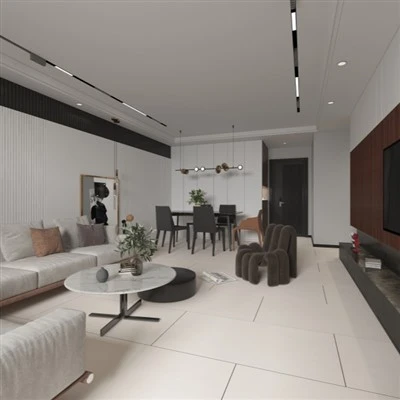
--Modern Minimalist Luxe – Large-format marble-look porcelain with continuous veining (grey/white base) + metallic baseboards. High-gloss or semi-polished surfaces amplify natural light.
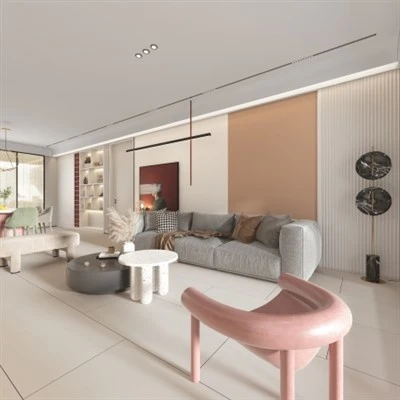
--Creamy Aesthetic (Milky/Buttery Tone) – "Skin-feel" matte or velvet-touch tiles in ivory and oat shades. Use color-matched grout for a monolithic look. Pair with rattan furniture and linen curtains.
--Wabi-Sabi / Raw Organic – Handmade-look or cement-effect tiles in small formats, with wide joints and dark contrasting grout – all-matte surfaces, embracing natural shade variation and irregular edges.
8 Critical Pitfalls to Avoid (Checklist Before Purchase)
No "project surplus" lots – different batch numbers = colour variation. Confirm all cartons share the same shade number before accepting delivery.
Waste factor – calculate 5–8% for straight lay, 10–15% for diagonal/herringbone patterns.
Wait 48 hours after installation before grouting – allows cementitious base to cure and prevents shrinkage cracks.
Never use one tile type for the whole house – each zone has unique slip/wear requirements.
Inspect every box at delivery – if shade numbers mismatch, refuse the entire pallet
Large-format slabs (≥900×1800mm) may incur ~3% breakage during handling – order extra pieces upfront.
Grout colour – choose matching or slightly lighter than the tile to visually minimise grid lines.
Quick water-drop test – when sampling, drop water on the unglazed back. If it absorbs within 30 seconds, reject – it's low-density/over-fired poor quality.