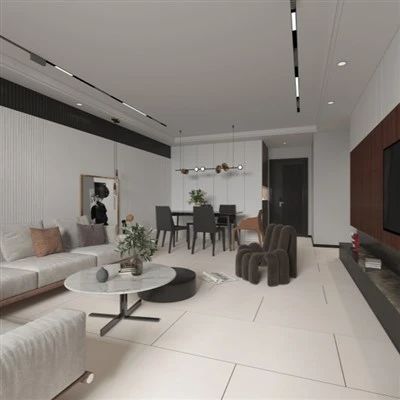
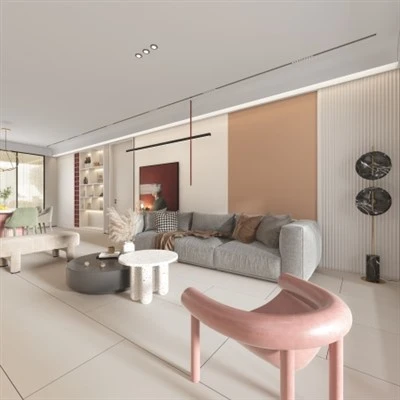
In recent years, the wall tile industry has continued to develop in the global construction and home decoration fields, showing a trend of diversification, environmental protection and intelligence. As consumers' requirements for home aesthetics and environmental performance continue to increase, the wall tile market is undergoing a profound change, showing new directions from product design to production processes.
Design innovation drives personalized demand
The design of wall tiles is no longer limited to traditional geometric patterns and single colors, but is developing in a personalized and artistic direction. Designers use technologies such as 3D printing and digital inkjet to create more visually impactful wall tile products to meet consumers' needs for unique home styles. At the same time, popular trends such as retro style, industrial style, and minimalism have also affected the design direction of wall tiles, making the market present more abundant choices. In addition, customized wall tile services have gradually emerged, and consumers can adjust the size, texture and color according to their personal preferences, further promoting the personalized development of the industry.
Environmental protection and sustainable development have become the core direction
Against the background of increasing global environmental awareness, the wall tile industry is actively adopting more environmentally friendly production processes and raw materials. Many companies have begun to use recycled materials, low-carbon firing technology, and optimize energy use to reduce carbon emissions. In addition, the demand for functional wall tiles such as antibacterial, anti-slip, and easy-to-clean is also growing, especially in commercial spaces and public buildings. These innovations not only improve the practicality of wall tiles, but also meet the requirements of modern buildings for green building materials.
Intelligent and digital production improves efficiency
The application of intelligent manufacturing technology is changing the production model of wall tiles. The introduction of technologies such as automated production lines, artificial intelligence quality inspection, and big data analysis has greatly improved production efficiency while reducing labor costs and resource waste. Digital design tools also make customized production of wall tiles more convenient, allowing companies to respond to market demand more quickly.
In the future, the wall tile industry will continue to focus on design innovation, environmentally friendly production, and intelligent development to provide global consumers with better products and services. With the advancement of technology and changes in consumer trends, the wall tile market is expected to usher in a new round of growth opportunities.