Terrazzo Tiles: Modern Innovation Under the Retro Trend
In the field of interior design, a material carrying the collective memory of generations is making a strong comeback in a new posture-terrazzo. However, the protagonist of this return is not the flooring of old school buildings we remember, but its upgraded version: terrazzo tiles. Perfectly blending the aesthetic genes of traditional terrazzo with the convenience of modern technology, they have become a favorite among designers and homeowners.
I. From Traditional to Modern: What Are Terrazzo Tiles?
First, let's clarify a concept. Traditional terrazzo is an on-site casting process that mixes crushed stone materials like marble and granite with cement or epoxy resin binders. After laying, curing, and multiple rounds of grinding and polishing, it becomes durable but is prone to complexities like cracking, large surface pores, and lengthy construction cycles.
Terrazzo tiles, on the other hand, are porcelain tiles that use modern production techniques (such as inkjet printing and high-temperature sintering) to accurately replicate the texture and color patterns of terrazzo. They are not cast on-site but come as standardized finished products ready for installation. In short, they have the "face of terrazzo" but the "heart of a tile."

II. Why Choose Terrazzo Tiles? What Are Their Core Advantages?
The popularity of terrazzo tiles stems from their multiple advantages in both aesthetics and practicality.
High Aesthetic Value and Unlimited Design Possibilities:
This is their most compelling attraction. Modern inkjet technology can realistically simulate mixed effects of various stones, glass, and metal particles. Colors, particle sizes, and distribution density can be customized-from subtle gray-white bases to bold color collision, and from fine small particles to exaggerated marble fragments. The versatile styles cater to minimalist, retro, and industrial design needs.
Excellent Physical Performance:
Durability: High Mohs hardness makes them highly resistant to scratches and wear, suitable for high-traffic commercial and residential areas (e.g., living rooms, hallways).
Easy Maintenance: The dense, smooth surface is non-porous and stain-resistant. Daily cleaning requires only a damp mop, eliminating the need for regular waxing like traditional terrazzo.
Diverse Sizes and Easy Installation: Available in sizes from small formats to extra-large slabs, with fewer seams for a more integrated look. Installation is as straightforward as conventional tiles, saving time and effort.
Cost-Effectiveness and Consistency:Compared to high-end natural marble, which can cost hundreds per square meter, terrazzo tiles offer similar decorative effects at a more affordable price. They also avoid issues like color variation and uncontrollable patterns inherent in natural stone, ensuring excellent batch consistency.
III. Applications of Terrazzo Tiles
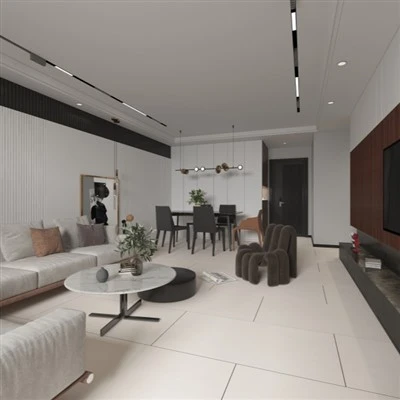
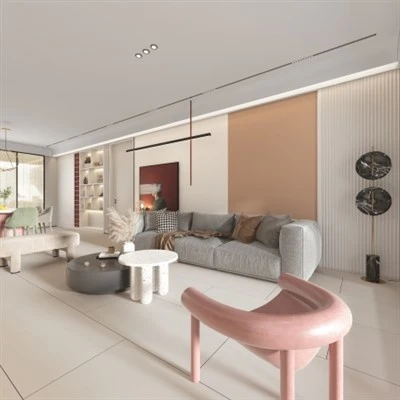
Their strong adaptability makes them suitable for almost any corner of the home.
Floors: Ideal for creating cohesion in living rooms, bedrooms, and hallways.
Walls: Perfect for kitchen and bathroom walls, especially with water-resistant porcelain tiles that resist oil splatters while serving as visual highlights.
Countertops and Furniture: Large-format terrazzo tiles can be precision-cut for kitchen countertops or tabletops, offering unique character.
Accent Features: For those hesitant about large-scale use, small applications like bathroom dry areas, entryways, or accent walls can make a striking impact.

IV. Tips for Selection and Installation
Check the Texture: Opt for products with natural, layered particle distribution, avoiding stiff patterns or overly repetitive "fake terrazzo" designs.
Define the Style: Gray and white bases are the most versatile for modern minimalist styles, while colorful particles suit retro or artistic spaces.
Balance Pairings: Since terrazzo patterns are already rich, pair them with solid-colored walls, cabinets, and furniture to achieve a "balance of complexity and simplicity." Materials like metal, wood, and glass harmonize well.
Focus on Grouting: Use grout close to the tile's base color to minimize seam visibility, creating a seamless, high-end look.
Conclusion
In summary, terrazzo tiles represent a successful "Renaissance." They are not a simple replication of the past but leverage technology to enhance strengths and avoid weaknesses, transforming a material full of historical and artistic charm into a high-quality product that meets modern lifestyle and aesthetic needs. If you are looking for a decorative material that combines personality, durability, and style, terrazzo tiles are undoubtedly a compelling choice.
https://www.jdztile.com/terrazzo-tile/terrazzo-porcelain-tile/terrazzo-white-tile.html