In recent years, as a core category of building decoration materials, floor tiles are experiencing significant changes in technology iteration and market demand. From traditional ceramics to modern composite materials, the production process, functionality and environmental protection properties of floor tiles have become the focus of the industry. This article will analyze the latest developments in the field of floor tiles from three aspects: technology upgrades, application scenario expansion and international trade dynamics.
In terms of material innovation, floor tiles have broken through the limitations of a single ceramic material. New porcelain tiles have significantly improved compressive strength and wear resistance through high-pressure molding and high-temperature sintering technology, and are suitable for high-traffic commercial spaces. At the same time, environmentally friendly floor tiles have become a research and development focus. For example, tiles made from recycled industrial waste not only reduce carbon emissions, but also meet the certification requirements of the European and American markets for sustainable building materials. Some manufacturers have even launched photocatalytic self-cleaning floor tiles, which decompose surface pollutants through nano-coating technology, further expanding the functional boundaries of floor tiles.
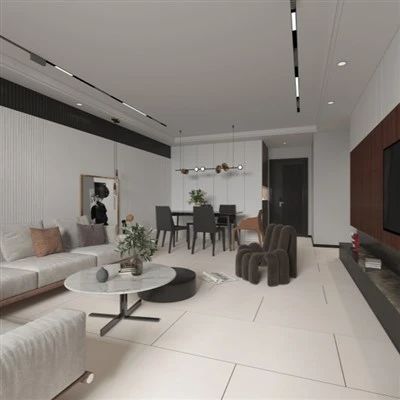
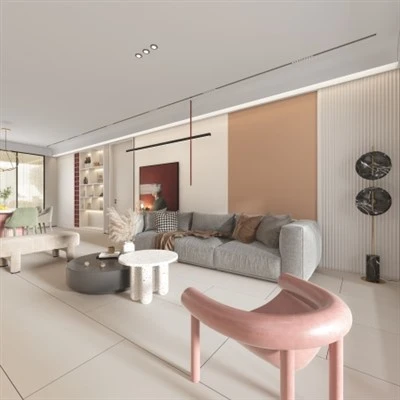
The diversification of application scenarios has promoted the differentiation of floor tile design. Traditional imitation stone and wood-grain floor tiles still occupy the mainstream market, but the demand for personalized customization services has surged. Foreign trade data shows that customers in the Middle East and Southeast Asia prefer tiles with bright colors and complex patterns for religious buildings and high-end residences; while the European market prefers a minimalist style, emphasizing the balance between low water absorption and anti-slip performance. In addition, large-size floor tiles have a higher penetration rate in high-end projects in Europe and the United States due to their characteristics of reducing joint gaps and improving the overall sense of space.
Changes in the international trade environment have brought new opportunities and challenges to the floor tile industry. Adjustments in tariff policies and fluctuations in logistics costs have prompted companies to optimize their supply chain layout, and Southeast Asian countries have gradually become emerging manufacturing centers with their labor cost advantages. On the other hand, digital marketing has become a breakthrough, and cross-border e-commerce platforms have enabled small and medium-sized manufacturers to directly connect with global buyers, and the proportion of customized small-batch orders has increased significantly. It is worth noting that some countries have raised environmental protection standards for imported building materials, forcing manufacturers to accelerate technological transformation to meet international standards.
In the long run, competition in the floor tile industry will focus on technological innovation and green transformation. Companies need to keep up with international standards and integrate smart production with sustainable concepts in order to take the initiative in the wave of globalization. In the future, floor tile products that combine aesthetic value and functionality may become a key engine to drive industry growth.