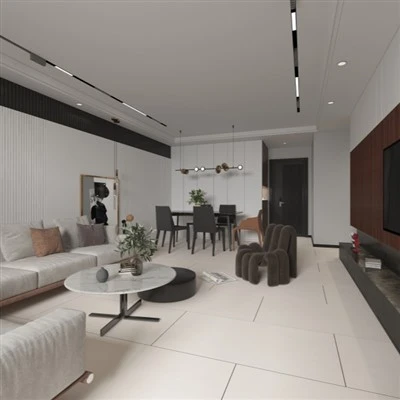
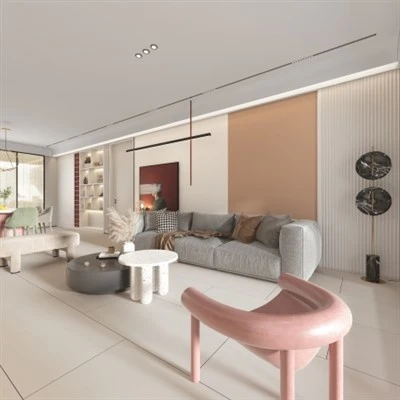
Porcelain floor tiles are rapidly replacing natural stone and conventional ceramics in global building materials markets, driven by superior physical performance, exceptional design flexibility, and unmatched cost-effectiveness. For international project procurement officers, architects, and developers, porcelain tiles have become a priority specification across hotels, shopping centres, airports, hospitals, and high-end residential developments. This guide examines the core characteristics, manufacturing technology, key applications, and procurement criteria for these versatile products – helping B2B buyers make informed, risk-aware decisions.
What Are Porcelain Floor Tiles? And How Do They Differ from Standard Ceramics?
Many international buyers confuse "ceramic tiles" with "porcelain tiles". By technical classification, porcelain tiles fall under ISO 13006 group BIa, with water absorption strictly controlled below 0.5%, whereas ordinary ceramic tiles typically have absorption rates above 3%. This single metric determines porcelain's superior density, strength, and long-term durability.
Manufacturing begins with natural minerals – kaolin, feldspar, and quartz – fired at temperatures exceeding 1200°C to achieve full vitrification. This virtually eliminates micro-pores, preventing stain penetration, moisture expansion, and freeze-thaw cracking – a critical advantage for projects in humid coastal regions or climates with extreme seasonal temperature swings.
Six Core Competitive Advantages of Porcelain Floor Tiles
1. Ultra-Low Absorption – Maximum Durability
With water absorption as low as 0.5% or less, this material resists discolouration, peeling, and mould even after prolonged exposure to water, grease, and chemical cleaners. For hotel lobbies, hospital corridors, and food-processing facilities where hygiene is paramount, these products are a far more reliable choice.
2. Mohs Hardness Above 7 – Scratch Resistance You Can Count On
Fired under high pressure and temperature, these tiles achieve Mohs hardness of 7–8 – second only to diamond and corundum. Standard polished tiles rate only 5–6, while natural marble sits at just 3–4. In real-world conditions, they withstand metal trolleys, abrasive grit, and even heavy equipment traffic without visible wear – ideal for airports, retail centres, and industrial floors.
3. Chemical Resistance & Zero Penetration
The dense, non-porous body resists acid and alkali attack effectively. Whether from kitchen grease, acidic spills, or laboratory chemicals, routine cleaning restores the surface completely. The absence of micro-pores also prevents bacterial and mould growth – a feature that supports NSF antibacterial certification and EU CE compliance, particularly valued in healthcare and food-industry environments.
4. Consistent Colour & Controlled Shade Variation
Natural stone's greatest drawback is unpredictable shade variation – even tiles from the same quarry can differ significantly. Porcelain floor tiles, manufactured with digital inkjet technology and precisely controlled kiln atmospheres, deliver consistent colour, pattern, and size across every batch. For large chain stores or government projects, this ensures seamless restocking and significantly reduces long-term maintenance and inventory risk.
5. Customisable Slip Resistance
Depending on the application, these tiles can be produced with a range of slip-resistance levels – from R9 for general interiors to R11 and above for pool surrounds and external ramps. This design flexibility meets safety regulations without compromising aesthetics – eliminating the need for additional anti-slip grooving that would be required with natural stone.
6. Lower Lifecycle Costs
While the upfront cost may exceed standard ceramics, a full lifecycle analysis – including maintenance, replacement cycles, and energy use – reveals significant long-term savings. In a typical mid-sized hotel, for example, floor maintenance frequency can be reduced by over 60%, with a service life of 20–30 years and no need for regular waxing or sealing. For return-focused commercial clients, this economic case is compelling.
Key Application Scenarios
Commercial Complexes & Retail Spaces
Large-format porcelain floor tiles (600×1200mm, 900×1800mm) combined with through-body colour technology enable near-seamless installation, creating an upscale, elegant commercial environment. Their impact resistance handles daily shopping-cart traffic, while surface gloss levels can be maintained above 85 degrees – preserving the original appearance for years.
Healthcare & Educational Facilities
For environments with strict hygiene standards, antibacterial glaze technology on these products reduces the survival rate of E. coli and S. aureus by over 99%. Zero formaldehyde and zero radioactive emissions also support LEED green building certification – contributing valuable points for environmentally conscious projects.
Industrial & Warehouse Applications
For heavy-duty storage areas subject to forklift traffic, these tiles deliver flexural strength exceeding 45MPa – far surpassing the 15–20MPa of conventional concrete floors. Anti-static variants are also available to eliminate electrostatic accumulation and protect sensitive electronic components.
Outdoor Landscaping & Public Plazas
Thanks to their ultra-low absorption, these products perform reliably in freeze-thaw cycling down to -30°C – with no cracking or delamination. This makes them an increasingly popular alternative to granite in cold-climate regions, including Scandinavia and Canada.
Procurement Guidance for International Buyers
Glaze Quality & Ink Sourcing
High-quality options use imported glazes from Spain or Italy, which offer superior colour saturation and wear resistance. Always request third-party test reports and pay close attention to PEI wear rating and UV weathering performance.
Flatness & Dimensional Tolerances
International projects generally require flatness deviations within ±0.5mm and edge straightness within ±0.3mm. Before placing bulk orders, request actual measurement data from the same production batch to avoid later issues with hollowing or warping due to thermal expansion.
Supply Chain & Delivery Capability
Given the lengthy lead times involved in ocean freight and customs, prioritise manufacturers with monthly output exceeding 500,000 square metres. Also verify that packaging solutions include reinforced wooden crates, waterproof stretch film, and ISPM-15 pallet fumigation certification to minimise transit breakage.
Fire Safety & Environmental Compliance
European and American markets impose stringent fire-safety standards on building materials. These tiles should achieve Euroclass A1 non-combustible certification, supported by REACH compliance declarations and Environmental Product Declarations (EPD). For certain Middle Eastern tenders, additional SASO certification may also be required.

Golden State Ceramics has been deeply rooted in the ceramic industry for nearly two decades, collaborating with clients from over 50 countries to provide tailored ceramic tile solutions for diverse regional markets. Every April and October, we showcase our latest collections at the Guangzhou Foshan Expo, where our products have earned widespread acclaim from both domestic and international customers. In recent years, we have remained committed to staying ahead of market trends, developing more competitive products to meet the evolving needs of our global clientele.
IF YOU WOULD LIKE TO GET MORE INFORMATION ABOUT TILES, PLEASE CONTACT US!
Eponine
WHATSAPP:+86 13767012914
EMAIL:eponine@goldenstatetile.cn