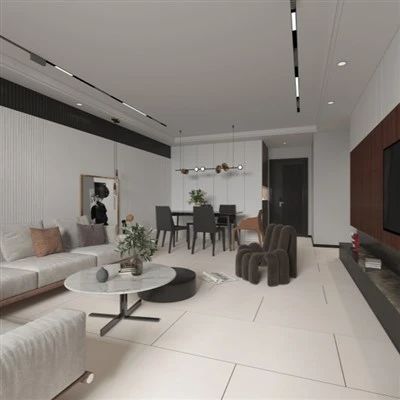
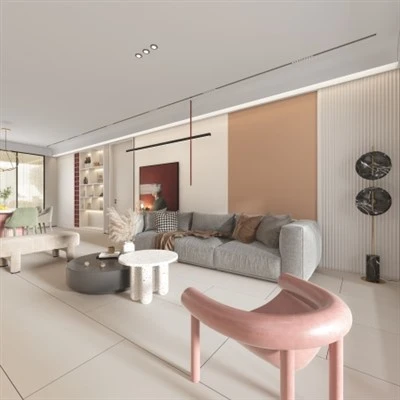
What Are Polished Tiles?
Polished tiles, as the name suggests, are tiles with a high-gloss surface finish. Through fine polishing or glazing, their reflectance typically exceeds 55 degrees, with premium products achieving mirror-like effects above 90 degrees. Common types include polished porcelain, polished glazed tiles, and vitrified tiles. Their defining characteristic is a smooth, reflective surface that effectively captures and distributes light, enhancing overall interior brightness.
Three Core Advantages of Polished Tiles
1. Space Enhancer – A Lifesaver for Small Homes
For rooms with limited natural light or compact floor plans, polished tiles act as a visual magician. Like a mirror, they reflect both natural and artificial light, reducing a sense of confinement and making spaces feel more open and airy. With polished tiles, even a modest home can achieve the feel of a much larger layout.
2. Extremely Easy to Clean – A Boon for Busy Households
This is one of the most appreciated benefits of polished tiles. Their smooth, dense surface resists dirt and grime. Whether it's water spots, grease, or dust – a simple swipe with a mop restores them to a like-new shine. Compared to matte tiles, which can trap dirt in their textured surfaces, polished tiles require minimal daily upkeep.
3. Elevates Home Aesthetics – Creates a Luxurious Atmosphere
High-gloss tiles deliver strong visual impact. When paired with recessed lighting or crystal chandeliers, they produce a grand, opulent feel. In spaces like living rooms and hotel lobbies where impressions matter, polished tiles remain an unmatched choice for sophistication.
Buying Guide – What to Watch Out For
Despite their many benefits, there are key considerations when selecting polished tiles:
Gloss level – Brighter isn't always better. For home use, a gloss level between 70 and 80 degrees is recommended – bright enough to enhance the space without causing excessive glare or light pollution.
Wear resistance – Scratches on polished surfaces are highly visible. Choose products with a Mohs hardness of 5 or above to ensure they maintain their pristine appearance over years of use.
Slip resistance – This is a common concern, but modern manufacturing has addressed it effectively. Test by pouring a little water on the sample – look for tiles with special anti-slip treatments or fine-textured surfaces that perform safely in kitchen and bathroom applications.
Best Application Scenarios
Open-plan living and dining areas – This is where polished tiles truly excel. Large-format options (such as 750×1500mm) laid seamlessly with colour-matched grout create an expansive, uninterrupted visual flow.
Hallways and corridors – These narrow spaces often suffer from poor natural light. Polished tiles reflect available light effectively, turning dim passageways into bright transitions.
Modern minimalist and light-luxury styles – Polished tiles pair perfectly with metal, glass, and marble-vein elements – capturing the refined, contemporary urban aesthetic.
Final Word
Polished tiles remain a mainstream choice in today's home renovation market – thanks to their brightening effect, low-maintenance nature, and sophisticated visual appeal. They are more than just a floor covering – they are a key element in enhancing living quality and bringing your space to life.
If you're planning a renovation, consider polished tiles to transform your home from dull to dazzling – and embrace a space revolution of light and beauty.