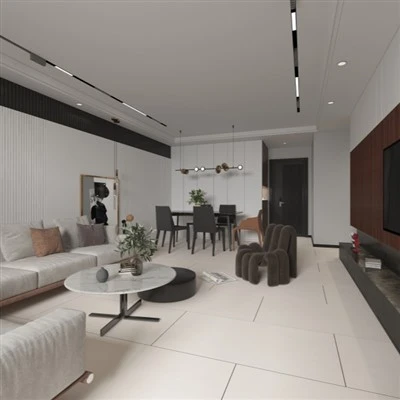
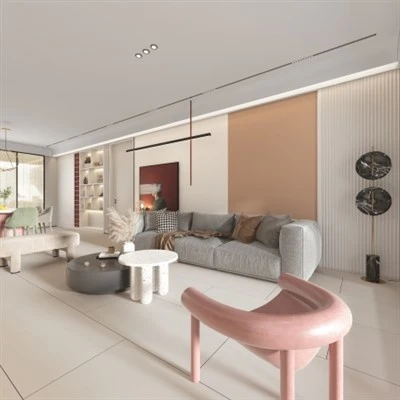
Micro-cement tiles, put simply, are "tiles that have the face of micro-cement." Through processes like digital glazing and dry granules, they replicate the delicate, matte, textured finish of micro-cement on the tile surface. However, at their core, they remain traditional tiles, offering durability, water resistance, and easy maintenance.
With the rise of styles like Wabi-sabi and minimalism in recent years, these tiles have become a popular choice. Here's what you need to know from several key perspectives:
Why Are They So Popular? - Core Advantages
- Aesthetic Appeal: Featuring low-saturation shades of gray, beige, and coffee, their matte finish delivers a sophisticated, non-dazzling look, effortlessly creating a calm, cohesive spatial atmosphere.
- Durable and Tough: Don't let their artistic appearance fool you-these are still tiles at heart. They offer reliable water resistance, fire resistance, abrasion resistance, and stain resistance. Unlike real micro-cement coatings, they're not finicky. Grease and dirt in kitchens and bathrooms can be wiped away with ease.
- Relatively Low Maintenance: Real micro-cement involves complicated application and lengthy curing times, and it's prone to cracking and staining. Micro-cement tiles, however, are installed much like regular tiles, making the process efficient. Plus, there's no need for protective coatings later, keeping maintenance costs low.
- "Faux" Seamless Effect: Typically using large formats like 600×1200mm or 750×1500mm, combined with close-joint installation (gaps around 0.5mm) and color-matched grout, these tiles create a nearly continuous, extended visual effect.
Are There Any Downsides? - Things to Consider
- The Reality of Joints: After all, they are tiles. No matter how tight the installation, physical gaps remain, so you can't achieve the absolute seamless, joint-free look of real micro-cement.
- Cost and Installation: Due to complex manufacturing processes (like mold dry granules and digital glazing), these tiles are typically more expensive than standard polished tiles, depending on the brand and size. Moreover, achieving that "seamless" look demands highly skilled tilers and a perfectly level subfloor. Grout color mismatch can also significantly impact the final result.
- Texture Limitations: The patterns are printed or pressed in batches. Even with low repetition rates, they can't match the natural, random feel of hand-troweled real micro-cement.
- Scratch Resistance and Slip Resistance: While the matte glaze is hard, dragging sharp, heavy objects across the surface may still leave marks. Additionally, some smoother finishes can become slippery when wet. For homes with elderly or young children, be sure to choose tiles with a high slip-resistance rating.
Where Do They Work Best? What Styles Do They Match?
- Styles: Naturally suited for Wabi-sabi, minimalism, modern simplicity, and industrial styles. They're also popular in cream-style interiors lately, as their low-saturation tones balance the warmth and coolness of materials like wood, leather, and metal.
- Spaces: They look fantastic when laid continuously throughout living rooms and bedrooms. Their stain and water resistance makes them a natural fit for kitchens and bathrooms. They also hold up well on balconies exposed to sun and rain. However, if you prefer the opulent look of glossy tiles, these might feel too "cold" and understated.
Tips for Selection and Purchase
If you're considering using micro-cement tiles, here's some advice: Prioritize 600×1200mm. Take large samples to view under different lighting conditions at your actual site. For installation, be sure to hire an experienced tiler. The subfloor must be leveled meticulously. Most importantly, test and match the grout color on-site before committing-a noticeable grout line mismatch can ruin the entire high-end aesthetic.