Glossy Tiles vs. Soft-Matte Tiles
The debate between glossy tiles and soft-matte tiles is one of the hottest topics in home renovation right now. In this article, we break down the differences across six key dimensions to help you make the right choice-fast.
1. First, Get the Definitions Straight
Glossy tiles: Gloss level of 60° or above – mirror-like, highly reflective. Common types include polished porcelain and fully polished glazed tiles.
Soft-matte tiles: Gloss level of 15°–30° – smooth to the touch, refined, with zero glare. Common types include soft-polished tiles and skin-feel glaze tiles.
Important: Don't confuse soft-matte with matte. Soft-matte feels smooth under your fingers; true matte has a textured, grainy surface.
2. Aesthetic Comparison
Glossy tiles deliver a grand, luxurious look – ideal for classic European, neo-classical, or traditional styling.
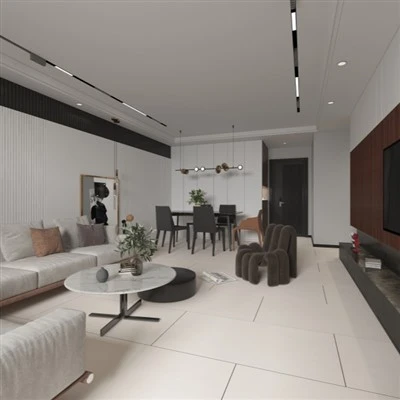
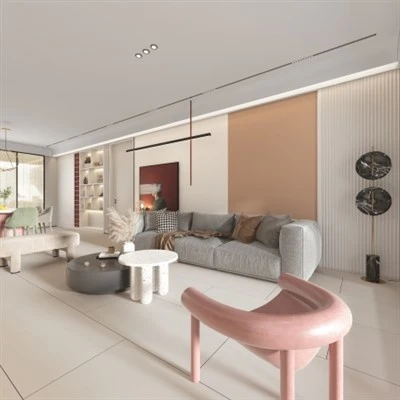
Soft-matte tiles offer an understated, foggy elegance – perfect for modern minimalist, ultra-simple, or wabi-sabi interiors.
Current trends show soft-matte tiles gaining strong popularity among younger homeowners and designers. That said, taste is subjective – if you love the sparkle, glossy is still a perfectly valid choice.
3. Ease of Maintenance
Glossy tiles win on cleanability – their dense, smooth surface repels dust and liquids. A quick mop and they're spotless. However, their downside is visibility: every hair, every footprint, every speck shows up clearly.
Soft-matte tiles come in two tiers:
High-quality soft-matte (e.g., skin-feel glaze series) – excellent stain resistance, often even easier to maintain than glossy because they don't show water spots.
Low-quality soft-matte – microscopic pores on the surface can trap soy sauce, red wine, or other liquids if not wiped immediately, leaving permanent marks.
Bottom line: Soft-matte is a great choice – but buy good quality. If your budget is tight, glossy tiles are the safer, hassle-free option.
4. Compatibility with Recessed / No-Main-Light Designs
This is the most critical difference.
Under a no-main-light / recessed lighting scheme, glossy tiles suffer from severe "water ripple" reflection – light fixtures and bulbs bounce off the floor, creating scattered glare and a cheap, busy look.
Soft-matte tiles, by contrast, use diffuse reflection – light disperses evenly across the surface, creating a soft, comfortable, and visually calm floor.
Our recommendation: If your home uses recessed or no-main-light design, choose soft-matte tiles without hesitation. If you have traditional ceiling-mounted lights, either option works well.
5. Slip Resistance
Glossy tiles become slippery when wet – use with caution in bathrooms, balconies, or open kitchens.
Soft-matte tiles typically carry a slip-resistance rating of R9–R10 – safe for everyday use. However, for shower areas, we still recommend dedicated anti-slip tiles.
6. Price Comparison