Glazed Tiles: The Beauty of Shine and the Choice of Practicality
Glazed tiles, as one of the most widely used materials in modern architectural decoration, perfectly blend artistic beauty with practical functionality. Behind their smooth and glossy surface lies the wisdom of materials science. This article will provide an in-depth understanding of the composition, types, advantages and disadvantages, as well as key points for selection and maintenance of glazed tiles.
https://www.jdztile.com/floor-tile/glazed-floor-tile/marble-design-matt-glazed-floor-tile.html
I. What Are Glazed Tiles?
Simply put, glazed tiles are ceramic tiles made by applying a layer of glaze to the tile body (bisque) and firing it at high temperatures. You can think of it as a "sandwich" structure:
Bisque: The base layer of the tile, typically made from raw materials such as clay and quartz sand, which determines the tile's hardness, toughness, and density. The bisque can be ceramic or porcelain, with porcelain bisque (low water absorption) offering superior performance.
Glaze: A thin, glass-like layer covering the bisque. This glaze is made by mixing mineral raw materials like quartz, feldspar, kaolin, and metal oxides in specific proportions. After high-temperature firing, this layer vitrifies, forming a dense, hard, and smooth surface.
This "glaze" is the core source of all the characteristics of glazed tiles.

II. Main Types of Glazed Tiles
Depending on the glazing technique and effect, glazed tiles can be categorized into the following types:
 By Gloss Level:
Glossy Glazed Tiles: Mirror-like surface that effectively reflects light, making spaces appear bright and spacious. Ideal for areas with poor natural light, such as kitchens and bathrooms, but can be slippery when wet and prone to showing scratches and footprints.
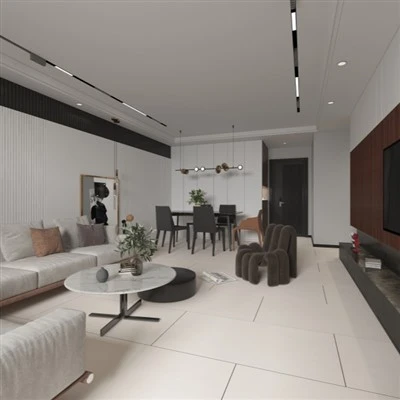
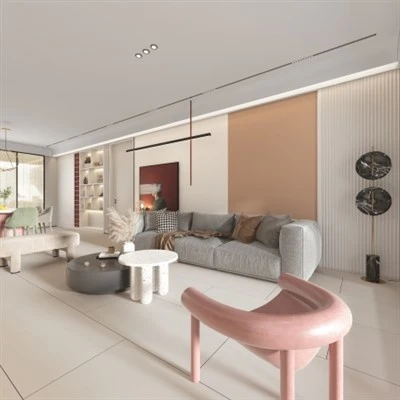
Matte Glazed Tiles: Soft, non-glare surface with a retro and understated texture. Creates a warm and comfortable ambiance. Offers better slip resistance and scratch resistance than glossy tiles, making them a popular choice for home decoration.
Satin Glazed Tiles: Gloss level between glossy and matte, providing visual comfort and combining the elegance of matte with the sophistication of glossy. Easy to maintain.
By Surface Effect:
Smooth Glazed Tiles: Flat and smooth surface, the most common type.
Textured/Molded Glazed Tiles: The bisque is pressed with special molds to create concave and convex textures, enhancing slip resistance and adding a three-dimensional, artistic feel to the space.
Antique Glazed Tiles: Special glazes and techniques create a distressed, vintage visual effect, often with richer color and texture variations.
Special Process Categories:
Decorative/Border Tiles: Glazed tiles with intricate patterns, often used as wall accents to add a finishing touch.
Functional Glazed Tiles (Antibacterial/Slip-Resistant): Glazes infused with antibacterial agents like silver ions or designed with special anti-slip textures, suitable for spaces with high hygiene and safety requirements.
III. Advantages and Disadvantages of Glazed Tiles
Advantages:
Rich Colors and Patterns: The glaze allows for almost limitless possibilities in colors, patterns, and textures, highly mimicking materials like stone, wood, and concrete, with exceptional decorative appeal.
Strong Stain Resistance: The dense glaze prevents liquids and stains from penetrating, making daily cleaning easy-just wipe with a damp cloth.
Cost-Effective: Compared to through-body tiles or sintered stone, glazed tiles are relatively inexpensive to produce, offering great value for wall and floor decoration.
Disadvantages:
Relatively Poor Wear Resistance: The glaze is less hard than the bisque of through-body tiles. Dragging heavy objects on the surface may cause scratches, making them less suitable for high-traffic commercial floors.
Bisque-Glaze Bonding Issues: If production techniques are subpar, differences in the expansion coefficients of the bisque and glaze may lead to cracking (especially when used on floors under heavy pressure).
Lack of Uniformity: The surface is only a layer of glaze. Once damaged, the underlying bisque is exposed, which often differs in color from the surface, making repairs difficult.

IV. Selection, Installation, and Maintenance Guide
Selection Tips:
Look: Observe the surface under light for flatness, smoothness, and the absence of bubbles or color variations.
Listen: Tap the tile-a clearer, crisper sound indicates higher bisque density and better vitrification, signifying better quality.
Feel: For tiles of the same specification, a heavier weight usually indicates denser and more solid bisque materials.
Test: Drip water on the back of the tile and observe the absorption rate. Slower absorption indicates better tile stability, suitable for wet areas.
Installation and Maintenance:
Soak the tiles before installation (essential for ceramic bisque) to prevent them from absorbing moisture from the cement mortar, which could cause hollowing or detachment.
Use neutral cleaners for daily cleaning to avoid corroding the glaze with strong acids or alkalis.
Avoid scratching the surface with sharp, hard objects. For floor use, add protective pads to furniture legs.
Conclusion
In summary, glazed tiles, with their dazzling decorative appeal, excellent stain resistance, and affordable price, are an ideal choice for wall applications and dry-area floors in home decoration. By understanding their characteristics and selecting them based on the usage space (e.g., preferred for walls, used with caution on floors) and personal needs, these glossy tiles can add lasting brilliance to your home life.