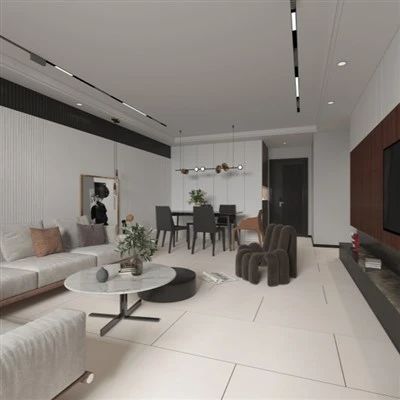
Understanding Floor Tile Requirements in Modern Construction
Floor tiles play an important role in residential, commercial, and public construction projects. As building standards and interior design requirements continue to evolve, buyers are paying closer attention to tile dimensions, surface finishes, durability, and installation requirements. For importers, distributors, contractors, and project developers, selecting suitable floor tiles involves more than comparing colors and patterns. Product consistency, technical specifications, and long-term performance are also important considerations.
In international tile purchasing, different markets have different preferences regarding tile sizes, colors, surface treatments, and application standards. Understanding these differences helps buyers select products that match local demand and project requirements. Manufacturers also need to consider these factors when developing product collections for overseas markets.
1. Floor Tile Specifications and Their Applications
Tile dimensions directly influence the appearance, installation process, and overall layout of a project. Common floor tile sizes include 600×600 mm, 600×1200 mm, 750×1500 mm, and other large-format options.
Smaller square tiles are frequently used in residential spaces, apartments, and standard commercial interiors. Their dimensions make them relatively convenient for conventional layouts and replacement projects. They are also suitable for distributors serving markets where traditional tile sizes remain popular.
Rectangular tiles offer more flexibility in interior design. They can create visual direction and help establish a more spacious appearance. Larger formats are increasingly used in hotels, shopping centers, office buildings, and modern residential developments.
However, large-format floor tiles require careful consideration of substrate flatness, handling, cutting, and installation methods. Buyers should evaluate whether the selected dimensions are appropriate for local construction conditions rather than choosing products based on appearance alone.
For wholesale orders, maintaining consistent specifications across different production batches is equally important. Differences in dimensions can affect installation efficiency and increase material waste on large projects.
2. Surface Finishes and Their Functional Differences
Surface finish is another important factor when selecting floor tiles. Different finishes influence visual appearance, cleaning requirements, and suitability for specific environments.
Polished tiles feature a smooth, reflective surface that helps distribute light throughout an interior. They are commonly selected for living rooms, hotel lobbies, reception areas, and other spaces where a bright appearance is preferred.
Matte tiles provide a softer visual effect with less surface reflection. They are often used in contemporary residential projects, commercial interiors, and spaces designed around natural materials. Their understated appearance also makes them suitable for minimalist and modern architectural styles.
Textured tiles offer additional surface variation. Depending on the manufacturing process, textures can imitate natural stone, wood grain, cement, or other materials. These products are frequently considered for projects requiring a more distinctive surface appearance.
When choosing a finish, buyers should also review its maintenance requirements and technical characteristics. For areas exposed to water, appropriate slip-resistance performance should be verified according to the applicable local standards. A matte or textured appearance alone does not automatically guarantee suitable slip resistance.
3. Material Selection: Ceramic and Porcelain Floor Tiles
Ceramic and porcelain tiles are widely used in the international flooring market, but their properties and applications can differ.
Ceramic floor tiles are generally produced from clay-based materials and are available in various colors, sizes, and decorative finishes. They are commonly used in residential interiors and selected commercial environments where the specified technical performance is sufficient.
Porcelain tiles are manufactured using carefully controlled raw materials and firing conditions. They generally have lower water absorption than conventional ceramic tiles, making them suitable for a wider range of applications.
For commercial projects, buyers often pay attention to water absorption, breaking strength, abrasion resistance, surface hardness, and dimensional accuracy. These specifications should be evaluated against the intended application and relevant testing standards.
The choice between ceramic and porcelain products should be based on project requirements, local market expectations, installation conditions, and purchasing budgets. Neither material should be selected solely because of its product category.
4. Color and Design Trends in the Floor Tile Market
Color selection influences the overall atmosphere of an interior and can affect the commercial positioning of a tile collection.
Neutral colors remain widely used in residential and commercial developments. Beige, light grey, warm white, and soft brown tones are frequently selected because they can be combined with different furniture styles and architectural materials.
Grey floor tiles are often associated with contemporary industrial and minimalist interiors. Their relatively neutral appearance allows them to work with metal, glass, wood, and concrete elements.
Beige and cream-colored products are commonly used in hospitality projects, residential developments, and interior spaces where a warmer visual effect is preferred.
Marble-look floor tiles continue to attract attention in projects requiring the appearance of natural stone. Different patterns, including white marble, grey veining, and darker stone effects, provide options for various architectural styles.
Wood-look tiles offer another alternative for buyers seeking a natural wood appearance with ceramic or porcelain material characteristics. They are frequently considered for residential flooring, hotel interiors, and selected commercial spaces.
For distributors, a balanced product range is often more practical than concentrating on a single color or design. Different markets may have different preferences, so product selection should reflect local customer demand.
5. Performance Requirements for Different Project Environments
Not all flooring environments have the same technical requirements. A product suitable for a private bedroom may not be appropriate for a busy shopping center or public building.
Residential spaces generally require flooring that is easy to maintain, visually consistent, and suitable for everyday use. Living rooms, bedrooms, kitchens, and bathrooms may have different requirements depending on moisture exposure and foot traffic.
Commercial environments usually involve higher levels of pedestrian movement. Hotels, offices, restaurants, and retail stores may require products with suitable abrasion resistance, mechanical strength, and surface performance.
For outdoor applications, buyers should pay particular attention to weather exposure, water absorption, slip resistance, and temperature changes. Products intended for outdoor installation should be selected according to the relevant environmental conditions and technical specifications.
Project purchasers should request product test reports and technical documentation before confirming large orders. This helps ensure that the selected materials meet the requirements of the intended installation.
6. Quality Control in Floor Tile Manufacturing
Product consistency is essential in international tile supply. Even when a design and specification have been approved, variations between production batches can create difficulties during installation and distribution.
Several manufacturing factors influence the final quality of floor tiles, including raw material preparation, pressing, drying, firing temperature, glazing, and finishing.
Dimensional accuracy is particularly important because differences in length, width, and thickness can affect laying patterns and joint alignment.
Flatness and surface appearance should also be checked. Uneven surfaces, visible defects, and inconsistent patterns may influence the finished flooring effect.
Color variation is another consideration, especially for products with marble-look, stone-look, or wood-look designs. Buyers should confirm shade requirements and production classifications before placing repeat orders.
For export manufacturers, standardized inspection procedures help maintain product consistency and reduce potential disputes. Clear communication between the factory and overseas buyers is also necessary when confirming technical specifications, packaging requirements, and acceptable quality levels.
7. Packaging and Logistics for International Orders
Packaging is an important part of floor tile export operations because tiles are fragile products that require proper protection during transportation.
For container shipments, packaging should consider product dimensions, carton strength, pallet arrangements, loading methods, and the transportation distance.
Protective materials help reduce the risk of edge damage and surface scratches. Carton labeling should clearly identify product specifications, quantities, production information, and other details required by the buyer.
Before shipment, buyers and suppliers should confirm the order quantity, packaging method, loading arrangement, and shipping documents.
For distributors and importers, stable packaging standards are particularly important because products may be transferred between warehouses, distributors, and construction sites before installation.
Lead time should also be considered when arranging international orders. In-stock products and made-to-order products may have different delivery schedules. Buyers should confirm production arrangements in advance to coordinate inventory and project timelines.
8. What Importers Should Consider When Choosing a Floor Tile Manufacturer
Selecting a reliable manufacturer is an important part of international procurement. Importers and distributors should evaluate more than the initial quotation.
First, buyers should review the manufacturer's product range and production capabilities. A supplier offering different sizes, surface finishes, colors, and material options may provide greater flexibility when developing a local product collection.
Second, technical documentation should be available for the products being considered. Product specifications, test reports, packaging details, and quality inspection procedures help buyers assess whether the products meet their market requirements.
Third, communication and order management should be considered. Clear confirmation of product details, quantities, production schedules, and shipping arrangements can reduce misunderstandings during international transactions.
Finally, buyers should pay attention to supply consistency. For distributors managing long-term inventory or contractors handling multiple construction projects, consistent product specifications and reliable delivery arrangements are important factors.
9. The Importance of Product Planning for Bulk Purchases
Bulk purchasing requires more detailed planning than individual product selection. Buyers need to consider not only the current order but also future inventory requirements and potential repeat purchases.
For distributors, selecting a suitable combination of standard sizes and popular colors can help maintain a balanced inventory. Products with broader application possibilities may serve different customer groups and project types.
For construction companies, purchasing plans should be based on project drawings, installation areas, cutting allowances, and expected material consumption. Ordering quantities should account for reasonable installation waste and possible future replacement needs.
Before confirming an order, buyers should check whether all products are available within the required production schedule. They should also confirm whether additional quantities can be supplied later with consistent specifications and appearance.
Proper planning helps reduce unnecessary inventory pressure while improving procurement efficiency.
Conclusion
The selection of floor tiles involves several interconnected factors, including dimensions, materials, surface finishes, colors, technical performance, and supply arrangements. Different applications require different product characteristics, making it important for buyers to evaluate products according to their intended use.
For overseas importers, distributors, and project contractors, understanding these factors can improve purchasing decisions and reduce potential problems during installation and supply management.
As an important tile manufacturing and export base in China, Zibo has a developed ceramic industry and a wide range of tile production resources. Manufacturers serving international markets need to pay attention to product consistency, technical requirements, packaging standards, and communication with overseas buyers.
With clear product specifications and effective order planning, floor tiles can meet the varied requirements of residential, commercial, and large-scale construction projects.

China Ceramic Tile Manufacturer
Golden State Ceramics has been deeply rooted in the ceramic industry for nearly two decades, collaborating with clients from over 50 countries to provide tailored ceramic tile solutions for diverse regional markets. In recent years, we have remained committed to staying ahead of market trends, developing more competitive products to meet the evolving needs of our global clientele.