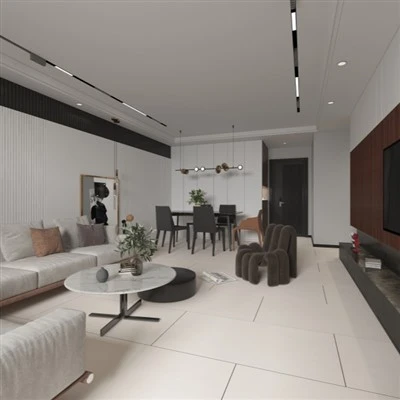
What Are Dry-Grain Tiles?
A New Dimension in Tile Surface Technology
Dry-grain tiles – as the name suggests – are tiles finished with a dry-grain surface treatment. The "dry grains" are micron-sized inorganic mineral particles applied to the tile surface through a specialised glazing process, then fired at high temperature to create a unique finish that combines three-dimensional texture, slip resistance, and exceptional wear resistance.
Unlike traditional tiles with smooth, flat surfaces, dry-grain tiles feature a refined granular feel – retaining the hardness and easy maintenance of ceramic tiles while adding natural, stone-like texture.
Core Advantages of Dry-Grain Tiles
Superior Slip Resistance
This is one of the most valued benefits of dry-grain tiles. The micro-textured surface created by the grain particles significantly increases the coefficient of friction. Even in wet conditions, dry-grain tiles deliver excellent slip resistance – making them particularly well-suited for kitchens, bathrooms, balconies, and other areas prone to moisture. For households with elderly members or young children, this feature is especially important.
Outstanding Wear Resistance
The dry-grain process substantially increases surface hardness. Fired at temperatures exceeding 1200°C, the grain layer achieves a Mohs hardness of 7 or above – far exceeding that of standard polished tiles. This means the surface resists scratches and wear even after years of heavy use, making it ideal for high-traffic areas like living rooms and hallways.
Natural Stone Texture
Dry-grain tiles can faithfully reproduce the texture and feel of natural stone – whether the ruggedness of granite, the earthiness of sandstone, or the smooth warmth of marble. More importantly, they avoid the drawbacks of natural stone: significant colour variation, potential radiation concerns, and high cost – offering exceptional value as an alternative.
Stain Resistant & Easy to Clean
Many assume that a textured surface is harder to clean – but with dry-grain tiles, the opposite is true. The grain particles are specially treated to be dense and non-absorbent, resisting dirt and stains. Daily cleaning is as simple as wiping with a damp cloth – easier than many polished surfaces.
Application Scenarios
Thanks to their unique performance advantages, dry-grain tiles are suitable for a wide range of applications:
Commercial spaces – shopping malls, hotel lobbies, restaurants, and other areas demanding high slip resistance and durability
Public facilities – hospitals, schools, subway stations, and other high-traffic environments
Residential spaces – living rooms, balconies, kitchens, bathrooms, and entryways
Outdoor areas – courtyards, patios, pool surrounds, and other spaces requiring weather resistance and anti-slip performance
Selection Tips for Dry-Grain Tiles
Check grain uniformity – High-quality dry-grain tiles have evenly distributed surface particles with no obvious clumping or bare spots.
Test slip resistance on-site – Pour water on the surface and observe how water beads spread and whether any residue remains.
Verify water absorption – Below 0.5% indicates full porcelain quality – the best grade available.
Compare colour consistency – Place multiple tiles side by side to check for uniform colour and pattern.
Choose reputable brands – Well-known manufacturers offer better quality assurance and after-sales support.
Final Word
Dry-grain tiles have broken the traditional binary choice of "either glossy or matte" – offering consumers a more textural, safer, and more durable option. As living standards rise and demand for quality increases, dry-grain tiles are steadily moving from niche specialty to mainstream preference. If you're planning a renovation, dry-grain tiles deserve a place on your shortlist – they might just surprise you.