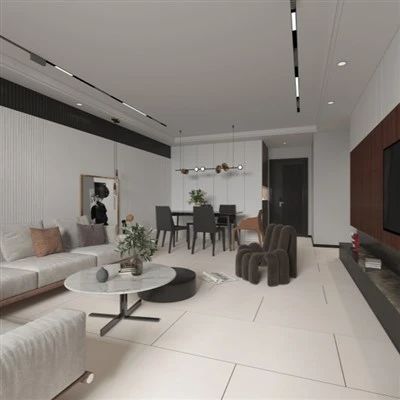
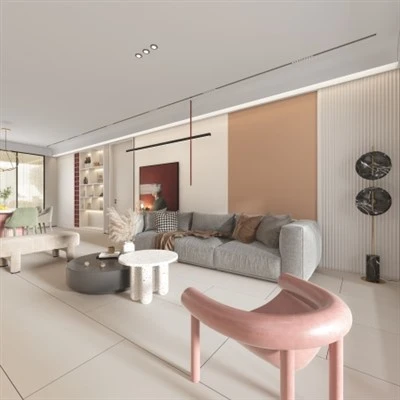
In recent years, wood-grain tiles have been favored in the domestic and foreign architectural decoration markets because they have both the natural texture of wood and the durability of ceramic tiles. As a high-end product in the ceramic tile category, the material selection of wood-grain tiles directly affects its performance and aesthetics. This article will analyze the main material composition and characteristics of wood-grain tiles from an industry perspective.
The core material of wood-grain tiles is still based on ceramics, but there are significant differences in the raw material ratio and surface treatment technology depending on the process and purpose. Traditional wood-grain tiles mostly use ordinary clay or porcelain clay as the embryo material, and form a stable structure after high-temperature firing. Among them, wood-grain tiles made of porcelain clay are more suitable for humid environments, such as bathrooms or kitchen floors, because of their higher density and lower water absorption. Wood-grain tiles with clay embryos are often used for wall decoration or dry areas because of their lighter texture and lower cost.
In recent years, with the advancement of technology, some high-end wood-grain tiles have begun to use full glaze or digital inkjet technology to restore the real texture of wood through multi-layer glazing and high-definition printing technology. This type of product usually uses high-quality porcelain clay as the embryo, and adds mineral raw materials such as quartz and feldspar to enhance hardness and wear resistance. The surface glaze layer not only improves the anti-slip performance, but also gives the wood-grain tile a richer color layer, allowing it to imitate the effects of various woods such as cherry and oak.
In addition, environmental protection has also become an important consideration in the selection of wood-grain tile materials. Some manufacturers use lead-free glazes and recyclable raw materials to reduce carbon emissions during the production process. At the same time, ingredients such as zirconium silicate added to the embryo can improve anti-fouling ability and reduce the dependence on chemical reagents for daily cleaning.
From the market trend, the material research and development of wood-grain tiles in the future will pay more attention to the balance between functionality and decoration. For example, nanotechnology can be used to enhance the self-cleaning performance of the surface, or functional embryo materials that can adjust indoor humidity can be developed. These innovations will further broaden the application scenarios of wood-grain tiles in commercial spaces and high-end residences.