The tile market in 2026 has moved far beyond the old "price and volume" competition. For B2B professionals – whether distributors or contractors – understanding the trends is the only way to stay ahead. This year, three keywords deserve your full attention.
1. Sintered Stone: From Decorative Material to Structural Material
In previous years, sintered stone was primarily used for feature walls and countertops. But in 2026, its "furniture-grade" applications are exploding.
New scenarios – sintered stone dining tables, kitchen countertops, bathroom vanities, and even stair treads. With its heat resistance, impact strength, and zero permeability, it's replacing traditional quartz and timber in many applications.
B2B opportunity – If you can offer an integrated "sintered stone + fabrication + installation" package, you can break into the high-end residential and premium build-to-order markets. The 3mm ultra-thin sintered stone, in particular, offers strong profit margins in renovation projects and wall-cladding applications.
2. Large-Format & Continuous-Vein Tiles – The "Traffic Driver" for Minimalist Aesthetics
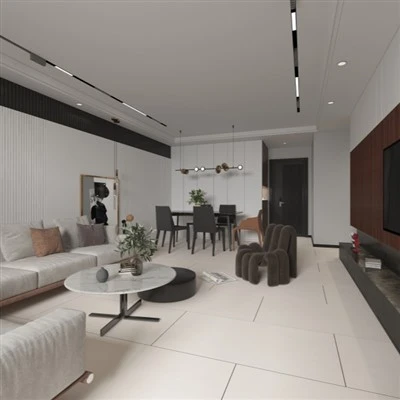
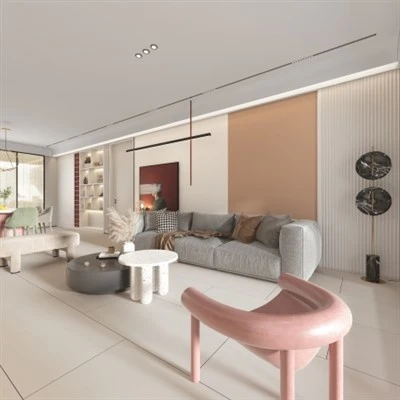
With the rise of "no-TV-feature-wall" and minimalist design trends, large-format tiles have become the new standard.
Core selling point – Sizes like 900×1800mm and 1200×2400mm, combined with continuous-vein patterns, create an "unbounded" visual effect that resonates strongly with designers and younger homeowners.
B2B strategy – As a distributor, you need to invest in professional cutting and handling equipment, and train your installation teams in large-format laying techniques. Whoever solves the "on-site installation challenge" first will capture the premium segment of the local market.
3. Functional Tiles – A Path to Genuine Differentiation
When everyone is selling the same designs, functionality becomes your competitive moat.
Heated tiles – Graphene-based self-heating tiles are gradually replacing traditional underfloor heating systems. They heat up quickly, don't add to floor height, and cost less to maintain. Particularly popular in regions without central heating – both in the north and southern cities.
Negative-ion / antibacterial tiles – In the post-pandemic era, health consciousness is at an all-time high. Tiles with formaldehyde-decomposing and antibacterial properties are highly competitive in hospitals, schools, nurseries, and premium residential projects.
Outdoor thick tiles – Used for gardens, plazas, and commercial streets, these eco-friendly paving stones are replacing natural stone at scale – thanks to their anti-slip, wear-resistant, and frost-proof performance.
Action Plan for Distributors
Optimise your product mix – Don't keep stocking just 800×800mm polished tiles. Gradually increase the share of sintered stone, large-format slabs, and functional tiles to boost average order value.
Embrace designer channels – Actively partner with local design studios by offering showroom samples and design support. Designers are the key to driving large-format and sintered stone sales.
Strengthen your service model – Shift from just "selling tiles" to providing "surface solutions." Value-added services like measuring, design, fabrication, and installation guidance are what make you irreplaceable.