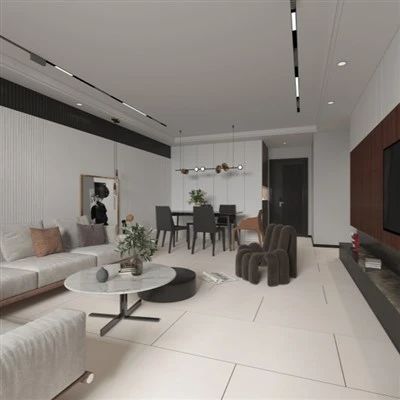
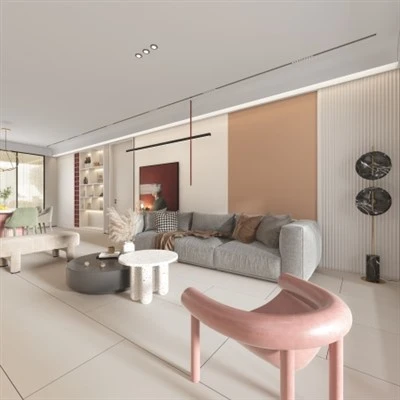
As an important part of building decoration materials, the design principle of wall tiles is not only about practicality, but also reflects the combination of aesthetics and engineering. From ancient clay tiles to modern ceramic, glass and composite wall tiles, their design has always revolved around the three cores of functionality, durability and decoration.
First of all, the design of wall tiles must meet basic functional requirements. Wall tiles need to have characteristics such as waterproof, moisture-proof, wear-resistant and easy to clean, especially in high humidity environments such as kitchens and bathrooms. These properties are particularly important. Modern wall tiles are usually glazed, which not only enhances the surface smoothness, but also effectively prevents stains from penetrating and prolongs the service life. In addition, the size and thickness of wall tiles are also accurately calculated to ensure stability and load-bearing capacity after paving.
Secondly, durability is a key consideration in wall tile design. Wall tiles need to withstand temperature changes, humidity fluctuations and daily wear and tear, so the choice of materials is crucial. Ceramic wall tiles have become the mainstream choice due to their high hardness and chemical stability, while some high-end products use natural stone or glass materials to enhance the decorative effect. During the design process, engineers will evaluate the compression, impact and weather resistance of wall tiles through simulation tests to ensure their long-term stability in different environments.
Finally, decorativeness is an important dimension of wall tile design. The color, texture and pattern of wall tiles directly affect the visual effect of the space. Modern wall tile design tends to be diversified. From the natural texture of antique tiles, to the luxurious style of marble patterns, to the modern and simple style of geometric patterns, designers use different surface treatment technologies (such as inkjet printing, underglaze color, etc.) to achieve rich decorative effects. At the same time, the splicing methods of wall tiles (such as straight paving, staggered paving, etc.) can also create a unique spatial atmosphere.
The design principle of wall tiles is the balance between functionality and aesthetics, which must not only meet the actual needs of the building, but also enhance the visual experience of the space. With the advancement of material science and manufacturing technology, future wall tile design will pay more attention to environmental protection, intelligence and personalization, bringing more possibilities to the architectural decoration industry.