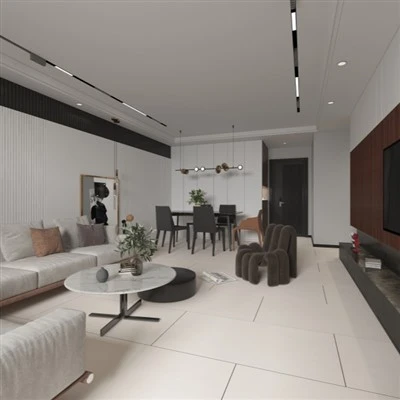
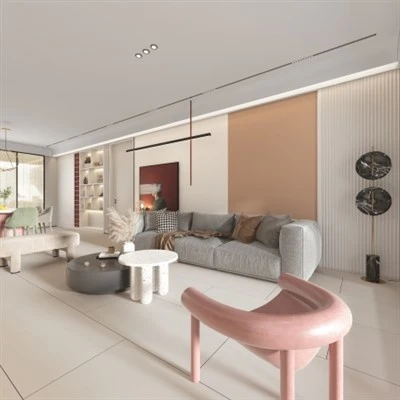
As an important part of building decoration materials, floor tiles play an indispensable role in modern architecture and interior design. It not only has practical functions, but also enhances the beauty of space and meets the needs of different scenarios. With the advancement of material science and design concepts, the application scope of floor tiles continues to expand and become an important choice in the global construction market.
First of all, the most basic function of floor tiles is to provide solid ground coverage. Compared with wooden floors or other materials, floor tiles have higher wear resistance and compression resistance, and are particularly suitable for commercial spaces with high traffic, such as shopping malls, hotels and office buildings. Its hard surface can effectively resist daily wear and tear, extend its service life and reduce maintenance costs. In addition, the anti-slip properties of floor tiles also make it an ideal choice for slippery areas such as bathrooms and kitchens to ensure the safety of users.
Secondly, floor tiles perform well in heat and sound insulation. Some special materials of floor tiles, such as ceramic or stone composite floor tiles, have good thermal stability, which can help regulate indoor temperature and reduce the energy consumption of air conditioning or heating. At the same time, the dense structure of floor tiles can effectively block the propagation of sound and improve the comfort of living or office environments. This feature makes it popular in modern green buildings and energy-saving designs.
The aesthetics of floor tiles cannot be ignored either. With the advancement of production technology, the textures, colors and styles of floor tiles are becoming increasingly rich, and they can imitate the texture of natural stone, wood and even metal to meet the decoration needs of different styles. Whether it is modern minimalist style, industrial style or classical European style, floor tiles can provide a variety of choices to help designers realize their creative ideas.
In addition, the easy cleaning and maintenance characteristics of floor tiles make them the first choice for public spaces. Its surface is smooth and flat, and it is not easy to hide dirt. Daily cleaning only requires a simple wipe to keep it as bright as new. This advantage makes it widely used in places such as hospitals and schools that require high hygiene standards.
In short, floor tiles are not only floor decoration materials, but also architectural solutions that combine functionality and aesthetics. With the continuous innovation of technology, the application prospects of floor tiles will be broader, bringing more possibilities to the global construction industry.