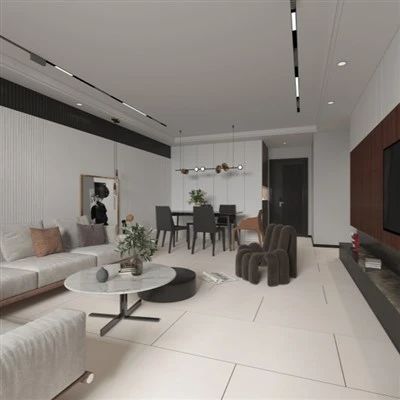
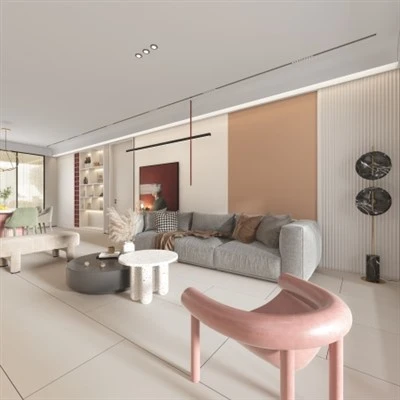
As an important part of building decoration materials, the structural design of floor tiles directly affects the performance, durability and aesthetics. With the continuous advancement of construction technology, the structure of floor tiles is also continuously optimized to meet the dual needs of modern architecture for functionality and artistry. This article will start with the basic structure of floor tiles and analyze its key components and technical characteristics.
The structure of floor tiles usually consists of three parts: surface layer, substrate layer and back pattern layer. The surface layer is the outermost part of the floor tile, which is in direct contact with the outside world. Its material and process determine the key properties of the floor tile, such as wear resistance, anti-slip and anti-fouling. Common surface treatment technologies include glazing, polishing, antique treatment, etc. Different processes give floor tiles different appearance effects and functional characteristics. For example, glazed floor tiles have a smooth surface, are easy to clean, and are suitable for interior decoration; while antique floor tiles present a natural wear effect through special processes, which is more retro and beautiful.
The substrate layer is the core part of the floor tile, which determines its strength and stability. Modern floor tiles mostly use ceramic, porcelain or stone composite substrates. Among them, porcelain floor tiles have become the first choice for high-end buildings due to their high density and low water absorption. The sintering process of the substrate layer directly affects the hardness and compressive strength of the floor tiles. The high-temperature firing process can effectively improve the durability of the floor tiles, making them suitable for commercial spaces with high traffic.
The back pattern layer is located on the back of the floor tiles. Its main function is to enhance the adhesion and stability during paving. Reasonable back pattern design can increase the contact area between the floor tiles and the adhesive material to prevent hollowing and falling off. Some high-end floor tiles will also add moisture-proof technology to the back pattern layer to further enhance their ability to adapt to humid environments.
With the popularization of the concept of green building, the structural design of floor tiles is also developing in the direction of environmental protection. For example, some floor tiles are made of recycled materials to reduce resource consumption; at the same time, surface treatment technology is also constantly innovating to reduce environmental pollution during production and use. In the future, the structural design of floor tiles will pay more attention to the balance between functionality, aesthetics and sustainability, and provide better solutions for the construction industry.