


When it comes to designing a bathroom, white tiles are a timeless and elegant choice. They not only create a clean and bright atmosphere but also offer a range of practical benefits. One such benefit that is often overlooked is the sound - absorption property of white bathroom tiles. As a white bathroom tile supplier, I have witnessed the growing interest in understanding how these tiles can contribute to a more peaceful and comfortable bathroom environment.
Basics of Sound Absorption
Sound absorption is the process by which a material reduces the intensity of sound waves that strike it. When sound waves hit a surface, they can be reflected, absorbed, or transmitted through the material. Materials with good sound - absorption properties convert the acoustic energy of the sound waves into other forms of energy, such as heat, rather than reflecting the sound back into the room.
In a bathroom, sound can come from various sources, including running water, flushing toilets, and people talking or moving around. Excessive noise can be a nuisance and may even cause stress over time. Therefore, having tiles that can absorb some of this sound can significantly improve the overall bathroom experience.
Factors Affecting the Sound - Absorption Property of White Bathroom Tiles
Material Composition
White bathroom tiles can be made from different materials, such as ceramic, porcelain, and marble. Each material has its own unique sound - absorption characteristics.
- Ceramic Tiles: These are made from clay and other natural materials that are fired at high temperatures. Ceramic tiles generally have a porous structure, which allows them to absorb some sound. The pores in the tile act as small chambers where sound waves can enter and lose energy through friction with the tile's internal surfaces.
- Porcelain Tiles: Porcelain is a type of ceramic that is more dense and less porous than regular ceramic tiles. While they may not absorb sound as well as some porous ceramic tiles, they still have some sound - absorption capabilities. Their smooth surface can also help to reduce the reflection of high - frequency sounds.
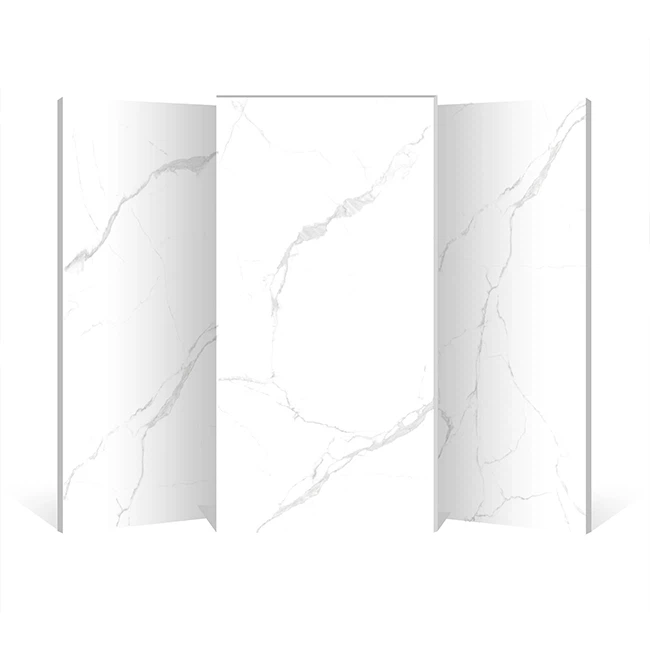
- Marble Tiles: White Marble Bathroom Floor Tile are a popular choice for bathrooms due to their luxurious appearance. Marble is a natural stone with a relatively dense structure. Although it is not as porous as ceramic, it can still absorb a certain amount of sound, especially at lower frequencies. The internal structure of marble, with its natural veins and imperfections, can help to scatter and absorb sound waves.
Tile Thickness
The thickness of the tile also plays a role in its sound - absorption ability. Thicker tiles generally have better sound - absorption properties than thinner ones. A thicker tile provides more material for the sound waves to interact with, increasing the chances of the sound being absorbed or scattered within the tile. For example, a 10 - millimeter thick tile may absorb more sound than a 6 - millimeter thick tile of the same material.
Installation Method
The way the tiles are installed can affect their sound - absorption performance. If the tiles are installed with a proper underlayment, it can enhance the overall sound - absorption of the floor or wall. An underlayment can act as an additional layer that absorbs and dampens sound waves. Additionally, the grout used between the tiles can also contribute to sound absorption. A flexible grout can help to reduce the transmission of sound vibrations between the tiles.
Measuring Sound Absorption
The sound - absorption property of materials is typically measured using a metric called the Noise Reduction Coefficient (NRC). The NRC is a number between 0 and 1, where 0 indicates that the material reflects all sound and 1 indicates that the material absorbs all sound. For white bathroom tiles, the NRC values can vary depending on the factors mentioned above.
On average, ceramic tiles may have an NRC value ranging from 0.1 to 0.3, meaning they can absorb 10% to 30% of the sound that hits them. Porcelain tiles may have slightly lower NRC values, usually around 0.05 to 0.2. Marble tiles can have an NRC value in the range of 0.1 to 0.25, depending on their thickness and internal structure.
Benefits of Sound - Absorbing White Bathroom Tiles
Enhanced Privacy
In a bathroom, privacy is often a concern. Sound - absorbing tiles can help to reduce the amount of noise that escapes from the bathroom to other parts of the house. This is especially important in shared bathrooms or in houses with thin walls. By absorbing sound, the tiles can prevent the sounds of running water or other activities from being heard outside the bathroom, providing a more private environment.
Improved Comfort
A quieter bathroom is a more comfortable place to be. When you are taking a bath or shower, the sound of the water can be relaxing, but excessive noise can be distracting. Sound - absorbing tiles can help to create a more peaceful and serene atmosphere, allowing you to fully enjoy your time in the bathroom.
Aesthetic Appeal
White bathroom tiles are known for their aesthetic appeal. They can make a bathroom look clean, bright, and spacious. Combining the beauty of white tiles with their sound - absorption properties means that you can have a bathroom that not only looks great but also functions well in terms of noise reduction.

How to Choose the Right White Bathroom Tiles for Sound Absorption
Consider Your Needs
First, think about your specific needs in terms of sound absorption. If you live in a noisy area or have a bathroom with a lot of echo, you may want to choose tiles with a higher NRC value. On the other hand, if you are more concerned about the appearance of the bathroom and only need a moderate amount of sound absorption, you can choose tiles based on their aesthetic qualities and still get some sound - absorption benefits.
Look at the Material
As mentioned earlier, different materials have different sound - absorption properties. If sound absorption is a top priority, ceramic tiles may be a good choice due to their porous nature. However, if you prefer the look of marble or porcelain, you can still find options that offer some level of sound absorption.
Check the Thickness
Thicker tiles generally absorb more sound. When selecting tiles, look for ones that are at least 8 - 10 millimeters thick if possible. This will give you better sound - absorption performance compared to thinner tiles.
Conclusion
The sound - absorption property of white bathroom tiles is an important factor to consider when designing a bathroom. As a white bathroom tile supplier, I understand the importance of providing customers with tiles that not only look great but also offer practical benefits. Whether you choose ceramic, porcelain, or White Marble Bathroom Floor Tile, there are options available to help you create a quieter and more comfortable bathroom environment.
If you are interested in learning more about our white bathroom tiles and their sound - absorption capabilities, or if you are ready to start a procurement discussion, we welcome you to reach out. We are committed to providing high - quality tiles and excellent customer service to meet your bathroom design needs.
References
- Beranek, Leo L. "Acoustics." American Institute of Physics, 1954.
- Oppenheim, Alan V., Ronald W. Schafer, and John R. Buck. "Discrete - Time Signal Processing." Prentice Hall, 1999.
- Kinsler, Lawrence E., et al. "Fundamentals of Acoustics." Wiley, 2000.


